Category

Rock

Category

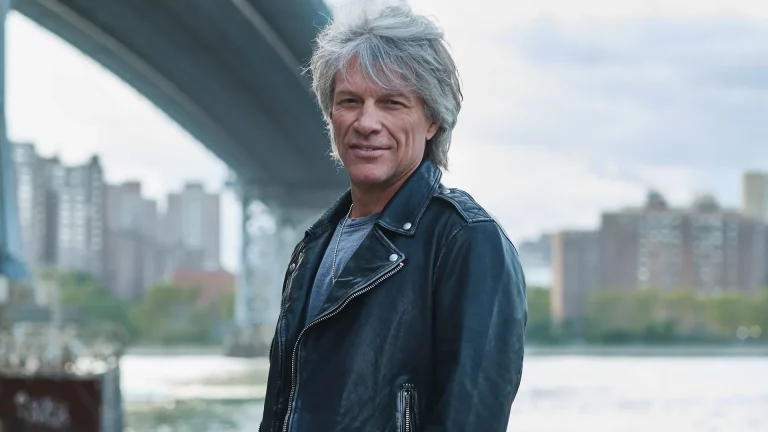
Jon Bon Jovi recently revisited one of the most uncomfortable moments of his career—being unexpectedly pulled on stage to sing his band’s legendary anthem “Livin’ on a Prayer” at a wedding.

The incident dates back to 2016, when Bon Jovi was attending a friend’s son’s wedding in Florida. Content to simply relax and celebrate, he found himself in the spotlight when the wedding band suddenly launched into a jazzy rendition of his 1986 classic. A viral video of the moment, which has now surpassed 16 million views on YouTube, captures the exact second his smile faded as singer Lourdes Valentin approached him with a microphone.

Despite his obvious reluctance, the rock star eventually gave in and joined the band on stage, offering a hesitant, jazz-tinged take on the stadium anthem that’s usually belted out to roaring crowds.

Speaking in a recent interview with Magic Radio while promoting Bon Jovi’s latest album Forever, he recalled the moment as one of the most awkward times he’s ever heard his music played.

“The first one that comes to mind, which is tragic,” he admitted, “was at a friend’s son’s wedding years ago. The band wanted me to sing, and I really didn’t want to. I told them, ‘If you’re going to play something, at least pick from these songs.’ But then the trumpet player tried to mimic the bass line of Livin’ on a Prayer—and the whole band went with it. So instead of that iconic bass line—‘boom, boom, boom’—I had one lonely trumpet trying to pull it off. It was painful. If it wasn’t my friend’s kid, I never would’ve gone along with it.”

Awkward trumpet solo aside, Bon Jovi powered through the performance. Today, though, his focus is firmly on the charts, as Forever—the band’s 16th studio album—is currently in a nail-biting race for the UK’s Number 1 spot, trailing pop star Charli XCX by just 1,300 units.

Fifteen-year-old guitar prodigy Evan Bullough left two of the biggest names in rock stunned when he showed off his skills in Tynemouth.

Armed with nothing but confidence and his guitar, Evan wowed AC/DC frontman Brian Johnson and Dire Straits legend Mark Knopfler by nailing the iconic riffs from Thunderstruck and Sultans of Swing right in front of them.

The once-in-a-lifetime encounter took place outside the Cumberland Arms, where Evan had patiently waited for three hours, hoping to catch a glimpse of his heroes. What he got instead was the chance to play for them, chat with them, and even walk away with autographs on his guitar.

“I’ve loved their music since I first picked up the guitar,” Evan shared. “At Yamaha Music School, AC/DC songs were some of the first I learned. To actually play for Brian and Mark, and to have them be so kind, was unbelievable.”

Already playing at Grade 7 level, the Yamaha student is quickly making a name for himself. His father, Scott, explained how the magical moment came about: Johnson and Knopfler were filming an interview for a Sky Arts show when word spread that they’d be at the pub. Security initially tried to keep things low-key, but they allowed Evan to wait nearby.

When the rock icons finally emerged, Johnson immediately called him over: “Howay man, fire it up and let’s hear what you’ve got.”

Evan, who had only just perfected the Sultans of Swing intro, rose to the challenge—and nailed it. Both legends cheered him on, signed his guitar, and even handed him a Dire Straits pick as a memento.

Scott admitted the only downside is that Evan now refuses to play the signed guitar for fear of smudging the autographs. But more than anything, the encounter lit an even bigger spark in the teenager.

“They made him feel so special,” Scott said. “It’s given him a huge boost to keep going with his music.”

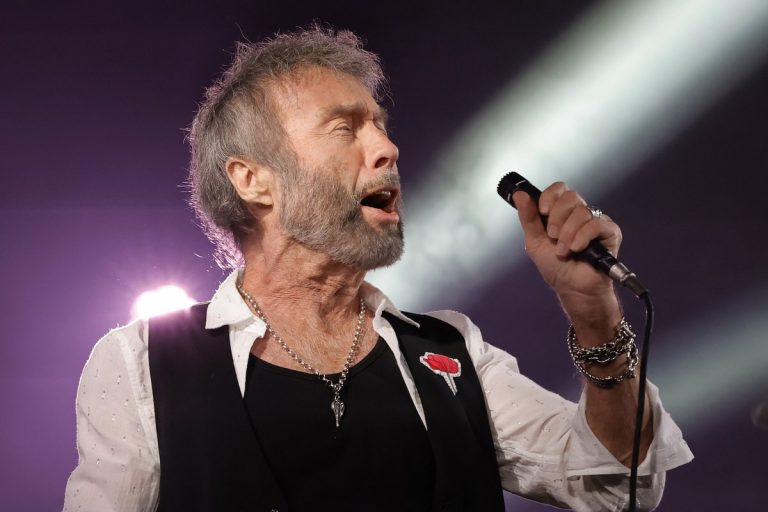
Some legends never fade — they just surprise you when you least expect it. At 75, Paul Rodgers, the powerhouse frontman of Bad Company, recently reminded the world of his timeless talent with an off-the-cuff performance that has fans buzzing with excitement.

Rodgers shared a casual video on Instagram that captured him seated at an old upright piano, dressed down in a sleeveless shirt, cap, and black pants. Without any big announcement or stage lights, he began playing the unmistakable intro to Bad Company’s iconic anthem, “Bad Company.”

The moment was raw, unpolished, and real — and that’s exactly why it resonated. His caption? Simply: “Random piano recital.” But for fans, it was anything but random. It was a reminder of why Paul Rodgers has been hailed for decades as one of rock’s greatest voices and musicians.

The reaction was instant and heartfelt. Admirers flooded the comments with love and nostalgia:

“Oh how I love that song.”

“Beautifully played, Paul!!! Love it mate.”

“Legendary sound and song!”

One fan even added a cheeky note, calling Rodgers a “talented singer, songwriter, musician and sexy Paul.” Clearly, age hasn’t dimmed the admiration fans have for him.

This moment of spontaneity comes at a perfect time. Later this year, Bad Company will finally be inducted into the Rock & Roll Hall of Fame — a long-awaited recognition for a band whose songs defined the sound of 70s arena rock. Rodgers himself described the honor as “pretty amazing and very cool,” crediting the band’s bond with their fans and the authenticity of their music.

Adding to the celebrations, October will see the release of Can’t Get Enough: A Tribute to Bad Company. The album features modern rock stars like Slash with Myles Kennedy, Joe Elliott & Phil Collen of Def Leppard, The Struts, and HARDY offering fresh takes on Bad Company classics. Rodgers himself appears on three tracks, bridging past and present in the best way possible.

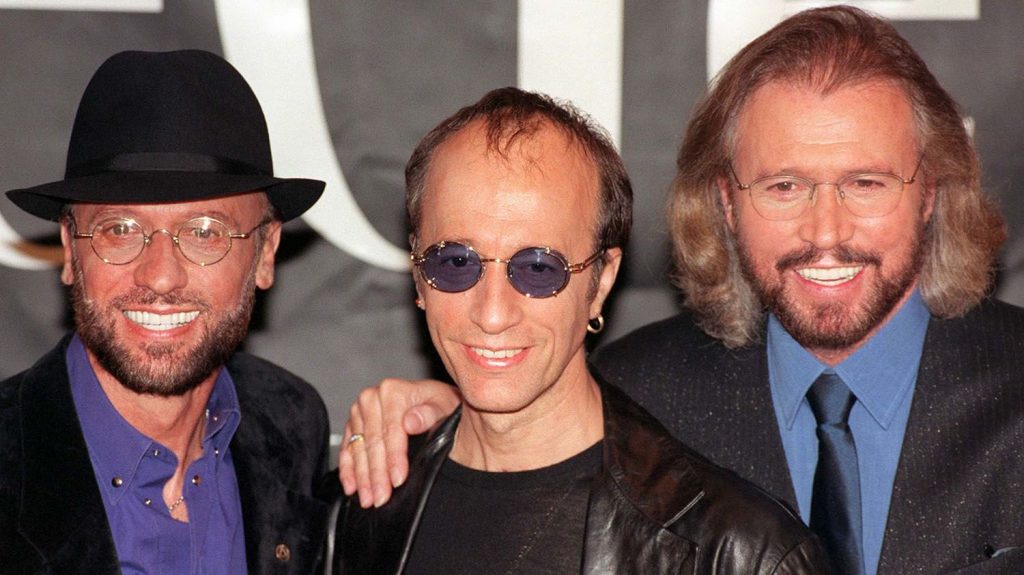
By 1987, many thought the Bee Gees had had their moment. Disco was long gone, critics were dismissive, and the charts seemed to have moved on without them. But then came You Win Again — and with it, a performance that silenced every doubt.

From the opening pulse of the beat, it was clear this was no routine comeback. Barry’s voice cut through the air like a blade, sharp and commanding. Robin and Maurice’s harmonies surged around him, equal parts strength and grace, wrapping the song in something both timeless and urgent. The audience rose instantly, caught in a storm of rhythm, emotion, and sheer defiance.

Every chorus landed like a challenge to the world: the Bee Gees weren’t a memory — they were still masters of their craft. The music didn’t just play; it thundered through the hall, vibrating in the chest of every listener. By the time the final note rang out, the crowd wasn’t just cheering — they were witnessing history being rewritten.

You Win Again wasn’t simply another hit. It was a declaration of survival, a bold rebuttal to those who had counted them out, and a reminder of the brothers’ unshakable chemistry. Across Europe, the single stormed the charts, proving that true artistry doesn’t fade with trends.

Decades later, fans still look back on that moment with awe. The passion, the precision, the fire — it wasn’t just a performance, it was a rebirth. The Bee Gees didn’t just return in 1987. They roared back, and the world couldn’t look away.

Back in 2008, Taylor Swift was still on the cusp of stardom — a teenage singer-songwriter shaking up the country charts with heartfelt lyrics and a wholesome image. Few could have predicted that within just a few short years she would transform into one of the most powerful forces in pop music.

At the time, her career was just beginning to bloom. She had one album to her name, and it wasn’t until November of that year that she released Fearless, the record that would catapult her into superstardom with instant classics like Love Story and You Belong With Me. As part of her promotional run, Swift decided to step outside her comfort zone and take part in a crossover experiment that no one saw coming.

That project was CMT Crossroads — the long-running series that paired country stars with artists from completely different genres. Over the years, it had produced unforgettable partnerships: Elton John with Ryan Adams, Reba McEntire with Kelly Clarkson, Sugarland with Bon Jovi, and Kenny Rogers with Lionel Richie.

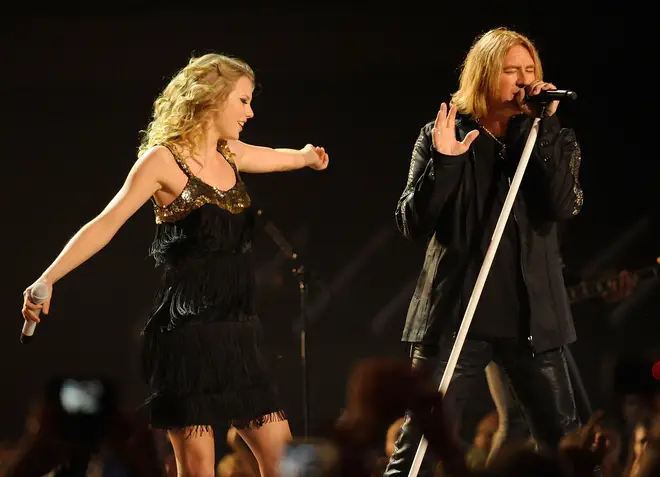
For her appearance, Taylor chose a collaboration that surprised everyone: a joint performance with British rock icons Def Leppard.

On paper, it looked like an unlikely match. But for Taylor, it was a dream fulfilled.
“Every time I watched Crossroads, I told myself, If I ever get to do one, it has to be with Def Leppard!” she said at the time. “I’ve been screaming their songs for years. To actually stand on stage with them—it’s unbelievable.”

Def Leppard’s Joe Elliott was equally excited: “How cool is this? One of country’s biggest rising stars actually wants to work with us!”

On November 7, 2008, Nashville’s Acuff Theatre became the stage for one of the most surprising collaborations in Crossroads history. The set was a two-way exchange of respect and energy. Swift delivered fiery takes on Photograph and Pour Some Sugar on Me, while Def Leppard reimagined Teardrops on My Guitar and Love Story with rock-and-roll grit.

What might have seemed like a gimmick turned into a genuinely electric performance. The chemistry between the artists was undeniable, and the night ended up symbolizing a bridge between generations — with Taylor stepping into the global spotlight she would soon command.

Years later, Joe Elliott reflected on that collaboration:
“She was already a star in her own right, but we all knew she was going to take over the world. She went all in, and she did it.”

He remembered how it all started: “Someone walked into our dressing room and said, Taylor Swift just told an interviewer that the only band she’d ever want to do Crossroads with is Def Leppard. We were like, Really? Let’s make it happen. And a couple months later, we were on stage together.”

The partnership wasn’t without its adjustments — a few lines in Pour Some Sugar on Me were changed for Taylor, and Elliott took full ownership of singing Love Story from a male perspective. “If I’m going to sing her lyrics, I’m going to commit,” he explained. “No half-measures.”

The collaboration didn’t end there. The following year, Swift and Def Leppard reunited at the 2009 CMT Awards, by which point Fearless had cemented Taylor’s status as a global superstar.

Looking back, their Crossroads concert feels like more than a one-off event. It was a symbolic passing of the torch — from the giants of arena rock to a young songwriter destined to dominate the next musical era

In the early 1960s, few voices captured the tender innocence of young love like Paul Anka’s. Among his many timeless hits, “Put Your Head On My Shoulder” remains one of the most enduring. Written and first released in 1959, the song quickly became an anthem for teenage romance, embodying the sweetness, vulnerability, and magic of that era.

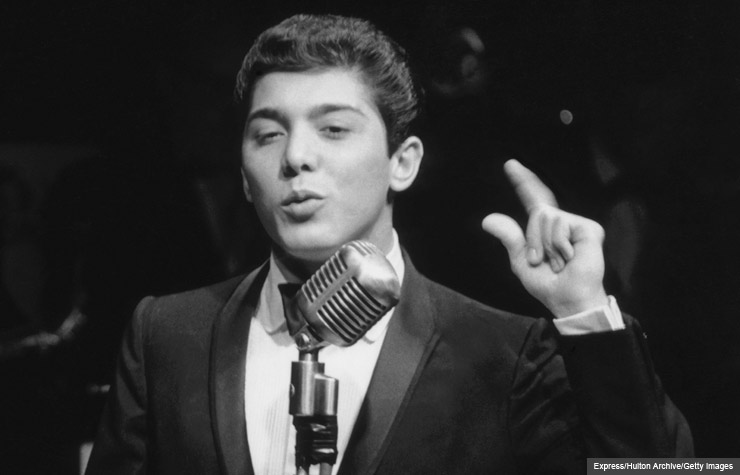
But to truly feel the depth of this classic, one only has to revisit Paul Anka’s live performance in 1962. With nothing more than his velvety voice, a graceful stage presence, and the gentle sway of the band behind him, Anka transported audiences into a moment of pure intimacy. His performance wasn’t about flashy theatrics or overwhelming arrangements—it was about connection.

The live rendition reveals something special that goes beyond the studio version: the raw sincerity in Anka’s voice. Each lyric feels personal, as though he is singing directly to someone in the crowd. The way he lingers on lines like “Hold me in your arms, baby” carries a sense of yearning and authenticity that has allowed the song to transcend generations.

By 1962, Paul Anka had already established himself as a teenage heartthrob and one of the most important singer-songwriters of his time. Songs like “Diana”, “Lonely Boy”, and “Put Your Head On My Shoulder” didn’t just climb the charts—they helped define the romantic soundtrack of the late ’50s and early ’60s. Watching him perform this song live gives us a glimpse into why he was so adored: a mixture of charm, vulnerability, and undeniable talent.

Even today, over six decades later, “Put Your Head On My Shoulder” continues to resonate. It’s been rediscovered by younger audiences through films, TV shows, and even viral moments on social media. Yet nothing captures its original magic quite like Paul Anka’s 1962 performance—a timeless reminder that music, at its best, speaks straight to the heart.

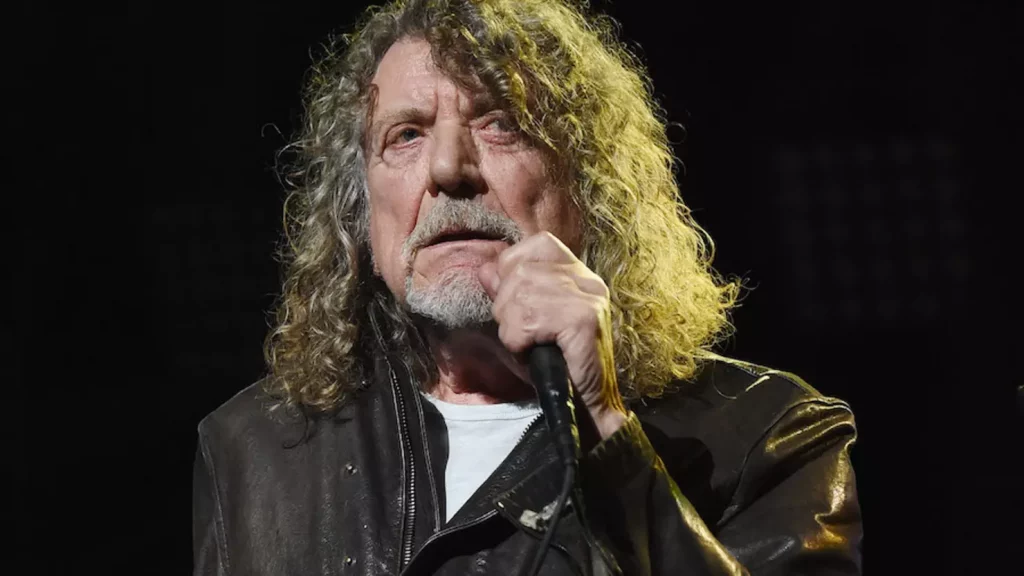
When Robert Plant takes the stage, time seems to fold in on itself. Decades may have passed since his days as the golden-haired frontman of Led Zeppelin, but his voice, presence, and spirit continue to bridge generations. One of the most moving moments in his performances with The Sensational Space Shifters is his rendition of “Going to California.”

Originally appearing on Led Zeppelin IV in 1971, the song was a tender departure from the band’s thunderous hard rock anthems. Inspired by dreams of escape, longing, and the mystical allure of California in the early 70s, it carried a fragile beauty that still resonates today. With Plant revisiting the track alongside The Sensational Space Shifters, it becomes not just a nostalgic trip, but a living, breathing experience that feels as relevant now as it did half a century ago.

What makes these live versions so magical is the way Plant allows the song to evolve. His voice, weathered with age but rich with character, brings new emotional weight to the lyrics. Instead of chasing the ethereal high notes of his youth, Plant leans into vulnerability and wisdom, letting silence and space speak as loudly as the words. Backed by the multi-instrumental brilliance of the Space Shifters, the song takes on fresh textures—blending folk, blues, and world music influences that frame Plant’s voice in an entirely new light.

“Going to California” has always been about searching—about yearning for something just beyond reach. When Plant performs it today, it feels like both a reflection and a confession: the journey of a man who has lived through the storms of fame, love, loss, and rebirth, and still finds beauty in the act of longing.

For fans, hearing Robert Plant perform this classic is more than just nostalgia—it’s a reminder of music’s timeless power. It shows how songs can grow alongside the artists who created them, taking on deeper meaning as years pass. And with Plant and The Sensational Space Shifters, “Going to California” remains not just a song, but a journey that continues to inspire, generation after generation.

On Thursday, July 25, Madison Square Garden witnessed the close of a remarkable chapter in music history. Billy Joel struck the final note of his decade-long residency at the iconic venue — a run that not only cemented his place as one of the Garden’s defining artists, but also marked his 150th career performance there, a milestone unmatched by anyone else.

The evening wasn’t just historic; it was deeply personal. In a surprise moment orchestrated by family friend Jimmy Fallon, Joel’s daughters joined him on stage to unveil a commemorative banner celebrating his record-breaking achievement. The proud father’s smile said it all as eight-year-old Della sang and twirled beside him, her voice carrying through the arena while Joel accompanied her on piano.

Meanwhile, six-year-old Remy perched on the edge of her father’s piano, dressed in a matching burgundy outfit like her sister, taking in every note from perhaps the best seat in the house.

Fallon himself had opened the show with a spirited rendition of Miami 2017 (Seen the Lights Go Out on Broadway), but returned for the banner reveal midway through the fifth song, Vienna. Yet the night’s most touching moment came unscripted. During My Life, as Joel played and sang, Della hopped down from the piano to whisper something to her dad, unfazed by the roaring crowd. Soon after, she stood confidently before the rotating piano, clapping, mouthing lyrics, and keeping time with her feet — much to the delight of the audience, whose cheers filled the arena.

Joel, who shares Della and Remy with wife Alexis Roderick, married in 2015, was also supported in spirit by his eldest daughter Alexa Ray Joel, 36, from his marriage to Christie Brinkley.

The setlist was a career-spanning journey, filled with fan favorites such as Pressure, Allentown, Only the Good Die Young, Piano Man, Scenes from an Italian Restaurant, It’s Still Rock and Roll to Me, and Big Shot. The night even included surprises, like a show-stopping duet with Guns N’ Roses frontman Axl Rose on Paul McCartney & Wings’ Live and Let Die, followed by You May Be Right.

As the final chords rang out, it wasn’t just the end of a concert — it was the closing of a legacy at Madison Square Garden. For ten years, Billy Joel turned the arena into his own musical home, and on this night, he passed the torch with a song, a smile, and the love of family beside him.

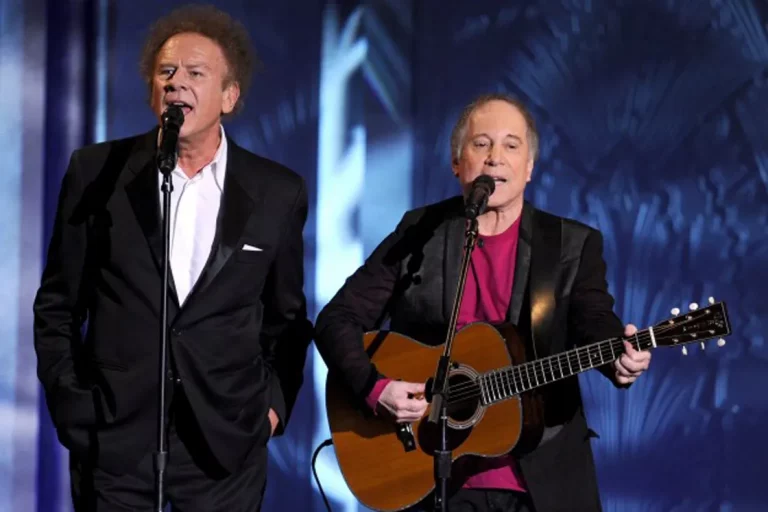
At first, the audience didn’t know what they were seeing. A murmur rippled through the park as eyes shifted toward the shadows near the edge of the stage. There, illuminated softly by the lights, stood a figure almost mythic in his absence: Art Garfunkel — the voice once inseparable from Paul Simon’s, yet missing from it for decades.

Theirs was a rift written into music history. Creative clashes, harsh words, years of silence that seemed louder than any harmony they’d ever sung. Fans had long abandoned the dream of hearing them together again. And yet, in the middle of a song about silence, Paul Simon lifted his head and called out Art’s name.

The crowd erupted — a mix of cheers, gasps, and stunned stillness. Garfunkel, older now, his features worn with time, slowly rose to his feet. Paul reached out a hand, tentative, almost fragile, as if unsure it would be met. Art paused, his eyes reflecting both hesitation and memory, before stepping forward to the stage.

No speeches were made. No apologies offered. Just two men, bound by something greater than the grudges that had kept them apart. Paul’s guitar carried a gentle rhythm. Art leaned close. And together — voices weathered by years, imperfect but unmistakable — they gave the world one more verse of The Sound of Silence.

It wasn’t polished. It wasn’t planned. But it was real — painfully, beautifully real. Tears rolled freely in the crowd. Strangers clung to one another, united by the weight of the moment, as if steadying themselves against the tide of history unfolding before them.

When the final note dissolved into the night, there were no encores, no grand curtain call. Garfunkel gripped Simon’s hand, whispered words too soft for the microphones, and quietly slipped back into the audience. Paul remained onstage, motionless, his guitar hanging silent at his side.

The hush that followed wasn’t empty. It carried everything — regret, forgiveness, shared memories, and the enduring truth of their music. Central Park was no longer just a concert stage; it had become the place where an unwritten chapter finally found its ending.

And in that fleeting reunion, Paul and Art reminded the world of what their song had always meant: silence is heavy, but sometimes, only a song can lift it.

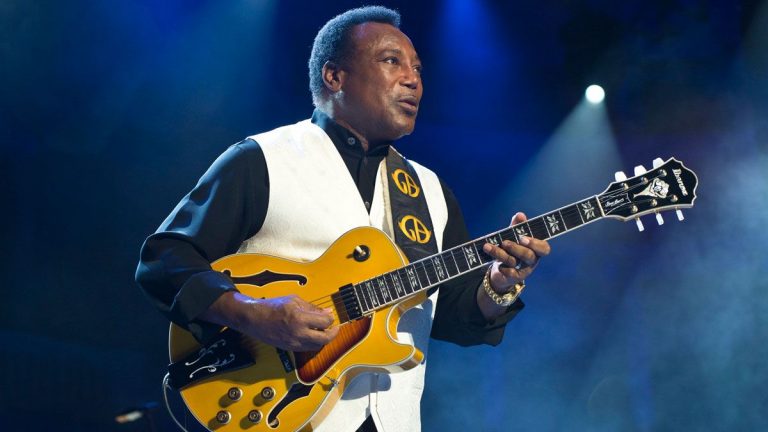
The summer of 1992 was in full bloom when the Montreux Jazz Festival lit up the shores of Lake Geneva. The air pulsed with anticipation, the crowd eager to witness George Benson — the virtuoso whose seamless marriage of jazz, soul, and pop had made him a global icon. His performance began with fire and finesse, until the unthinkable happened.

Midway through On Broadway, Benson’s hands faltered. His guitar slipped into silence. For a moment he stared out at the sea of faces, thousands waiting, watching. Then, without a word, he lowered his instrument, turned his back on the stage, and walked away. The band stumbled on for a few measures before collapsing into confusion. That night became legend — Montreux was the festival Benson never returned to.

For years, fans speculated. Was it exhaustion? A collapse of spirit? A hidden illness? Benson himself never gave an explanation. He declined every invitation back, leaving the memory of Montreux ’92 as an open wound, a question mark carved into the story of a master musician.

Three decades later, the festival prepared to celebrate its 60th anniversary, promising surprises and reunions. Among the lineup, a cryptic note appeared: “Special Guest.” Whispers spread across town. Could it be? Most dismissed the idea outright — George Benson was 82 now, his touring days long behind him. Surely Montreux would remain unfinished business.

But when the lights dimmed on Saturday night and the familiar groove of Give Me the Night floated across the lake, a lone silhouette appeared at the edge of the stage. The audience froze — then erupted in disbelief. George Benson was back, guitar in hand, eyes shining with something between sorrow and resolve.

He spoke just one line:
“Thirty years ago, I left you without a song… tonight I’ve come to finish it.”

What followed was not the flawless Benson of old. His fingers moved more slowly, the dazzling runs tempered by age. But the magic was intact — that warm guitar tone, that golden voice, the effortless scat-singing echoing each phrase. When he returned to On Broadway, the very song he once abandoned, the crowd carried the chorus for him. Voices rose in unison, strangers embracing, tears streaming freely. It was not just music; it was healing.

Backstage, festival director Mathieu Jaton admitted he never thought it possible. “George told me, ‘I took something from Montreux that night, and I had to give it back,’” Jaton revealed. “This wasn’t about a comeback. It was about making peace.”

When Benson finally bowed, supported gently by his son, the audience remained standing in silence. No encore was called for — none was needed. The ghost of 1992 had been laid to rest. After thirty years, Montreux had its song again.