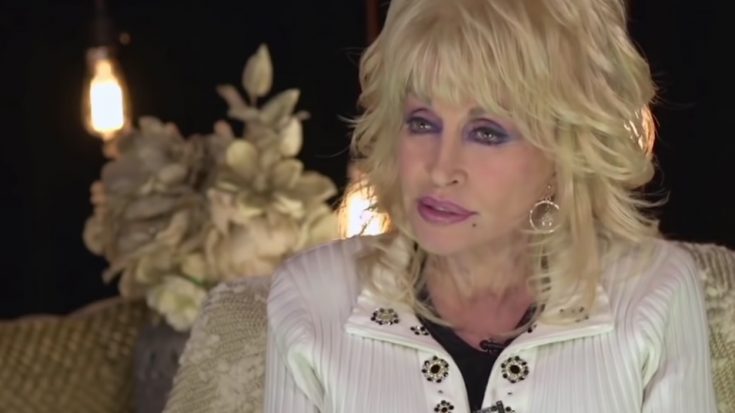
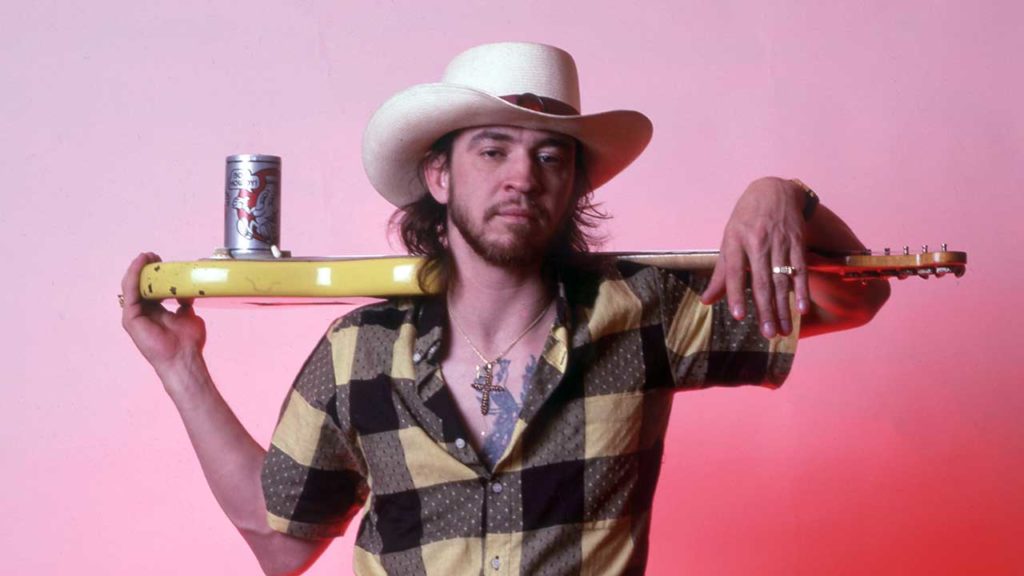
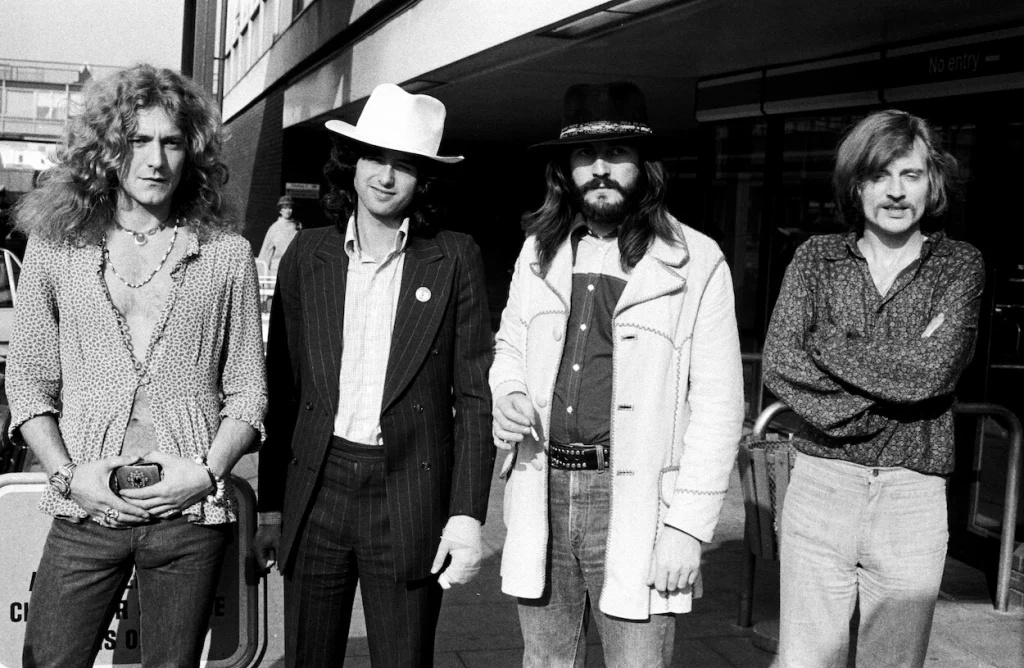
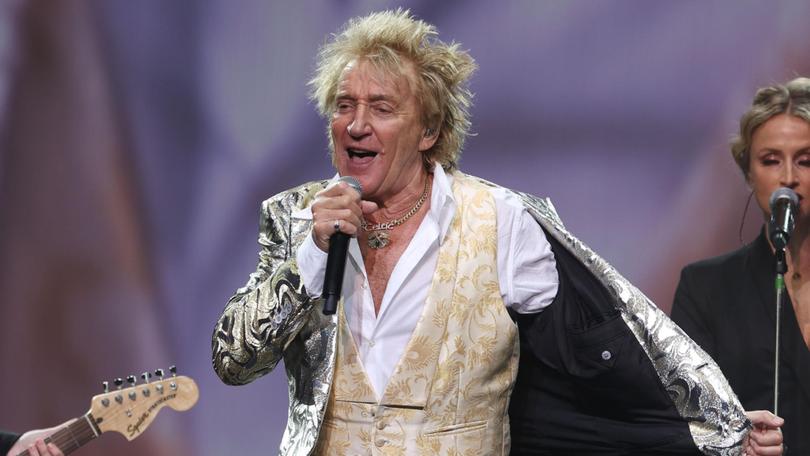
When Dolly Parton teamed up with Pentatonix to reinvent “Jolene,” a country classic suddenly found a whole new sound. Dolly’s unmistakable voice blended with the group’s intricate harmonies, vocal percussion, deep bass, and beatboxing, turning the familiar heartbreak anthem into something fresh and surprisingly powerful.
Originally written and recorded by Dolly in 1973, “Jolene” became a No. 1 country hit the following year. More than four decades later, Pentatonix gave the song a modern a cappella makeover without losing the emotion and storytelling that made the original timeless.
Released in 2016 through Cracker Barrel’s Spotlight Music program, the collaboration quickly became a viral favorite, eventually collecting tens of millions of YouTube views. It also reached No. 18 on Billboard’s Hot Country Songs chart.
The biggest recognition came at the 2017 Grammy Awards, where Dolly Parton and Pentatonix won Best Country Duo/Group Performance. Their version of “Jolene” became more than a cover—it was a meeting of generations that introduced one of country music’s most enduring songs to a new audience.
Some songs are so closely associated with their creators that covering them feels almost dangerous.
“Voodoo Child (Slight Return)” was one of those songs.
But in 1989, in Austin, Texas, Stevie Ray Vaughan and Double Trouble took on Jimi Hendrix’s legendary blues-rock storm—and instead of trying to reproduce Hendrix, Vaughan turned it into something unmistakably his own.
Hendrix had been Stevie’s hero. His music was one of the reasons Vaughan picked up a Stratocaster in the first place. So when Stevie played “Voodoo Child,” he wasn’t simply performing a famous song.
He was answering his idol.
The difference was in the way he played it.
There was no attempt to sound exactly like Hendrix. Vaughan attacked the song with the vocabulary of Texas blues—thick guitar tone, explosive bends, vicious vibrato and an almost physical intensity. Hendrix’s psychedelic fire was still there, but Stevie pushed it through his own musical identity.
The result felt less like a cover and more like a conversation between two generations of guitar players.
And Vaughan had plenty to say.
By the late 1980s, the blues was hardly the dominant force in popular music. The genre that had influenced generations of rock musicians was increasingly being treated as something from another era.
Then Stevie Ray Vaughan arrived.
He absorbed the lessons of blues giants such as Muddy Waters, Albert King and Otis Rush, mixed them with the explosive spirit of Hendrix, and delivered the music with a ferocity that made the electric guitar feel dangerous again.
He didn’t simply preserve the blues.
He made it feel alive.
That is what makes the 1989 footage so powerful today.
Knowing what happened afterward adds an almost unbearable layer to every note.
Just one year later, Stevie Ray Vaughan would be gone.
On August 27, 1990, after performing alongside Eric Clapton, Buddy Guy and Robert Cray, Vaughan boarded a helicopter following the concert. The helicopter crashed shortly after takeoff, killing Vaughan and everyone else aboard.
He was only 35 years old.
By then, Vaughan had fought his way through serious addiction and was entering one of the strongest creative periods of his career. His playing had matured, his confidence was enormous, and the future seemed wide open.
There was no indication that his life was about to end.
So when you watch Stevie Ray Vaughan tearing through “Voodoo Child” in 1989, you’re seeing something more than an extraordinary guitarist paying tribute to his hero.
You’re watching an artist at full power.
A man who took inspiration from Hendrix but refused to live in his shadow.
A blues guitarist who helped pull an old sound into a new generation.
And a musician who had no idea that the clock was already running out.
Hendrix created the storm. Stevie Ray Vaughan learned from it—and then created his own.
When Prince and Beyoncé opened the 46th Annual GRAMMY Awards together, the performance instantly became one of the most memorable collaborations in the ceremony’s history.
Prince arrived dressed in purple, surrounded by the unmistakable aura that had made him one of the most influential performers of his generation. Beyoncé, then just 22 and riding the enormous success of her first solo album, Dangerously in Love, stood beside him at a pivotal moment in her career.
The contrast was part of the magic.
Prince represented decades of innovation, controversy, musicianship and stagecraft. Beyoncé represented a new generation of pop and R&B, already proving that she could command a stage on her own.
But that night, neither seemed interested in playing it safe.
The performance opened with Prince performing “Purple Rain,” one of the defining songs of his career. Then Beyoncé joined him, and the energy changed immediately.
Together, they moved through a rapid-fire medley featuring “Purple Rain,” “Baby I’m a Star,” “Crazy in Love,” and “Let’s Go Crazy.” Beyoncé brought her own 2003 smash into the mix, while Prince remained firmly in control of the guitar and the stage.
It was an unusual pairing—but somehow, it worked.
Beyoncé later admitted that performing with Prince was an overwhelming experience. She had admired him, and the opportunity to share the stage with one of her idols left her nervous and starstruck.
That makes the performance even more fascinating in retrospect.
Beyoncé wasn’t yet the global superstar she would eventually become. Her solo career was still in its early stages. Dangerously in Love had been released only months earlier, and she was stepping into a new chapter after years with Destiny’s Child.
Prince, meanwhile, had already spent decades redefining what a pop superstar could be.
Yet when the music started, the difference in experience seemed to disappear.
There was no sense that Beyoncé was simply standing beside a legend.
She held her own.
The two performers fed off each other’s energy, moving between Prince’s iconic catalog and Beyoncé’s explosive new hit. Contemporary accounts described the pairing as electric, while the GRAMMYs themselves later looked back on it as one of Prince’s great show-stopping moments.
And Beyoncé’s night was only beginning.
After opening the ceremony with Prince, she went on to have one of the biggest nights of her young career. Her debut solo album earned multiple awards, and she ultimately took home five GRAMMYs, including Best Contemporary R&B Album and Best Female R&B Vocal Performance.
Looking back, the performance feels almost symbolic.
Prince was one of the defining artists of his generation.
Beyoncé was on her way to becoming one of hers.
For a few unforgettable minutes in 2004, their paths crossed on the GRAMMY stage—and the result was a performance that still feels larger than life.
It wasn’t simply Prince performing with Beyoncé.
It was a musical legend sharing the spotlight with a future legend.
In a touching tribute to Dolly Parton, the King’s Guard stepped away from its usual ceremonial repertoire and performed a special rendition of “9 to 5” outside Buckingham Palace.
The unexpected performance turned one of Dolly’s most recognizable songs into a moment of remembrance, bringing her music into one of Britain’s most iconic locations.
The Royal Family shared the tribute online, remembering Dolly not only as a legendary singer and songwriter, but as someone whose generosity reached far beyond music.
https://www.instagram.com/reels/DcgHTbPsUH1/
They specifically highlighted her Imagination Library, the remarkable literacy program that has provided free books to millions of children around the world.
For generations, Dolly’s songs have been about ordinary people, hard work, dreams, heartbreak and hope. But her legacy extends far beyond the records she sold or the stages she conquered.
She used her success to give children books, support communities in crisis and create opportunities for people she might never meet.
And now, even outside Buckingham Palace, her music is being used to say goodbye.
https://www.instagram.com/reels/DcgHTbPsUH1/
As the Royal Family put it:
“Remembering the late, great Dolly, who brought joy, comfort and inspiration to so many.”
From Tennessee to London, Dolly Parton’s voice crossed every border.
And on this day, the unmistakable sound of “9 to 5” echoed outside Buckingham Palace — not as a celebration of work, but as a celebration of a woman whose work brought joy to millions.
Imagine hearing a Led Zeppelin classic—but instead of thunderous hard rock, it’s being played with a reggae groove, while an Elvis Presley impersonator is singing the lyrics.
That bizarre combination was the idea behind Dread Zeppelin, an American band formed in Pasadena, California, in 1989.
At the center of the group was vocalist Tortelvis, an Elvis impersonator whose larger-than-life stage presence became just as important to the band’s identity as the music itself. Around him, guitarist Gary Griffin, bassist Bob Knickle, and drummer Ed Zeppelin created a sound nobody could have mistaken for an ordinary tribute act.
Their debut album, Un-Led-Ed, arrived in 1990 and immediately revealed the concept: Led Zeppelin songs transformed through reggae rhythms and Elvis-style vocals. Tracks such as “Heartbreaker,” “Black Dog,” and “Whole Lotta Love” were given completely unexpected arrangements.
What started as a joke could easily have become a one-album novelty. Instead, Dread Zeppelin built a devoted following and continued releasing music, including 5,000,000, Jah Paul Jo, and It’s Not Unusual.
Even more remarkable was the reaction from members of Led Zeppelin themselves. Rather than dismissing the bizarre tribute, Robert Plant reportedly enjoyed the band’s creativity, while Jimmy Page was also said to have praised them.
That’s what makes Dread Zeppelin so unusual. They didn’t simply copy Led Zeppelin—they completely reinvented the songs.
More than three decades later, the band remains one of rock music’s strangest and most entertaining tribute acts: Led Zeppelin, reggae, and Elvis Presley rolled into one unforgettable experience.
Some songs are so emotionally recognizable that hearing them performed in a different style can feel like discovering them all over again. Bonnie Tyler’s “It’s a Heartache” is one of those songs. Originally released in 1977 and becoming a major international hit in 1978, the heartbreak anthem was defined by Tyler’s gritty, unmistakable voice and the raw emotion she brought to every line. Decades later, Rod Stewart and Michael Bublé gave the song a completely different personality.
Their version appeared on Rod Stewart’s 2006 album Still the Same… Great Rock Classics of Our Time, a collection that found the legendary singer revisiting some of the classic songs that had influenced his musical journey. Among the album’s familiar rock and pop standards, “It’s a Heartache” stood out as an especially interesting choice because it allowed Stewart to revisit a song strongly associated with another distinctive voice.
The addition of Michael Bublé made the recording even more intriguing. By the mid-2000s, Bublé had established himself as one of the leading modern interpreters of traditional pop and jazz standards. His smooth delivery, relaxed phrasing and classic crooner style seemed almost tailor-made for a collaboration with Stewart, whose career had always moved comfortably between rock, pop, soul and traditional standards.
Instead of attempting to recreate Bonnie Tyler’s original performance, Stewart and Bublé approached the song from a more polished and sophisticated angle. The result feels less like a dramatic rock ballad and more like an elegant late-night performance. Bublé’s velvety tone brings warmth to the melody, while Stewart’s instantly recognizable raspy voice adds character and emotional weight.
That contrast between their voices is arguably the most fascinating part of the recording. Bublé represents a newer generation of classic-style singers, while Stewart carries decades of rock-and-roll history in his voice. Their vocal personalities are completely different, yet they complement one another remarkably well.
The arrangement also helps transform the song. “It’s a Heartache” was originally built around the emotional directness of Tyler’s performance, but Stewart and Bublé give it a smoother, more restrained atmosphere. The song still carries its familiar sense of heartbreak, but the presentation feels more mature and intimate.
For listeners familiar with Tyler’s original, the contrast is especially noticeable. Her version has an unmistakable late-1970s energy, driven by her powerful delivery and emotional intensity. Stewart and Bublé, meanwhile, seem less interested in raw vocal force and more focused on phrasing, chemistry and atmosphere.
There is also something fitting about Stewart recording the song. Throughout his career, he has demonstrated an unusual ability to move between musical worlds. From his early rock work to soul-inspired recordings and later standards, Stewart has repeatedly shown that his voice can give familiar material a distinctive identity.
Bublé brings another layer to that musical tradition. His career has been built largely around making older styles feel contemporary without stripping away their original character. His presence alongside Stewart creates a bridge between generations of popular music.
What makes their “It’s a Heartache” memorable isn’t simply the fact that two famous singers performed it together. It is the way their contrasting styles reshape the emotional character of the song. The heartbreak remains, but the mood changes—from raw and fiery to smooth, polished and almost lounge-like.
Ultimately, the recording is a reminder that great songs are remarkably adaptable. A melody written decades earlier can sound completely different when placed in the hands of new performers, yet still retain the emotional core that made it memorable in the first place.
Bonnie Tyler gave “It’s a Heartache” its original identity. Rod Stewart and Michael Bublé offered another interpretation—one built on elegance, vocal contrast and timeless crooner charm. More than simply revisiting an old hit, their collaboration demonstrates how two distinctive voices can breathe new life into a familiar classic.
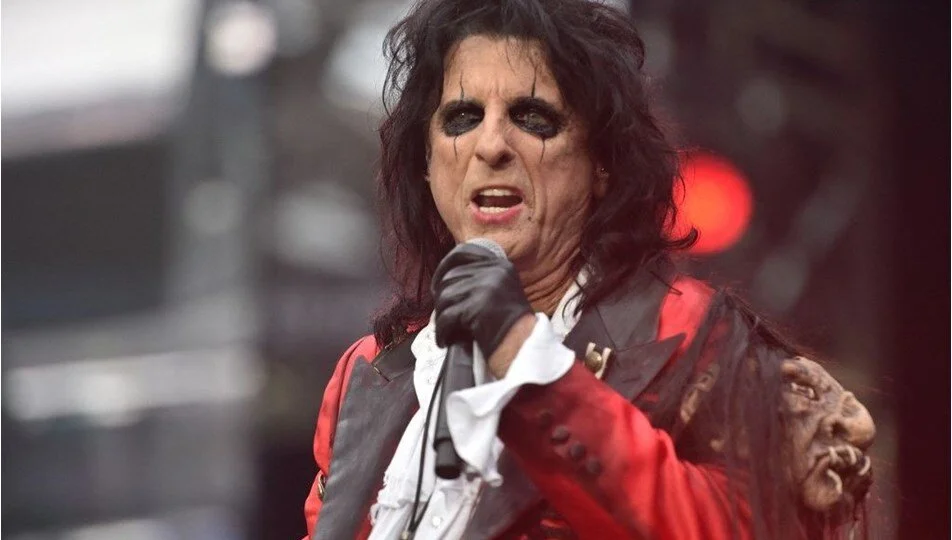
Few rock songs capture the perfect blend of theatrical spectacle and hard-rock energy quite like “Poison.” When Alice Cooper performs the song live, it becomes much more than a concert performance—it transforms into a full-scale rock production where music, storytelling, and stagecraft collide. Whether you’ve followed Cooper since the early 1970s or discovered him through this enduring hit, his live rendition of “Poison” proves why he remains one of the greatest showmen in rock history.
The performance begins with a dramatic introduction that immediately sets the mood. Dark lighting, ominous sound effects, and an atmosphere of suspense build anticipation before the familiar opening riff finally explodes through the speakers. The audience knows exactly what’s coming, and the excitement is unmistakable. It’s a masterclass in how to create tension before delivering one of rock’s most recognizable anthems.
Released in 1989 as the lead single from the album Trash, “Poison” marked one of the biggest comebacks of Alice Cooper’s career. After years of changing musical trends, the song reintroduced Cooper to a new generation of fans while reminding longtime listeners why he had become a rock icon in the first place. Written by Desmond Child, John McCurry, and Alice Cooper, the track combined catchy melodies, powerful guitar riffs, and a memorable chorus that quickly became a staple of rock radio around the world.
Live, however, the song takes on an entirely different dimension. Alice Cooper doesn’t simply sing it—he performs it with the theatrical flair that has defined his career for more than five decades. His commanding stage presence, expressive delivery, and signature dark charisma turn every lyric into part of a larger story. Few artists can captivate an audience so completely before even reaching the first verse.
One of the most remarkable aspects of Cooper’s live performances is his ability to balance spectacle with musicianship. While the stage often features elaborate lighting, dramatic costumes, and horror-inspired visuals, the music never takes a back seat. His band delivers the song with precision and intensity, recreating every iconic riff and soaring chorus while injecting fresh energy into the performance. The guitar solos are sharp, the rhythm section drives relentlessly, and every musician contributes to the song’s explosive impact.
The audience plays an equally important role. From the opening notes, thousands of fans sing along, creating a powerful connection between performer and crowd. When the chorus arrives, the venue transforms into one giant choir, with voices echoing every word. It’s a reminder that “Poison” has become more than just a hit single—it’s a rock anthem that continues to unite generations of fans.
Alice Cooper’s influence on rock music extends far beyond his own catalog. Often referred to as the “Godfather of Shock Rock,” he revolutionized live concerts by combining music with theatrical storytelling, inspiring countless artists including KISS, Marilyn Manson, Rob Zombie, Slipknot, and many others. His willingness to push creative boundaries changed the way audiences experienced live rock performances forever.
Yet despite all the elaborate visuals and stage effects, “Poison” remains the emotional centerpiece of many Alice Cooper concerts. Its infectious melody, unforgettable chorus, and emotional tension continue to resonate with audiences more than three decades after its release. Every live performance reminds fans why the song has endured while so many others from its era have faded away.
Watching Alice Cooper perform “Poison” is witnessing a master entertainer at work. The dramatic introduction, the explosive instrumentation, and Cooper’s commanding presence combine to create an unforgettable experience that perfectly captures the spirit of classic rock. It’s proof that true legends don’t simply perform songs—they create moments that live on long after the final note has faded.
More than 35 years after its release, “Poison” remains one of rock’s defining anthems, and Alice Cooper continues to prove that few performers can match his unique blend of theatrical brilliance, timeless music, and electrifying live energy.
Some songs are timeless. Others become legendary the moment they’re performed live. The Alan Parsons Symphonic Project’s breathtaking rendition of “Sirius” and “Eye in the Sky” in Colombia is one of those unforgettable musical experiences that reminds us why Alan Parsons remains one of the greatest visionaries in rock history.
From the very first notes of “Sirius,” the atmosphere is electric. The iconic instrumental, recognized around the world as one of the most powerful arena introductions ever recorded, slowly builds with cinematic intensity. As the orchestra joins the band, the familiar melody takes on an entirely new dimension. Every string, brass section, and percussion hit adds incredible depth, transforming the classic into something even more majestic than the original studio recording.
Then comes the seamless transition into “Eye in the Sky,” one of the defining songs of the 1980s. The audience erupts as the unmistakable opening chords fill the venue. The lead vocals are delivered with remarkable precision, staying true to the spirit of the original while bringing fresh emotion to the performance. Backed by a full symphony, every lyric feels larger, richer, and more powerful.
Originally released in 1982 on the album Eye in the Sky, the song became one of The Alan Parsons Project’s biggest international hits. Written by Alan Parsons and Eric Woolfson, it combines thoughtful lyrics with unforgettable melodies, creating a track that has stood the test of time for more than four decades. Its themes of observation, trust, and human nature continue to resonate with listeners across generations.
What makes this Colombian performance so extraordinary is the way rock and classical music blend effortlessly together. The orchestra never overshadows the band—instead, it enhances every moment. The soaring strings, dramatic brass arrangements, and subtle orchestral textures elevate the performance into something that feels more like a film score than a traditional rock concert.
The Colombian audience plays a huge role in the magic as well. From the opening moments of “Sirius” to the final chorus of “Eye in the Sky,” thousands of fans sing along, creating an atmosphere filled with excitement and appreciation. Their enthusiasm is contagious, turning the concert into a celebration of timeless music rather than simply another live performance.
Alan Parsons has long been celebrated not only as a musician but also as one of the greatest producers and audio engineers in modern music. Before forming The Alan Parsons Project, he worked on Pink Floyd’s groundbreaking The Dark Side of the Moon and several iconic albums by other legendary artists. That dedication to sonic perfection is evident throughout this performance, where every instrument and every vocal harmony is crystal clear.
One of the most impressive aspects of the Symphonic Project is its ability to breathe new life into beloved classics without losing their original identity. Instead of reinventing the songs completely, the orchestra amplifies their emotional impact, allowing longtime fans to hear familiar favorites in a fresh and unforgettable way.
Whether you’ve loved Alan Parsons for decades or are discovering his music for the first time, this performance is a perfect introduction to his remarkable legacy. It showcases the brilliance of his songwriting, the elegance of his arrangements, and the enduring power of music performed at the highest level.
More than forty years after “Eye in the Sky” first captivated listeners, this spectacular live performance proves that truly great music never fades. With the grandeur of a symphony orchestra, an outstanding band, and an audience completely immersed in every note, The Alan Parsons Symphonic Project’s “Sirius” / “Eye in the Sky” stands as one of the finest live interpretations of a rock classic you’ll ever witness.
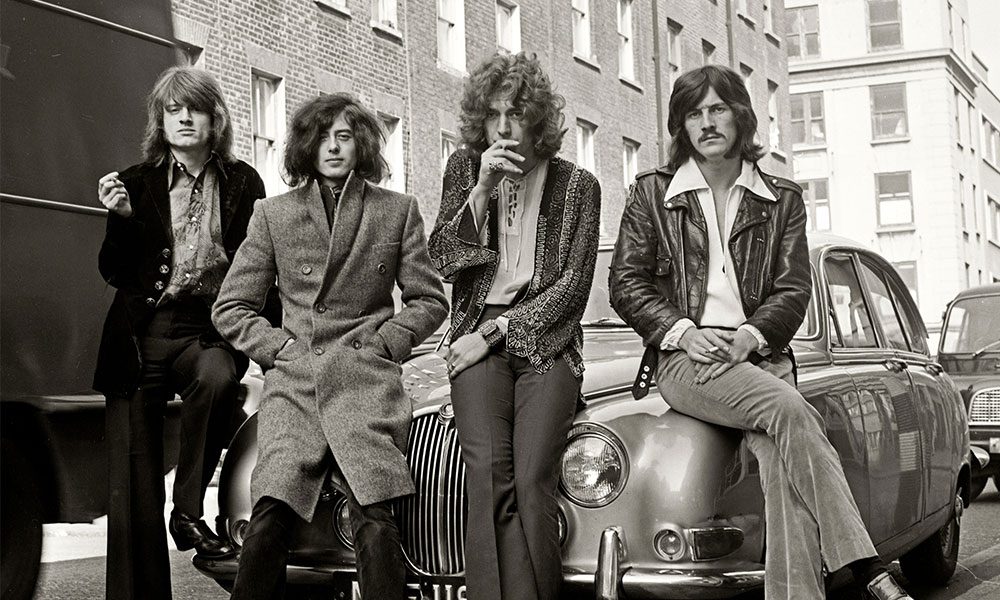
When Jimmy Page and Robert Plant reunited to perform “Kashmir” with an Egyptian orchestra, they didn’t simply revisit one of rock’s greatest songs—they transformed it into an unforgettable musical journey that felt even closer to the vision they had imagined decades earlier. For many fans, this HD performance remains one of the most breathtaking versions of “Kashmir” ever captured on film.
Originally released in 1975 on Led Zeppelin’s legendary album Physical Graffiti, “Kashmir” has long stood as one of the band’s defining masterpieces. Unlike many of Led Zeppelin’s blues-based classics, “Kashmir” was built around hypnotic orchestral arrangements, exotic rhythmic patterns, and an epic atmosphere inspired by Robert Plant’s travels through Morocco. Ironically, the song wasn’t actually written about the Kashmir region itself. Instead, it reflected the overwhelming feeling of traveling through vast desert landscapes where the horizon seemed endless—a feeling that Plant translated into lyrics filled with mystery, spirituality, and adventure.
For years, Led Zeppelin performed “Kashmir” live with the limitations of a traditional rock lineup. The song was still powerful, but Page and Plant always envisioned something even grander. That opportunity finally arrived during their celebrated reunion projects in the mid-1990s, when they began performing alongside full orchestras and Middle Eastern musicians. By incorporating authentic Egyptian orchestral arrangements, they elevated “Kashmir” into something remarkably close to its original artistic ambition.
From the opening notes, the performance commands attention. Jimmy Page’s unmistakable guitar riff remains the backbone of the song, instantly recognizable and as commanding as ever. Rather than overpowering the orchestra, his guitar blends seamlessly with the sweeping strings, creating layers of sound that feel both ancient and modern. Every note seems to echo across an imaginary desert landscape, giving the music an immense cinematic quality.
Robert Plant delivers the vocals with confidence and maturity. While his voice naturally evolved over the years, he doesn’t attempt to recreate the youthful screams of the 1970s. Instead, he sings with greater depth and emotional nuance, allowing the lyrics to carry even more weight. His seasoned voice fits perfectly within the orchestral arrangement, giving the performance a timeless quality that many fans find even more compelling than the original studio recording.
The Egyptian orchestra is the true secret weapon of this performance. Rather than serving as simple background accompaniment, the musicians become equal partners in the musical conversation. The violins, cellos, brass, and traditional Middle Eastern instrumentation add authentic textures that perfectly complement the song’s Eastern-inspired melodies. The result is a rich sonic landscape that expands far beyond the boundaries of rock music.
Visually, the HD presentation enhances every moment. The close-ups of Page’s intricate guitar work, Plant’s expressive delivery, and the orchestra’s passionate musicianship reveal the extraordinary attention to detail behind the performance. Watching dozens of classically trained musicians interact with two rock legends creates an atmosphere that feels both intimate and monumental.
One of the reasons this version continues to resonate with audiences is that it demonstrates the enduring versatility of great songwriting. “Kashmir” doesn’t rely on studio tricks or nostalgia to impress. Instead, its composition is so strong that it naturally embraces orchestral arrangements without losing its identity. Few rock songs possess that level of musical sophistication.
Many longtime Led Zeppelin fans consider this rendition one of the finest live interpretations of “Kashmir” because it finally realizes the song’s full potential. The orchestra doesn’t replace the power of the original—it amplifies it, revealing new emotional dimensions hidden within the composition. The performance bridges Western rock with Middle Eastern musical traditions in a way that feels respectful, ambitious, and genuinely inspired.
Decades after its original release, “Kashmir” continues to rank among the greatest rock songs ever written, and this collaboration between Jimmy Page, Robert Plant, and the Egyptian orchestra stands as compelling proof of its timeless appeal. It isn’t simply a reunion performance or a nostalgic tribute. It is a bold artistic statement showing how legendary music can evolve while remaining completely faithful to its original spirit. For anyone who loves rock, orchestral music, or unforgettable live performances, this extraordinary version of “Kashmir” remains essential viewing—a powerful reminder that true masterpieces only grow richer with time.
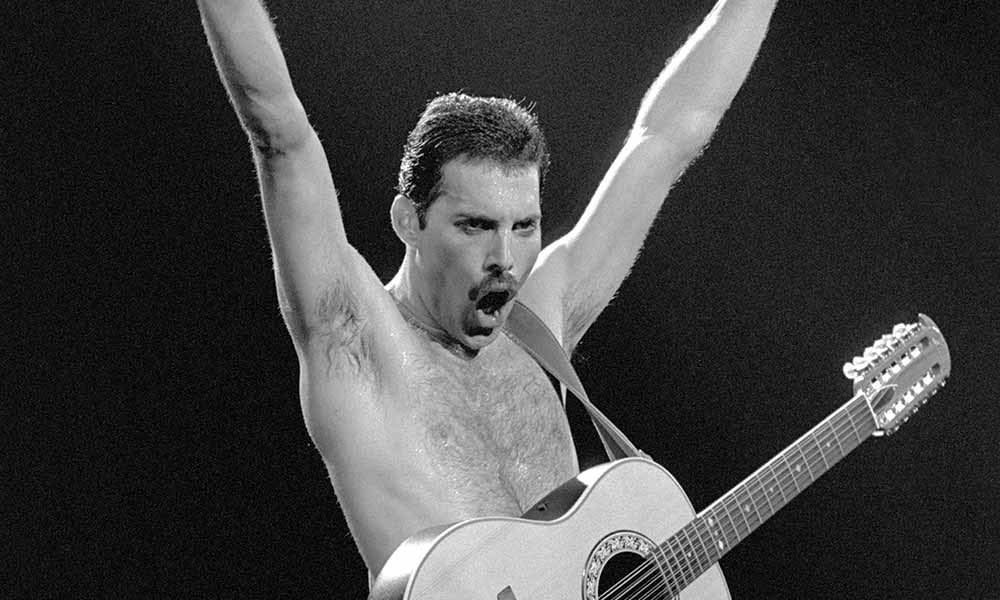
When two of the greatest voices in music history come together, expectations are naturally sky-high. That is exactly what happened when Michael Jackson and Freddie Mercury collaborated on “There Must Be More to Life Than This.” Although the song remained unfinished for decades, it has since become one of the most fascinating “what if” moments in popular music—a glimpse into what could have been had these two legendary performers completed an entire project together.
In the early 1980s, both artists were at the height of their careers. Michael Jackson had become a global phenomenon following the release of Thriller, while Freddie Mercury was leading Queen through one of the band’s most successful eras. Their mutual admiration for one another eventually led to a series of recording sessions at Jackson’s home studio in Encino, California, in 1983.
“There Must Be More to Life Than This” was originally written by Freddie Mercury. He first performed an early version of the song during Queen’s sessions for The Works, but it was a deeply personal composition that reflected his thoughts about humanity, compassion, and the desire for a better world. Mercury believed the song deserved something special, and collaborating with Michael Jackson seemed like the perfect opportunity.
The recording sessions have since become the subject of music legend. Jackson and Mercury reportedly recorded several songs together, including “State of Shock,” “Victory,” and “There Must Be More to Life Than This.” While their voices blended beautifully, the collaborations ultimately stalled. Various stories have circulated over the years about why the partnership ended—from demanding schedules to creative differences and even the famous tale that Mercury became uncomfortable with Jackson’s pet llama wandering around the studio. Regardless of the exact reason, the two icons went their separate ways before the recordings were completed.
For decades, fans only knew these collaborations through bootlegs and rumors. The unfinished recordings became treasured collectibles among devoted fans of both Queen and Michael Jackson, fueling endless speculation about what a full album from the pair might have sounded like.
Everything changed in 2014 when Queen released Queen Forever, a compilation featuring previously unreleased material. Using modern production techniques, producer William Orbit carefully restored and completed “There Must Be More to Life Than This.” The result allowed Freddie Mercury and Michael Jackson to share the spotlight once again, despite both having passed away.
Listening to the finished track is a remarkable experience. Freddie Mercury’s unmistakable power and theatrical passion perfectly complement Michael Jackson’s smooth, emotional delivery. Rather than competing, their voices seem to lift each other higher. Mercury brings dramatic intensity, while Jackson adds warmth, tenderness, and unmistakable soul. Together, they transform the song into an emotional plea for unity, kindness, and hope.
The lyrics remain just as meaningful today as they were when Mercury first wrote them. They ask a timeless question: Can humanity rise above conflict, hatred, and division? The message feels especially powerful because it comes from two artists whose music united millions of people across cultures, languages, and generations.
Fans often wonder what might have happened if Jackson and Mercury had continued working together. Considering their incredible songwriting abilities, groundbreaking performances, and unmatched vocal talent, the possibilities seem endless. While we may never know what could have been, “There Must Be More to Life Than This” offers a precious glimpse into that unrealized dream.
The collaboration also serves as a reminder that great music can transcend time. Even though the recording was started in the early 1980s and completed decades later, its emotional impact has never faded. New generations continue to discover the song and are often amazed to hear two of music’s most recognizable voices sharing the same recording.
Today, “There Must Be More to Life Than This” stands as more than just an unreleased collaboration finally brought to light. It is a celebration of two extraordinary artists who changed music forever. Michael Jackson’s heartfelt sensitivity and Freddie Mercury’s fearless vocal brilliance combine to create a performance that feels both intimate and monumental. It remains one of the most treasured collaborations in modern music history—a rare meeting of legends whose voices continue to inspire audiences around the world.