Category

Rock

Category

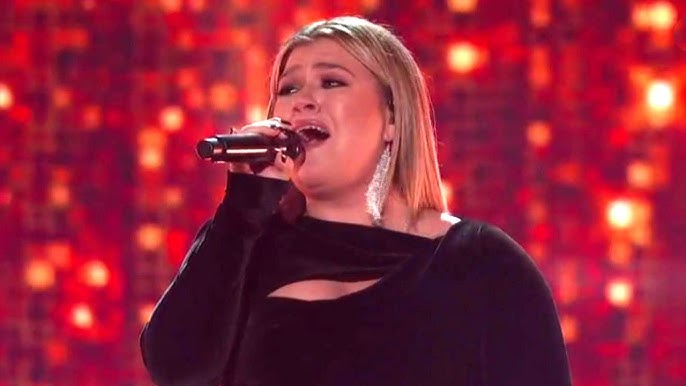
Kelly Clarkson gave fans a night to remember during her Las Vegas residency when she invited her two children—River Rose (11) and Remington “Remi” Alexander (9)—to join her on stage for a lively, joy-filled performance of her smash hit “Since U Been Gone.”

The moment unfolded on Saturday, July 26, and quickly spread online after a fan posted the adorable clip to TikTok. As Kelly belted out the opening, she beamed at the crowd and waved her kids over with an enthusiastic, “Come on!”

River Rose stepped up to the mic with all the confidence in the world, nailing the chorus like a seasoned performer, while Remi stole the spotlight with carefree dancing that radiated pure happiness. Together, the three turned the stage into a celebration of family, fun, and music.

This wasn’t just a performance — it was a memory in the making, one that perfectly captured Kelly’s love of sharing her stage with the people closest to her. Fans have seen this before: earlier in her Chemistry: An Intimate Night With Kelly Clarkson residency, River joined her mom for a sweet rendition of “Heartbeat Song,” even donning a matching outfit. Each time, Kelly’s bond with her kids shines through, and audiences can’t help but fall in love with those family-first moments.

But Clarkson’s residency isn’t only about playful singalongs. She also opens up about her journey, especially when it comes to deeply personal songs like “Piece By Piece.” Addressing why it’s no longer in her setlist, she told the audience: “People ask, ‘Why isn’t it in the set?’ And I’m like… have you listened to the lyrics?” After her divorce, the song took on a different meaning, so she reimagined it—turning it into an anthem of healing and self-discovery. Fans have connected strongly with that evolution, praising her vulnerability and strength.

Of course, Kelly being Kelly, she never lets the heavy moments linger too long without humor. At one show, she had the crowd roaring with laughter as she poked fun at herself while dealing with the Vegas heat and a wardrobe hiccup:

“I have these pastie things on underneath. I’m so hot … is this the change? You might see boobs, y’all!”

That balance of honesty, laughter, and heartfelt connection is what makes Kelly Clarkson so beloved. And now, with River and Remi by her side, her shows feel more personal than ever—a beautiful blend of superstar talent and down-to-earth motherhood.

As part of the All-Star 75th Birthday Celebration, two of folk and country’s most treasured voices — Joan Baez and Emmylou Harris — came together to perform Stephen Foster’s 1854 classic “Hard Times Come Again No More.”

The night itself was a gathering of legends, celebrating the heart of American folk traditions. Yet when Baez and Harris stepped into the spotlight, the atmosphere shifted. Their voices — Baez with her crystalline, almost ethereal soprano, and Harris with her rich, earthy alto — intertwined in a way that felt timeless, breathing new life into Foster’s plea for compassion and empathy.

More than 160 years after it was written, “Hard Times Come Again No More” continues to resonate, its lyrics echoing the struggles of ordinary people and the hope for brighter days. Covered by countless artists over the decades, from Bob Dylan to James Taylor, the song has always carried a universal truth. But in the hands of Baez and Harris, it became something even more profound: a living reminder that hardship and hope walk hand in hand.

The performance began with Baez’s delicate, unwavering voice, filling the hushed theatre with quiet reverence. When Harris joined in, her harmonies wrapped around Baez’s melody like comfort itself — two distinct voices creating one seamless prayer. Accompanied only by gentle acoustic instrumentation, the simplicity of the arrangement allowed every word to cut deep.

Inside the Beacon Theatre, time seemed to stand still. The acoustics magnified every breath, every note, as the audience leaned into the moment. Some listeners closed their eyes, others wiped away tears, but all were united in a shared sense of reflection. It wasn’t just a performance — it was communion.

Fans and critics alike were quick to call it one of the evening’s defining moments. Social media lit up with praise, with one attendee writing, “Hearing Baez and Harris sing this was like touching history itself.” Another shared, “That wasn’t just music — it was a prayer for the world.”

For Baez and Harris, artists who have spent their lives using music to champion justice, peace, and human dignity, the song’s message felt deeply aligned with their legacies. And for everyone in the theatre, it was a reminder that while hard times may come, music — and the voices of those who carry it with honesty — gives us the courage to believe that better days will follow.

Kelly Clarkson has once again reminded the world why she stands among the most authentic voices in music. In a recent performance, the Grammy-winning powerhouse turned her song “Piece By Piece” into an emotional journey that left the entire arena in tears.

First released in 2015, the song was originally a love letter to her then-husband Brandon Blackstock, written during a time when his presence seemed to mend the brokenness left behind by her father’s absence. The lyrics spoke of hope, gratitude, and the healing power of love, with lines like “Piece by piece, he restored my faith, that a man can be kind and a father could stay.”

Her heartfelt live renditions—especially her unforgettable American Idol performance—showed just how deeply personal the track was.

But life changed. After a painful divorce finalized in 2022, Clarkson found herself unable to connect with the original version. Instead of letting the song fade into the past, she chose to rewrite it—transforming it from a ballad of gratitude into an anthem of resilience and self-love.

Now, the song tells a different story: one of independence, healing, and strength. She sings:

“I just walk away, when they ask for money
I take care of me, ’cause I love me
Piece by piece, I restored my faith
That a heart can still beat, even when it breaks.”

Before performing, Clarkson opened her heart to the audience, explaining that “Piece By Piece” is a song that will keep evolving because her story keeps evolving. What was once rooted in hope for another person’s love has become a powerful declaration of self-worth.

On stage, tears ran down her face as she admitted the song has taken on “several different lives,” but she embraced its new meaning as an anthem of empowerment. Fans responded with overwhelming applause, many visibly emotional as they connected their own journeys to hers.

Today, “Piece By Piece” stands as more than a song—it’s a living reflection of Clarkson’s resilience. It shows that heartbreak doesn’t define us; it reshapes us. And as she continues to sing it, the song grows with her, becoming not just her story, but everyone’s who has ever rebuilt themselves after loss.

For that one night, the arena wasn’t just a concert venue. It was a place of healing, where music became medicine and where Kelly Clarkson proved—yet again—that honesty is her greatest strength.

At 92 years old, Willie Nelson continues to prove why he’s one of the most enduring voices in American music. During a recent appearance with The Red Clay Strays, the country icon delivered a moving rendition of the timeless gospel hymn “I’ll Fly Away.” His weathered yet soulful voice carried the weight of a lifetime—decades of stories, love, and loss—leaving the audience deeply touched.

The performance quickly became a talking point across social media. Fans described the moment as “legendary” and “unforgettable.” One attendee wrote, “This was my grandmother’s favorite song. I lost her earlier this year, and I couldn’t hold back the tears.” For many, Nelson’s version wasn’t just music—it was a moment of healing.

@theredclaystrays

What an honor.

♬ original sound – The Red Clay Strays

Written in 1929 by Albert E. Brumley, “I’ll Fly Away” has long been considered one of the greatest gospel songs in American history. Its message of hope—“Some glad morning when this life is over, I’ll fly away”—has brought comfort to countless generations, often sung at church gatherings, funerals, and moments of reflection. Over the years, legends like Johnny Cash and Alan Jackson have kept the song alive, but Nelson’s interpretation carried a rare sense of prayer-like sincerity.

Concertgoers felt every word he sang. One fan reflected, “I’ve seen Willie many times, but this one was different. This one stays with you.” Another added, “It wasn’t just a performance—it was a prayer.”

Nelson remains on the road as part of the Outlaw Music Festival, sharing the stage with fellow greats like Bob Dylan, Nathaniel Rateliff & The Night Sweats, Billy Strings, Sierra Hull, and Lily Meola. The tour kicked off on May 13, 2025, in Phoenix, Arizona, and will wrap up on September 19, 2025, in East Troy, Wisconsin. With tickets still available, fans still have the chance to witness one of country music’s most cherished voices offering moments that feel nothing short of eternal.

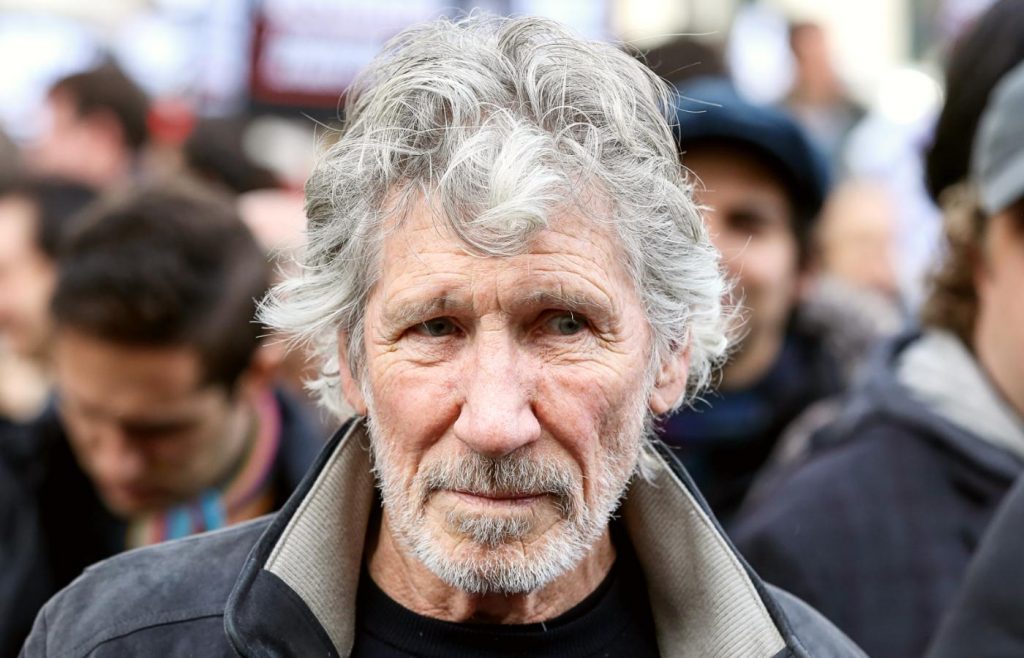
When two iconic voices of different generations and artistic sensibilities come together, the result is often unforgettable. Such is the case with Sinéad O’Connor and Roger Waters performing “Mother,” one of the most haunting tracks from Pink Floyd’s legendary 1979 album The Wall.

“Mother” is not just another rock ballad—it’s an emotional dialogue between a protective parent and a child grappling with fear, authority, and control. Written by Waters, the song examines how parental influence and societal expectations can shape, and sometimes stifle, a person’s identity.

For Roger Waters, “Mother” was deeply personal. It reflected his own experiences growing up without a father, who was killed in World War II, and being raised by a strong but overbearing mother. Over the decades, the song has remained one of his most emotionally charged pieces, blending vulnerability with critique of authoritarianism.

Bringing Sinéad O’Connor into this performance elevated the song to another dimension. Known for her raw, emotional delivery and fearless authenticity, O’Connor’s voice became the perfect counterpoint to Waters’ grounded, weary tone. Where Waters carried the weight of lived experience, O’Connor delivered the maternal response with fragility, warmth, and at times, unsettling intensity.

Her voice pierced through the arrangement—delicate yet unshakable—adding layers of pain, love, and caution. It was not just a performance; it was an embodiment of the song’s narrative, as if O’Connor herself became the protective yet suffocating figure of “Mother.”

What made this collaboration so powerful was the emotional truth each artist brought. Waters, with his history of social and political commentary, sang from the perspective of a man scarred by war, loss, and control. O’Connor, an artist who lived much of her life challenging societal and religious structures, sang with a vulnerability that mirrored her own struggles with identity and authority.

Together, they created a performance that was haunting, emotional, and unforgettable. It wasn’t just a cover; it was a reimagining of “Mother”—a dialogue between two artists who both understood, in their own ways, the pain of being silenced and the yearning to be free.

Even decades after its release, “Mother” feels as relevant as ever. It speaks to themes of fear, overprotection, and the walls we build around ourselves—concepts that transcend generations. With O’Connor’s tragic passing in 2023, this performance has gained even deeper meaning. It stands as a reminder of her singular artistry and the way she could transform any song into something profoundly personal.

In the summer of 1963, Bob Dylan made his festival debut at Newport, Rhode Island, marking the first of three consecutive appearances at this celebrated gathering of folk legends.

On July 27th, during a Saturday afternoon workshop, Dylan performed “North Country Blues”, introducing himself not just through a captivating melody but through a deep, haunting narrative.

“North Country Blues” appeared a few months later on Dylan’s third studio album, The Times They Are a-Changin’ (released January 1964), and was recorded in August 1963. Crafted with just two chords (Cm & Bb) and structured as ten verses with an ABCB rhyme scheme, the song tells a grim and deeply affective story set in a mining town, likely drawn from Dylan’s Minnesota roots on the Mesabi Iron Range.

In the song, a female narrator recounts the slow decay of her community: businesses have shuttered, family members have died or left, and ultimate isolation awaits. It’s a chilling testimony to economic collapse and emotional desolation. Scholar M. Marqusee described the song as a “formally conservative exercise in first-person narrative,” yet one filled with haunting variation and expressive power.

One particularly poignant line encapsulates the song’s emotional weight:

“Where the sad, silent song made the hour twice as long.”
As one commentary notes, this line “defines the entire song of desperation—in just one line”.

When Dylan stepped onto the Newport stage, he wasn’t yet the icon he would become—but his presence was unmistakable. In a workshop hosted by Jean Ritchie, among a lineup of folk legends, Dylan closed the afternoon with “North Country Blues,” followed by a performance of “With God on Our Side” alongside Joan Baez.

Critics later reflected that Dylan’s delivery, barely distinguishable from speech, already bore the signature melodic drawl of his later style—poetic, intimate, and unyielding.

Though the film The Other Side of the Mirror (2007) highlights Dylan’s rising “charisma” and sense of power across his Newport performances, it’s clear that in 1963, “North Country Blues” resonated quietly but profoundly—hinting at the depth and reach his songwriting would attain.

“North Country Blues” isn’t often spotlighted in Dylan’s catalog, yet it stands as a masterclass in storytelling minimalism—a folk ballad that pulses with sorrow and poetic precision. In the context of New­­­­­­­­­­­­­­­­­­­­­­­­­­­­­­­­­­­­­­­port ’63, the song revealed Dylan’s commitment to the folk tradition and his ability to channel communal heartbreak through personal narrative.

This performance served as an early and clear declaration of Dylan’s path: one shaped by truth-telling lyrics, stark realism, and emotional authenticity.

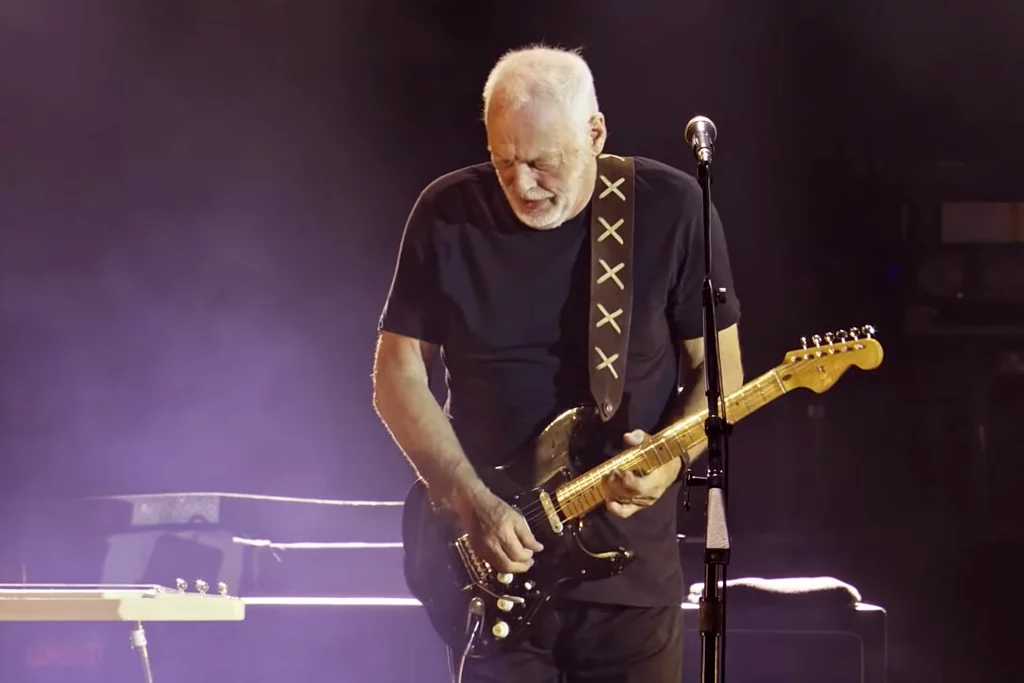
When legendary Pink Floyd guitarist David Gilmour steps on stage, it’s always a moment of magic. But when he shares that spotlight with his daughter, Romany Gilmour, the performance becomes something even more intimate and moving. This was exactly the case during their appearance on Later… with Jools Holland, where the father-daughter duo delivered a breathtaking rendition of “Between Two Points.”

The song itself is gentle and dreamlike, carried by Romany’s soothing vocals and harp playing, while David’s unmistakable guitar tones weave around her voice with warmth and depth. It’s a performance that feels deeply personal, a blending of generations through music. For long-time Pink Floyd fans, watching Gilmour in such a stripped-down, heartfelt setting offers a new perspective on his artistry—far from the colossal stadium shows and iconic anthems.

Romany Gilmour has steadily been carving her own path as a musician, but this collaboration highlights not only her immense talent but also the powerful bond between father and daughter. There’s a tenderness in the way David supports her musically, never overpowering, but instead complementing her voice and letting her shine.

Later… with Jools Holland has long been a stage for iconic live performances, but this one stands out for its intimacy. It wasn’t about grandeur—it was about connection, legacy, and the timeless language of music passed down through family.

For fans, this performance is more than just a song; it’s a reminder of how music binds us together across time, space, and generations. Watching David and Romany side by side, it’s clear that the Gilmour legacy will continue to inspire for years to come.

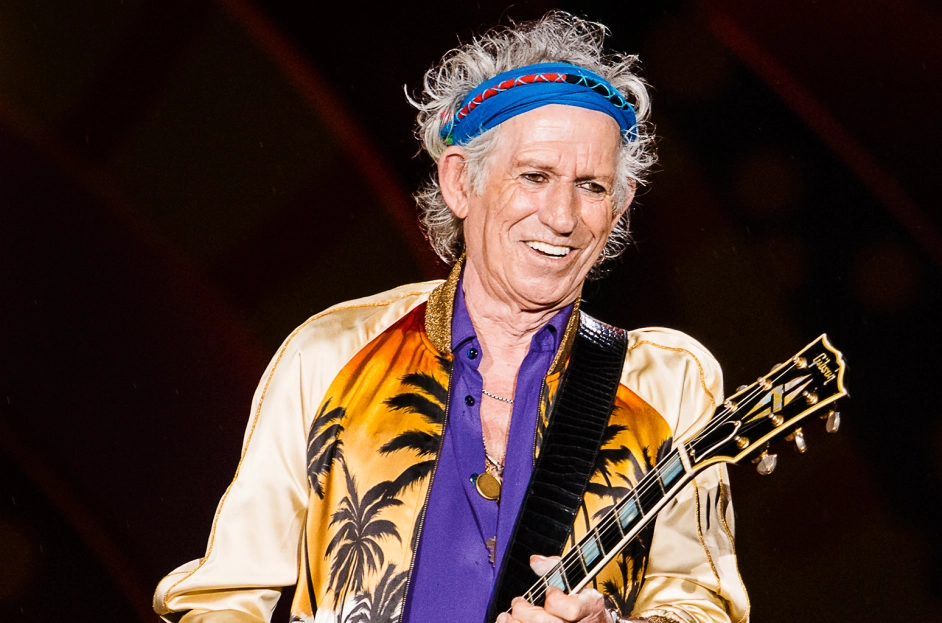
Some performances feel less like concerts and more like timeless moments in music history. One such collaboration is Keith Richards and Norah Jones coming together to perform the classic ballad “Love Hurts.”

Originally written by Boudleaux Bryant and made famous by The Everly Brothers before Nazareth turned it into a rock anthem, the song has lived through generations. Its haunting lyrics and aching melody have always carried universal meaning—but when Keith Richards and Norah Jones interpret it, the song takes on an entirely new life.

Keith Richards, the legendary Rolling Stones guitarist, brings raw grit, experience, and soul to the performance. His weathered voice and understated playing remind us why he remains one of rock’s most enduring figures. Standing alongside him, Norah Jones adds warmth and emotional depth with her smooth, smoky vocals. Known for blending jazz, soul, and folk influences, she complements Richards in a way that feels both unexpected and natural.

What makes their duet so captivating is the balance between vulnerability and strength. Richards delivers the song with a kind of lived-in pain, while Jones softens it with elegance and tenderness. Together, they strip the track down to its emotional core, creating a version that feels deeply human.

Great collaborations happen when artists from different worlds find common ground—and this performance is a perfect example. Richards represents the grit of rock ’n’ roll; Jones embodies the grace of jazz-infused pop. Yet, in Love Hurts, their voices intertwine to tell the same story: that love is beautiful, powerful, and sometimes devastating.

For fans of both artists, this duet is a reminder of music’s unique ability to bridge styles, eras, and emotions. It proves that even decades after its first recording, Love Hurts continues to strike a chord with new generations when interpreted by artists who live and breathe authenticity.

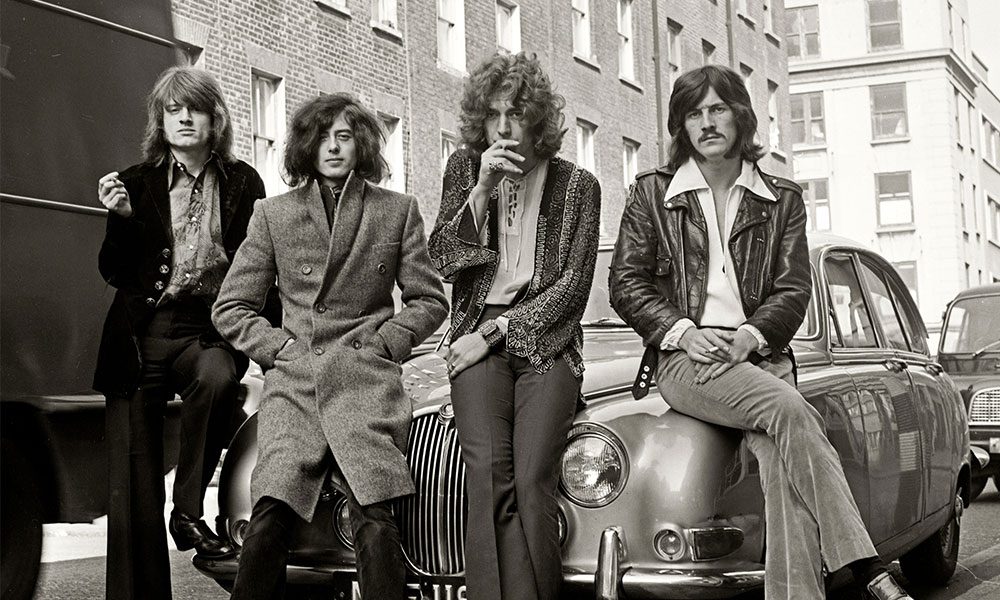
In December 2012, Ann and Nancy Wilson of Heart stepped onto the Kennedy Center stage to perform one of the most memorable covers of Stairway to Heaven — with Led Zeppelin themselves watching from the audience.

The night was special. Led Zeppelin were being honored with the prestigious Kennedy Center Award, given to people who’ve made a huge impact on American culture. President Barack Obama was there to present it, joining a list of past honorees like Ella Fitzgerald, Frank Sinatra, and Ray Charles.

On this evening, the surviving members — Jimmy Page, Robert Plant, and John Paul Jones — were treated to a breathtaking version of their 1971 classic. The performance featured a full choir, orchestra, and Jason Bonham (son of the late John Bonham) on drums. Guitarist Shane Fontayne, known for playing with stars like Graham Nash and Bruce Springsteen, took on the daunting task of performing the legendary solo while Nancy Wilson opened with the song’s timeless riff.

From the first note to the final crescendo, the performance was flawless. Nancy’s gentle opening, Fontayne’s heartfelt solo, and the soaring finale left the crowd stunned. Jimmy Page was visibly impressed, and Robert Plant was moved to tears.

Surprisingly, the Wilson sisters later revealed they had only one rehearsal and a quick soundcheck before the show. Ann believes Plant’s emotions were partly due to seeing Jason Bonham on drums — a reminder of the band’s early days when Jason was just a child at rehearsals.

At the after-party, Led Zeppelin made their feelings clear. Plant admitted he normally disliked covers of Stairway to Heaven, but this one had won him over. Page himself told Nancy, “You nailed the guitar part!”

Over the years, Plant has revisited that night in interviews, calling it one of the standout moments of his career. He’s described the experience as “humbling” and “mind-altering,” still amazed that a song from over 50 years ago could feel so alive.

For Nancy Wilson, one memory stands out: it was cold backstage, and she had to keep her fingers warm. “You can’t play Stairway to Heaven with cold hands in front of Jimmy Page,” she laughed. But the sisters agree — if anyone deserved such a powerful tribute, it was Led Zeppelin.

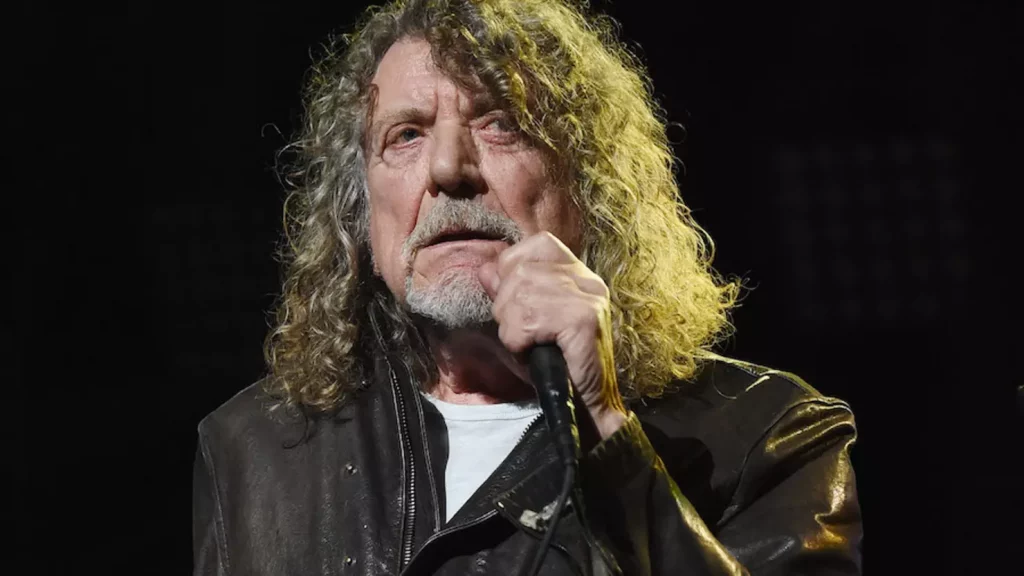
In a surprising confession during a recent Mojo interview, rock icon Robert Plant revealed why he passed on attending Black Sabbath’s “Back to the Beginning” farewell concert—Ozzy Osbourne’s swan song and a monumental moment in heavy metal history.

Tony Iommi, the legendary Black Sabbath guitarist, extended the invitation to Plant, asking him to be part of this historic closing chapter. Plant recalled his response plainly:

“Tony, I’d love to come, but I can’t come. I just can’t…”

Plant was eager to clarify that it wasn’t a snub. He doesn’t denounce heavy metal, nor hold any disdain for it: “I don’t know anything about what’s going on in that world now, at all. I don’t decry it, I’ve got nothing against it. It’s just I found these other places that are so rich.” 

In recent years, Plant’s musical journey has steered away from thunderous stadium anthems toward more intimate, soul-nourishing settings. He’s embraced that freedom with his current ensemble, Saving Grace, which blends traditional folk, world music influences, and stripped-down reinterpretations of Led Zeppelin classics. These performances bring a sense of unguarded authenticity he finds “rich” and deeply fulfilling.

“The gigs are small enough so that if nobody wants to go, it’s not the end of the world.”

He emphasized this ethos again with a wry mental image: “Instead of doing the football stadium with some old mates, there it was: we were free. We could mess about.”

Plant’s decision is not isolated; it mirrors his long-standing stance against staging another full-scale Led Zeppelin reunion simply for the spectacle. In essence, it’s about honoring artistry over ego, substance over nostalgia.