Category

Rock

Category

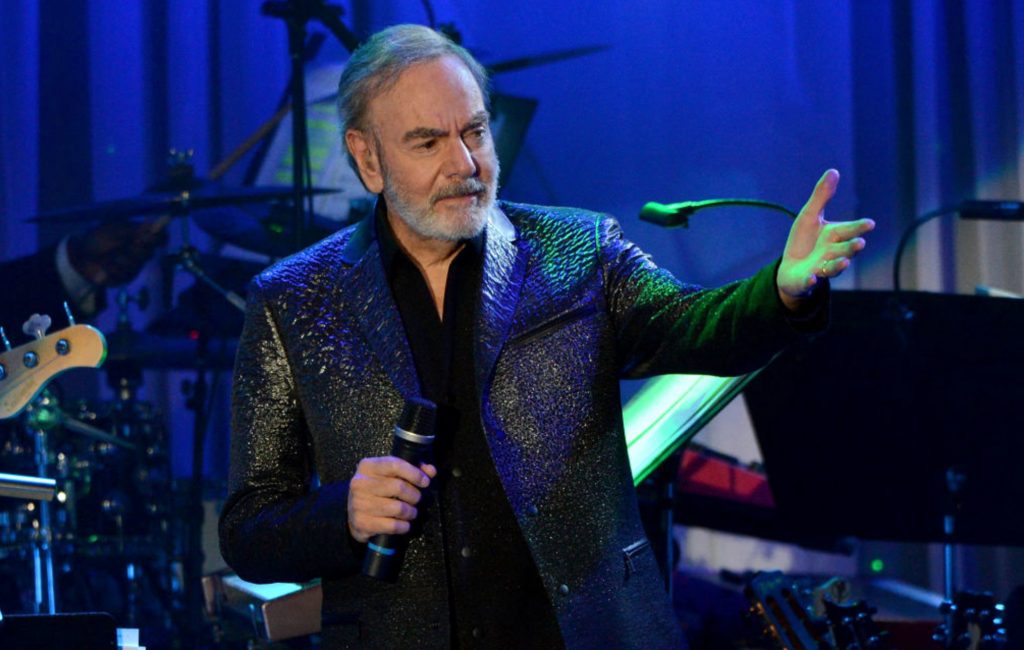
Legendary singer-songwriter Neil Diamond, now 84 and living with Parkinson’s disease, offered fans an unforgettable moment during a performance of A Beautiful Noise: The Neil Diamond Musical at Los Angeles’s Pantages Theatre.

On July 12, 2025, during the curtain call of the matinee performance, Neil Diamond—who suspended touring in 2018 after publicly announcing his Parkinson’s diagnosis—unexpectedly rose from his seat in the audience to deliver a heartfelt rendition of his 1969 classic “Sweet Caroline”. Dressed casually in a baseball cap and jacket, he led the packed theatre in a sing-along that ended in a thunderous standing ovation.

Though retiring from touring after his diagnosis, Diamond has remained creatively active. His return to the spotlight on this night not only showcased his enduring vocal presence but also reaffirmed his resilience amid the challenges posed by Parkinson’s. Fans described the performance as emotional and uplifting, with many noting how healthy and joyful he appeared.

Performed before by Diamond at Fenway Park in 2022 and other special occasions, “Sweet Caroline” has become a cultural anthem. Hearing the original artist lead it live once more—despite personal health struggles—created a moment of raw connection and celebration.

@disway800

Wow! What a great surprise! #neildiamond #neildiamondmusical #pantagestheatre #sweetcaroline #musical

♬ original sound – Disway800

Nick Fradiani, the American Idol alum portraying Diamond in the musical, shared how deeply meaningful the moment was:

“I built up this day in my head for over 2 years… I felt honored and fulfilled. He’s a great man… he’s changed so many of our lives.”

Social media lit up instantly—fans called it “magic,” “unforgettable,” and “a moment of a lifetime.” The musical’s official Instagram called it “a moment we’ll never forget.”
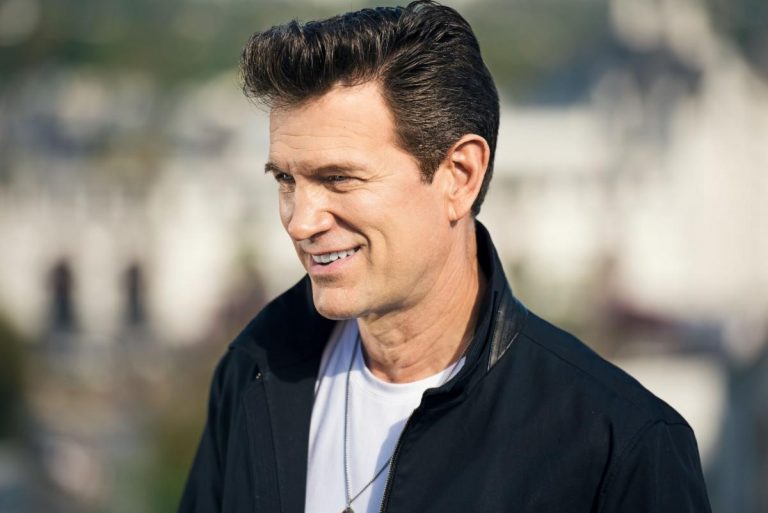
There are certain songs that seem to live forever — haunting, timeless, and emotionally raw. Chris Isaak’s “Wicked Game” is one of those rare gems, and his live performance of the song in 2012 served as a powerful reminder of its enduring magic.

By 2012, Isaak had already cemented his place in music history with his distinctive blend of rockabilly, crooner-style vocals, and heart-wrenching ballads. But when he stepped onto the stage that year to perform “Wicked Game,” he didn’t just sing the song — he inhabited it.

Backed by his long-time band, Silvertone, Isaak delivered the song with a smoky intimacy that made the live version feel even more potent than the studio original. Every note of his falsetto cut through the air like a whispered confession, and the reverb-soaked guitar lines echoed with longing and regret.

What makes the 2012 performance so memorable isn’t just the technical perfection — it’s the mood. Chris Isaak has a way of making the stage feel like a dimly lit lounge from another era, drawing the audience into a world where heartbreak is beautiful and vulnerability is strength.

Even the visuals added to the allure. Dressed in one of his signature rhinestone-studded suits, Isaak looked every bit the romantic desperado. Yet behind the showmanship was a sincerity that connected with every member of the audience, whether they were hearing the song for the first time or the hundredth.

“Wicked Game” is often cited as one of the most sensual and sorrowful songs of the last few decades, and Isaak’s live 2012 rendition only deepened its impact. At a time when live music was often dominated by high production and flashy effects, Isaak reminded us of the power of simplicity: a soulful voice, a sorrowful guitar, and lyrics that still ache with meaning.

For fans, it was more than just a performance — it was a moment. And for newcomers, it was an unforgettable introduction to one of the most emotionally resonant love songs ever written.

Even today, more than a decade later, clips of that 2012 performance continue to circulate online, a testament to the timeless pull of both the artist and the song. Chris Isaak didn’t just perform “Wicked Game” live — he lived it on stage, and in doing so, made us all feel a little more human.

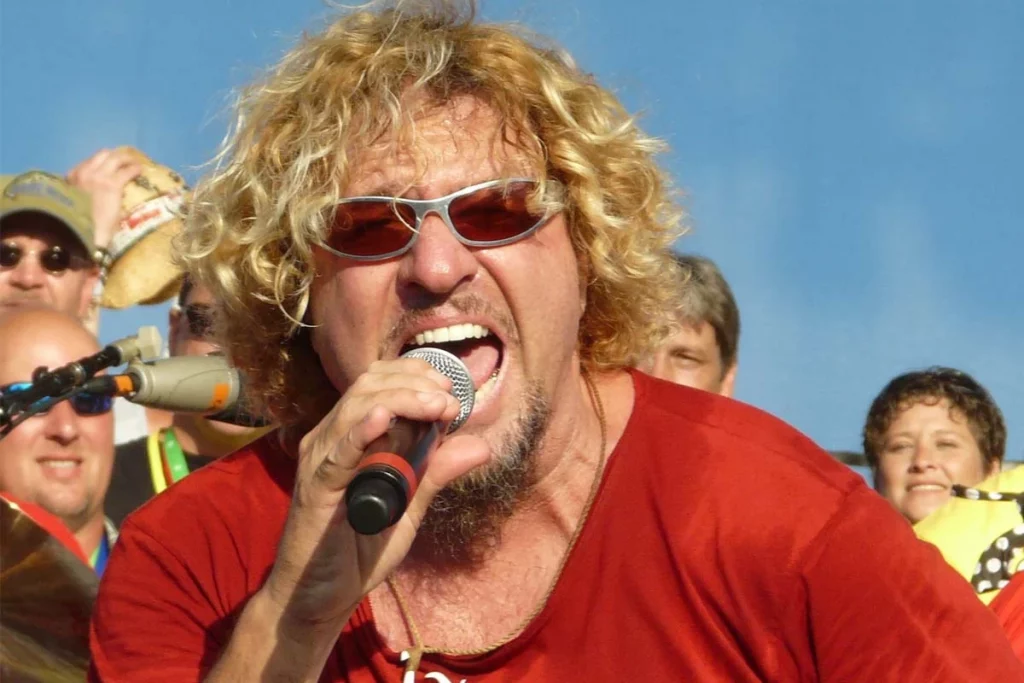
In a powerhouse moment that thrilled rock fans everywhere, Bret Michaels and Sammy Hagar recently joined forces for a live performance of the Poison classic, “Every Rose Has Its Thorn.” The surprise duet brought together two iconic voices of the 1980s rock scene for a raw, emotionally charged performance that had the crowd swaying, singing, and reliving the golden era of glam metal.

Bret Michaels, the frontman of Poison, originally released “Every Rose Has Its Thorn” in 1988—a heartfelt power ballad that became an anthem for broken hearts and one of the most recognizable songs of the decade. Sammy Hagar, known for his work with Montrose, Van Halen, and his successful solo career, brought his signature rasp and soulful depth to the performance, elevating the emotional weight of the song.

Their chemistry onstage was undeniable. Michaels, with his signature bandana and acoustic guitar in hand, took the lead on the verses, while Hagar matched him note for note with powerful harmonies and passionate vocal runs. The crowd erupted when both legends stood center stage, guitars in hand, pouring their hearts into the final chorus.

This collaboration wasn’t just a performance—it was a moment of rock history. It reminded fans that even decades after their respective rises to fame, these icons still know how to connect with an audience and breathe new life into timeless songs.

Whether you’re a die-hard fan of Poison, a Red Rocker loyalist, or simply someone who loves a great live show, this duet between Bret Michaels and Sammy Hagar was a true celebration of rock ‘n’ roll spirit—and proof that some songs, like “Every Rose Has Its Thorn,” only get better with age.

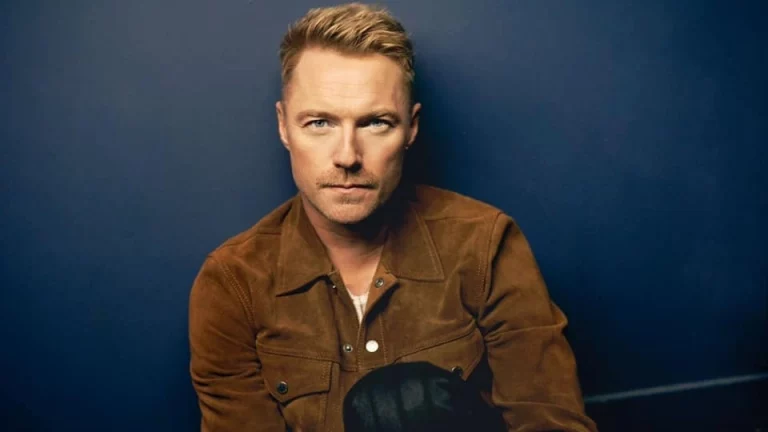
On an otherwise ordinary Monday morning in Hemel Hempstead, Tesco shoppers were met with a delightful twist — a surprise live acoustic set by none other than Ronan Keating himself.

The Boyzone star-turned-solo sensation stunned customers as he casually strolled into the supermarket with a guitar in hand, transforming the Hertfordshire store into an impromptu concert venue on January 15. Keating serenaded bewildered but thrilled onlookers with some of his most beloved tracks, including the timeless “When You Say Nothing At All,” marking the song’s 25th anniversary in style. Other crowd-pleasers like “Life is a Rollercoaster” and “Lovin’ Each Day” had fans singing along in the aisles.

Wearing a relaxed smile and welcoming energy, Keating even chatted with shoppers between songs and took requests on the spot, creating a one-of-a-kind, intimate musical moment — all amid shelves of cereal and fresh produce.

This unexpected performance marked the launch of Keating’s new role as Tesco Mobile’s “Roaming Ambassador” — a fun and heartfelt campaign that promises more surprise gigs at unexpected places throughout the UK.

Reflecting on the pop-up gig, Keating shared his joy: “Celebrating 25 years of this song with fans in such a down-to-earth setting is something special. Who says you can’t mix music with your weekly shop?”

Unsurprisingly, footage of the surprise show quickly lit up social media, as fans posted videos and shared their amazement at stumbling upon a live set while doing the groceries. Some called it a “once-in-a-lifetime moment,” while others joked that Tesco had officially become their new go-to concert venue.

From global fame to supermarket serenades, Ronan Keating proves he’s still full of surprises — and he’s bringing the music directly to the people, one store at a time.

When musical legends from different worlds collide, magic often happens—and that’s exactly what unfolded when Alison Krauss and Tom Jones teamed up for a foot-stomping, soul-filled performance of “Raise a Ruckus.” This unexpected pairing brought together Krauss’ haunting Appalachian bluegrass roots with Jones’ unmistakable powerhouse vocals, delivering a performance that felt both timeless and electrifying.

Filmed as part of Tom Jones: Soundstage, the performance showcased the kind of musical chemistry that can only come from artists who live and breathe their craft. From the very first note, Krauss’ ethereal harmonies wove seamlessly around Jones’ gritty, commanding delivery, transforming the traditional spiritual into a raucous celebration of rhythm and soul.

“Raise a Ruckus” is a song steeped in Southern gospel and American roots tradition, and under their combined artistry, it took on new life. With Krauss on fiddle and harmonies, and Jones leading the charge with raw vocal power, the audience was treated to a spirited rendition that walked the line between revival tent and roadhouse stage.

But it wasn’t just the music that captivated—it was the palpable joy between the two performers. Smiles, subtle glances, and unspoken musical understanding made the performance feel like an intimate jam session between old friends. Tom Jones, though better known for pop and soul, slid effortlessly into the Americana realm, while Krauss, ever the graceful collaborator, embraced his fire with her serene finesse.

For fans of both artists, this duet was more than just a novelty—it was a testament to the power of genre-crossing collaboration. It proved that great music transcends style, age, and background. And in a world that often separates artists into boxes, Krauss and Jones kicked those boxes aside and raised a ruckus—in the best way possible.

Whether you’re a bluegrass aficionado, a lifelong Tom Jones fan, or simply someone who appreciates a great live performance, this version of “Raise a Ruckus” is a must-watch moment. It’s soulful, spirited, and unforgettable—just like the artists themselves.

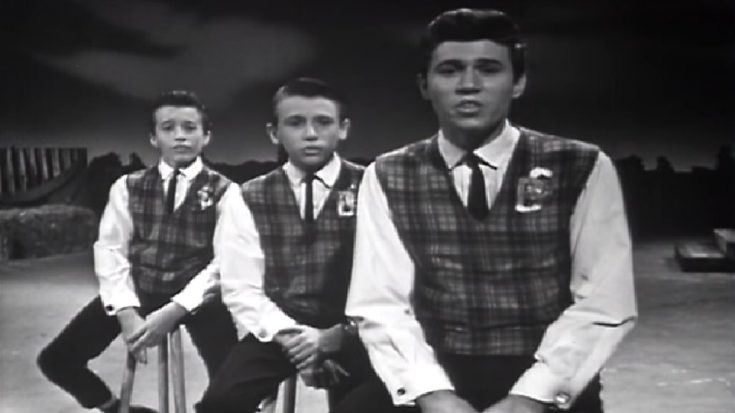
It was a warm July evening in 1979, and the Oakland Coliseum buzzed with excitement. Thousands of fans filled the stadium, ready for a night of unforgettable music. What they didn’t know was that they were about to witness something far more powerful — the final time all four Gibb brothers would share the stage.

Barry, Maurice, Robin, and Andy Gibb stood under the lights not just as global music icons, but as brothers — united by blood, music, and a bond deeper than words. The harmonies were flawless, the connection between them undeniable. The crowd sang along to every lyric, as the Bee Gees gave the performance everything they had — heart, soul, and more.

Tragedy would follow. Andy lost his battle with addiction and passed away in 1988. Maurice died unexpectedly in 2003. And in 2012, Barry lost his twin, Robin — the brother he once called “the other half of my soul.” Now, Barry Gibb stands alone, the last of the legendary quartet.

“I still ask myself why I’m here and they’re not,” Barry once shared. “But that night in Oakland… it lives on. It was sacred. It was the last time we were all together.”

Fans still return to the footage of that concert — not just for the music, but for the feeling. The way the brothers looked at each other. The shared smiles. The unspoken rhythm only family can create. It wasn’t just a performance — it was love turned into song.

“When I close my eyes,” Barry whispered, “I still hear them.”

That night wasn’t just another show. It was a farewell wrapped in harmonies and spotlight. A moment in time no one recognized for what it was — until it was gone. But it still echoes. In old recordings. In the hearts of fans. And in the quiet moments Barry lives with every day.

Because the Bee Gees weren’t just a band. They were brothers. And for one perfect night in Oakland, the world got to feel that — completely.

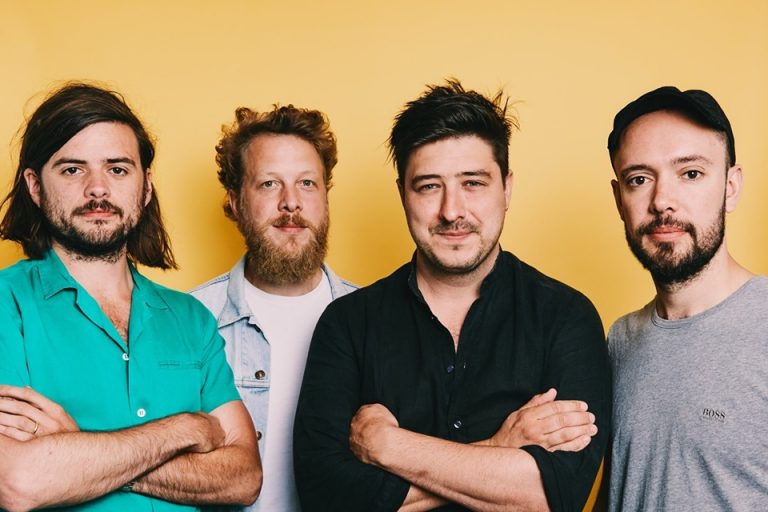
At the 2023 New Orleans Jazz Fest, Mumford & Sons delivered a performance no one saw coming — a genre-bending, soul-shaking rendition of “House of the Rising Sun” that’s now gone viral with over 3 million views (and counting).

Before the first chord struck, frontman Marcus Mumford welcomed two hometown heroes to the stage: the ever-electric Trombone Shorty (Troy Andrews) and the endlessly talented Jon Batiste, best known as the charismatic bandleader of The Late Show with Stephen Colbert. What followed was a cover of the 1964 classic by The Animals — but this wasn’t just another version. It was a total reinvention.

Marcus kicked things off with a stripped-down, intimate intro — a quiet acoustic lull that hushed the crowd before erupting into a full-blown folk-jazz explosion. Trombone Shorty’s velvety brass solos danced between Marcus’ breathy verses, building tension with every haunting note. Jon Batiste chimed in with a spine-tingling melodica solo, weaving gospel, blues, and jazz in hypnotic fashion.

Just as the energy peaked, a surprise twist jolted the audience: guitarist Clarisse stormed the stage in tangerine sunglasses, wielding a glitter-drenched blue guitar and tearing into a face-melting solo that felt more rock arena than folk fest — think Slash meets Preservation Hall.

Where most covers of “House of the Rising Sun” lean on vocal drama or retro homage, this performance unfolded like a living conversation between genres. Instead of leaning on spectacle, the band and their guests let their musicianship do the talking — ebbing and flowing with breathtaking dynamics and explosive chemistry.

Mumford’s delivery was balanced and unpredictable, swerving between gentle vulnerability and powerhouse vocal peaks. Yet, even at its most intense, the spotlight kept moving — Trombone Shorty playing with fearless flair, Jon Batiste elevating each bar with effortless soul, and Clarisse turning heads with raw guitar heroics.

For a band sometimes labeled as too polished or out of step with pop trends, this moment served as a reminder: Mumford & Sons aren’t chasing charts — they’re chasing artistry. And with collaborators like this, they’re taking us all along for the ride.

As one stunned fan commented on YouTube, “What the actual hell did I just witness? That was one of the best live sets I’ve seen in years. No flash. No gimmicks. Just real musicians blowing the roof off.”

No autotune. No filter. Just lightning caught onstage.

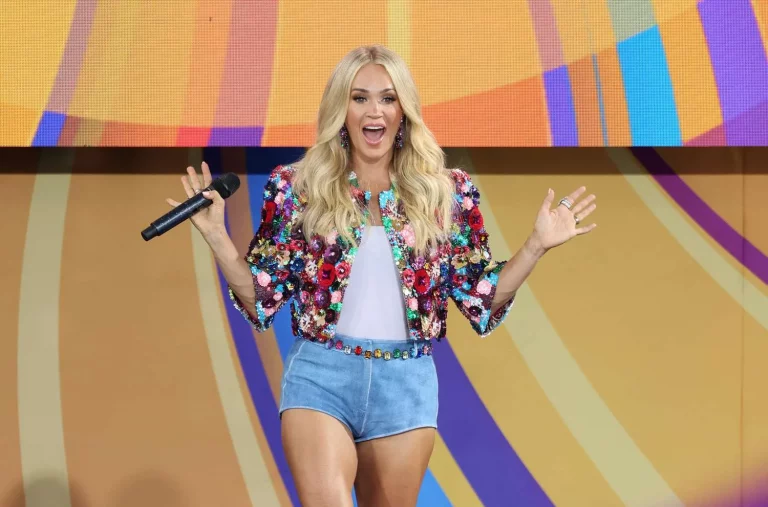
Country music meets heavy metal in a bold and beautiful way — and Carrie Underwood is the bridge between two musical worlds. The American Idol alum, known for her powerhouse vocals and emotional delivery, recently surprised fans with a heartfelt cover of Ozzy Osbourne’s 1991 classic “Mama, I’m Coming Home.” And it’s safe to say she delivered it with both reverence and raw power.

While the country superstar has never shied away from stepping outside the genre box — her performances with Guns N’ Roses and her rock-infused albums like Cry Pretty come to mind — this latest cover proves once again that Carrie can masterfully cross musical boundaries while staying true to her roots.

Performed during her set at Apple Music Sessions, Underwood stripped the song down and rebuilt it in her own image. Gone were the distortion-heavy guitars and the heavy metal haze; in their place, Carrie layered haunting melodies, subtle country inflections, and an aching vulnerability that brought new depth to the song’s message of longing and redemption.

“Mama, I’m Coming Home” was originally written by Ozzy Osbourne, Zakk Wylde, Lemmy Kilmister, and producer Tom Fletcher — and is widely considered one of Ozzy’s most emotionally resonant ballads. Underwood’s rendition honors that spirit, yet infuses it with a distinctly feminine energy, highlighting the universality of returning home, seeking comfort, and coming full circle.

Fans and critics alike praised the performance, with many calling it one of the most powerful cross-genre covers of the year. On social media, reactions poured in:

“Carrie Underwood covering Ozzy? Didn’t know I needed that until now.”
“Her voice gives me chills. That was beyond a cover — that was a reimagining.”

This isn’t Carrie’s first venture into rock territory. She’s previously paid tribute to iconic rock acts like Aerosmith and Joan Jett, and her love for rock music was on full display during her high-octane performances at the CMA Awards and Stagecoach Festival. But this cover feels personal — and it hits a deeper note. It’s more than just genre experimentation; it’s emotional storytelling, Carrie-style.

With her ability to connect across genres and audiences, Carrie Underwood continues to redefine what it means to be a modern country artist — one who isn’t afraid to push limits, take risks, and honor the legends that shaped music history.

Buckingham Palace witnessed an unexpected and poignant moment as the Band of the Coldstream Guards delivered a thunderous rendition of Black Sabbath’s “Paranoid” during the ceremonial Changing of the Guard. The tribute, performed just days after the passing of heavy metal pioneer Ozzy Osbourne, struck a deep emotional chord with fans across the nation.

Clips shared on TikTok quickly went viral, showing the iconic red-coated guards rocking the palace grounds with the unmistakable guitar-driven anthem. One viewer captured the sentiment of many, commenting, “This is the proudest I’ve been to be British in over a decade.” Another called it “pure British magic” and ended simply: “RIP Ozzy.”

The timing of the tribute was especially significant—it coincided with Osbourne’s funeral procession in his hometown of Birmingham. As fans lined the streets to bid farewell, some compared the collective outpouring of grief and admiration to the nation’s response following the deaths of royal family members.

While the Changing of the Guard is a longstanding British tradition where ceremonial soldiers rotate duties to the tune of military music, this performance broke the mold. It became not just a changing of duty, but a celebration of legacy—one that honored a man who helped define British music for generations.

A Farewell Fitting a Legend

Ozzy Osbourne, who passed away on July 22 at the age of 76, had faced a long battle with Parkinson’s disease after being diagnosed in 2003. Even in declining health, he continued to perform. His final appearance on July 5—seated on a throne during Black Sabbath’s farewell show in Birmingham—now stands as a hauntingly perfect swan song.

A Royal Connection Forged in Rock

@about.london

The Band of the Coldstream Guards perform “Paranoid” by Black Sabbath at Changing of the Guard today. RIP to Ozzy Osbourne the “Prince of Darkness” #guard #kingsguard #ozzyosbourne #blacksabbath #paranoid #heavymetal #rockband #london #buckinghampalace #fyp

♬ original sound – about.london

Ozzy’s relationship with the British monarchy extended far beyond pageantry. In 2002, he shared the stage at Buckingham Palace for Queen Elizabeth II’s Golden Jubilee, blending heavy metal with heritage in a way only he could. In 2006, he was hosted by then-Prince Charles at Clarence House during a Prince’s Trust event—a meeting that cemented mutual respect between two very different icons.

After Queen Elizabeth’s death in 2022, Osbourne was vocal in his support of King Charles III. Recalling their rapport, he told The New York Post, “He’s a very, very nice man. He’s always treated me with the utmost respect.” He even shared a touching personal story: “When I had my bike accident, he sent me a bottle of scotch. I wish him all the best.”

A Legacy Etched in Stone—and Sound

@about.london

The Band of the Coldstream Guards perform “Paranoid” by Black Sabbath at Changing of the Guard today. RIP to Ozzy Osbourne the “Prince of Darkness” #guard #kingsguard #ozzyosbourne #blacksabbath #paranoid #heavymetal #rockband #london #buckinghampalace #fyp

♬ original sound – about.london

Ozzy’s impact wasn’t confined to the world of rock. He was a cultural force who bridged generations, genres, and even royal circles. That the British Army would commemorate him with “Paranoid”—one of the loudest, most defiant anthems of the 20th century—speaks volumes about his reach and relevance.

For fans and bystanders alike, the moment outside Buckingham Palace wasn’t just about music. It was about memory, national pride, and the recognition that icons can wear leather jackets just as easily as crowns.

When Starship stepped onto the stage in 2012 to perform their iconic anthem “Nothing’s Gonna Stop Us Now,” time seemed to rewind for a moment. The crowd erupted—not just with applause, but with nostalgia, memories, and pure, unfiltered joy. This wasn’t just another live performance. It was a defiant, joyful celebration of love, resilience, and the enduring power of classic rock.

Originally released in 1987, “Nothing’s Gonna Stop Us Now” became an instant chart-topper, fueled by its soaring chorus and universal message of unity in the face of adversity. Written by Diane Warren and Albert Hammond, and sung by Grace Slick and Mickey Thomas, the track anchored the film Mannequin and carved out a timeless place in pop-rock history.

Fast forward to 2012, and Starship—with Mickey Thomas still at the helm—proved that their fire hadn’t faded. From the opening chords to the final chorus, the energy was electric. Mickey’s voice, still strong and soulful, carried the audience right back to the late ’80s. Every note was charged with the emotion of a band that’s weathered decades, yet still knows how to bring down the house.

The audience sang along, swaying and dancing with hands in the air, reliving memories and creating new ones. You could feel the connection—between performer and fan, between past and present, between melody and meaning.

What makes this 2012 live rendition so special isn’t just the nostalgia—it’s the sense of affirmation. That even years after its debut, “Nothing’s Gonna Stop Us Now” still resonates. In a world constantly shifting, this song remains a musical beacon of hope and determination.