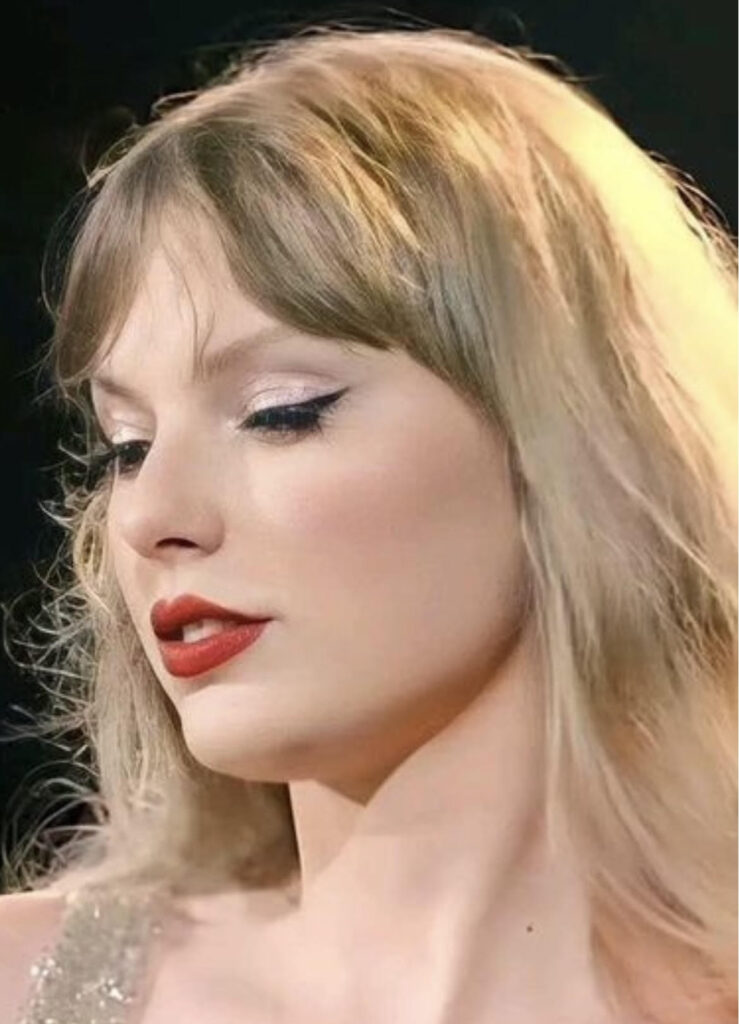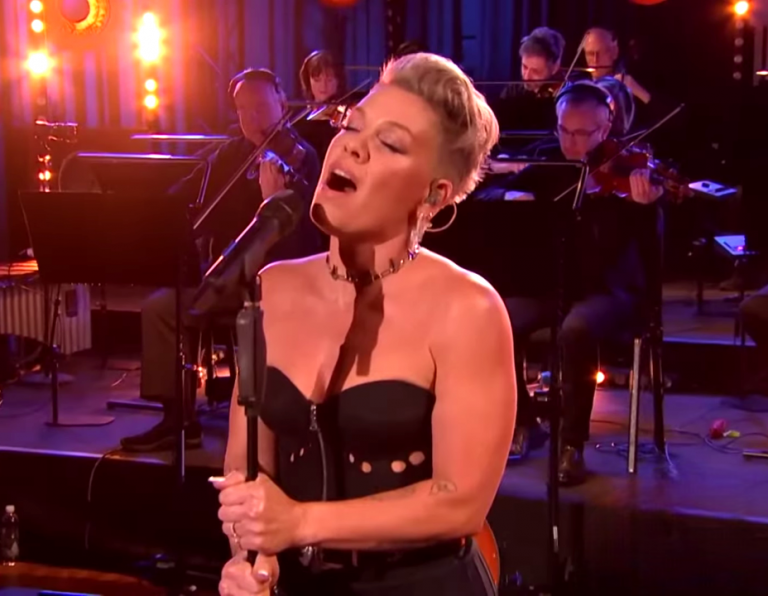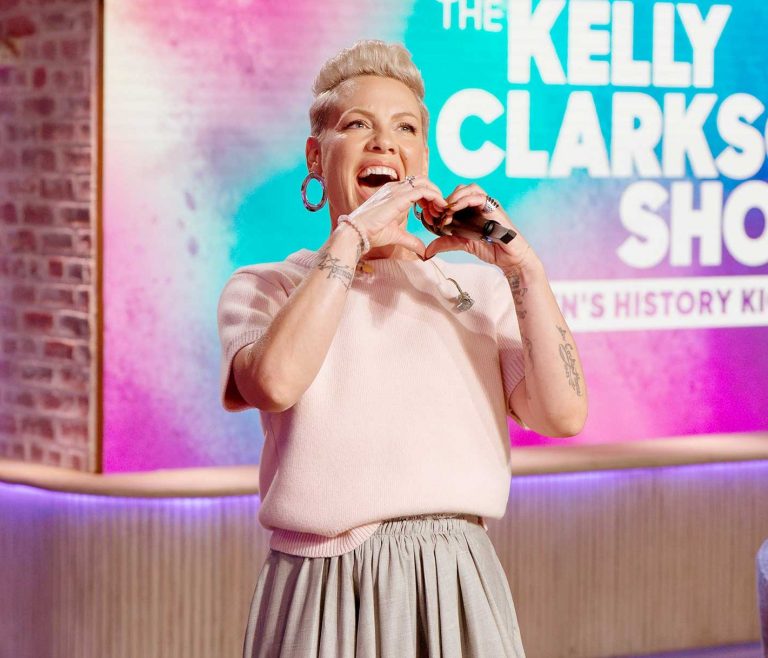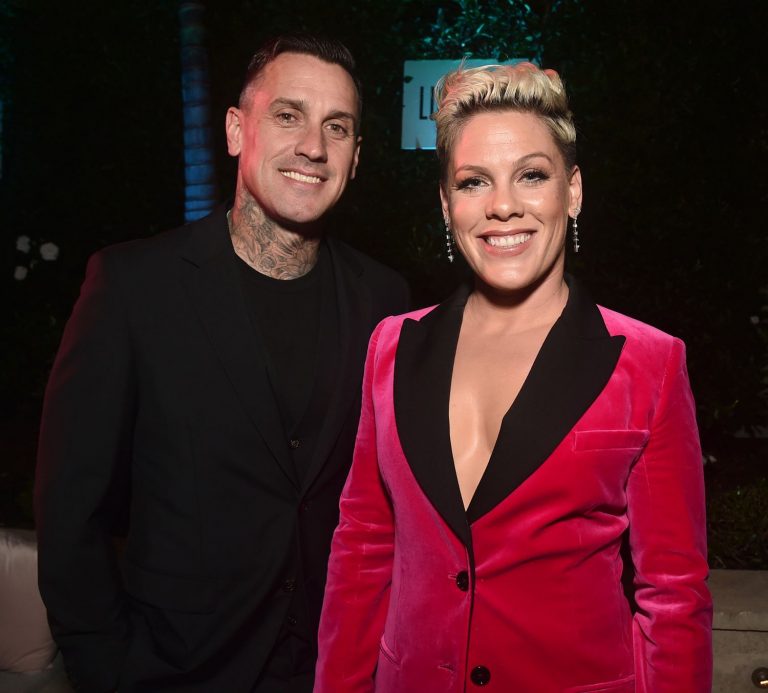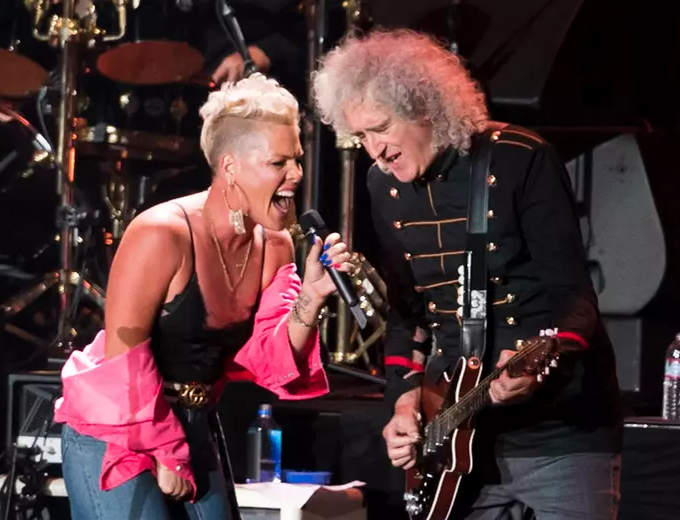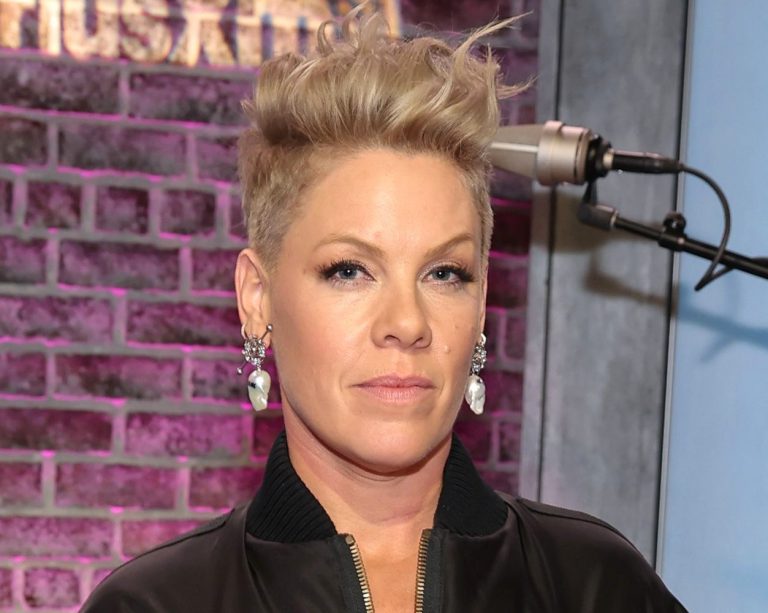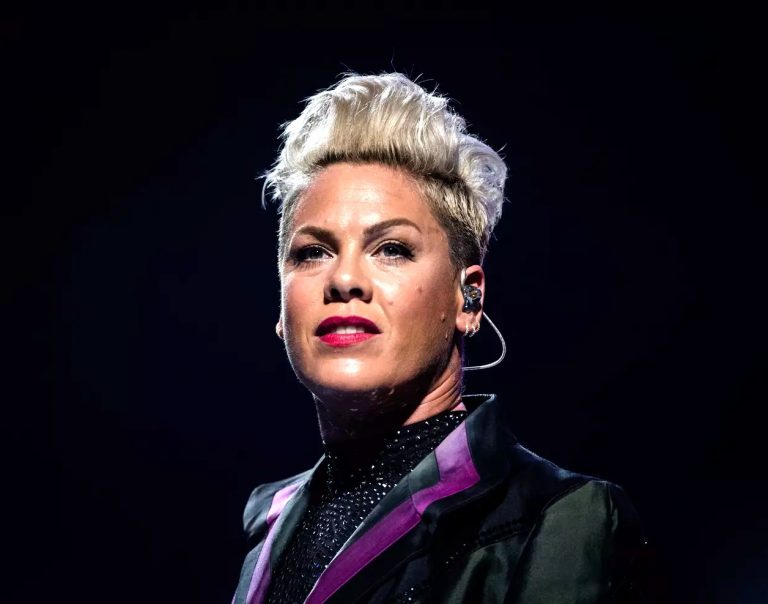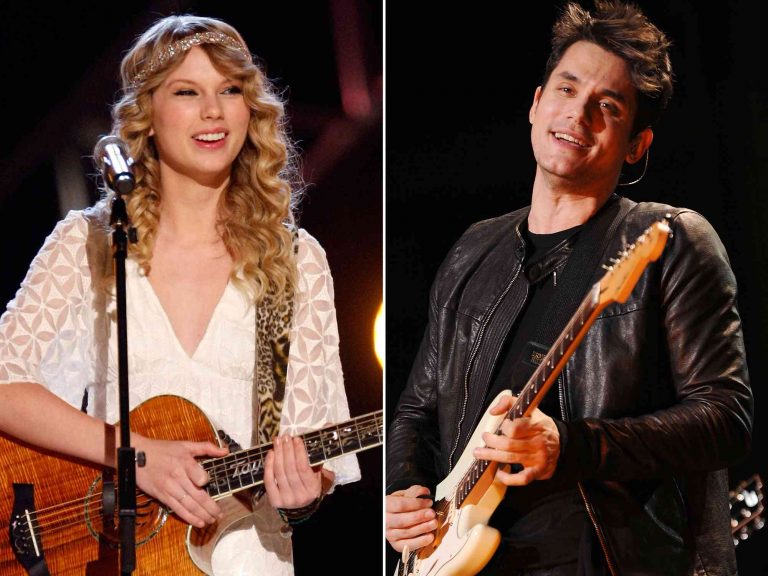
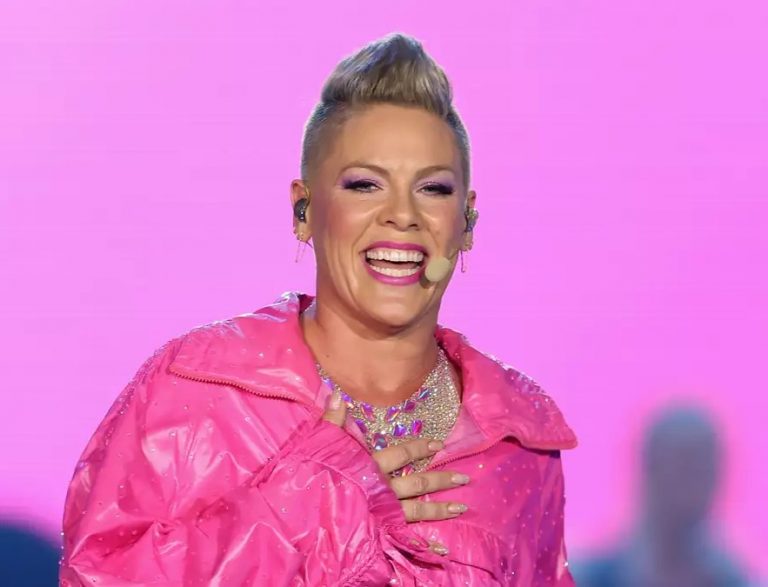
At a powerful tribute concert, P!nk stepped onto the stage alongside legendary Queen guitarist Brian May and the Foo Fighters to perform “Somebody To Love.” From the first note, it felt like a celebration of rock history.
P!nk surprised many with her vocal strength—she didn’t just sing the song, she owned it. Her voice soared through the high notes, full of emotion and confidence, honoring Freddie Mercury without trying to copy him. Brian May’s iconic guitar tone brought the true Queen spirit, while the Foo Fighters delivered a solid, energetic backing that pushed the performance to another level.
What made the moment unforgettable was the combination of talent: a modern pop-rock star, a rock band known for their intensity, and a living legend from Queen, all united on one stage. The audience could feel the respect, love, and joy in their performance.
It wasn’t just a cover—it was a tribute fueled by passion, musical fire, and the shared belief that great songs live forever.
At the 2020 BRIT Awards in London, Harry Styles delivered a deeply emotional performance of his hit song “Falling.” The stage was simple, dark, and intimate, putting all the focus on Harry’s voice and the raw emotion of the song.
As the piano began, Harry’s voice floated over the audience, soft and vulnerable. Each note felt personal, as if he was sharing a private story with everyone watching. The lyrics about love, regret, and self-reflection came alive, making the moment feel honest and heartfelt.
The performance was quiet but powerful. Harry didn’t rely on flashy effects or dancers—he let the song speak for itself. Fans and viewers alike were captivated by the sincerity in his delivery, showing once again why Harry Styles is celebrated not just as a pop star, but as an artist with depth.
By the end, the applause was thunderous. The performance reminded everyone that sometimes, simplicity and honesty create the most unforgettable moments on stage.
For years, Mike Yung sang in the New York City subway. His voice was rich, soulful, and filled with emotion. Commuters would stop, listen, and often forget they were in a busy station. But one day, everything changed.
Someone recorded Mike performing “Unchained Melody”—that classic song known for its deep feeling and soaring notes. In the video, Mike sang with total passion. He didn’t just perform; he poured his heart out, hitting every note with power and honesty.
The clip spread across the internet like wildfire. Within days, it reached a worldwide audience of more than 19 million people. Fans from all over the globe were shocked to learn that a voice like his came from a man singing underground to strangers passing by.
This moment didn’t just go viral—it changed Mike Yung’s life. He was invited to perform on bigger stages, including television appearances and concerts. The world finally got to see what New Yorkers had known for years: Mike wasn’t just a subway singer. He was an artist with a voice full of soul, pain, and hope.
Today, his story stands as a reminder that talent can bloom anywhere. Even in the busy rush of a subway station, a single performance can lift someone from the underground and into the spotlight—one unforgettable note at a time.
In 1972, Pink Floyd filmed a special performance inside the ancient amphitheatre of Pompeii. There was no audience, only the band, their instruments, and the quiet ruins of a city frozen in time. The result became one of the most unique music films ever made.
Their song “One of These Days” begins with a powerful bass line from Roger Waters, repeating like a heartbeat. Nick Mason’s drums punch through the silence, while David Gilmour’s guitar adds sharp, echoing sounds. The music builds slowly, growing darker and more intense.
What makes the video unforgettable is the contrast: modern rock music performed in a place over 2,000 years old. The empty seats around them make every note feel even stronger. It’s not just a concert—it’s an atmosphere.
The film shows Pink Floyd at their creative peak—bold, experimental, and not afraid to do something different. Even today, the “One of These Days” performance at Pompeii still feels timeless and powerful.
On BBC’s The Assembly, a group of young performers surprised actor Michael Sheen with a heartfelt rendition of “Here Comes the Sun” by The Beatles. The show brings students together with inspiring public figures, and this moment became one of the most emotional highlights of the series.
As the first soft guitar notes began, the room grew quiet. The performers didn’t try to imitate the original— instead, they sang with gentle harmony and warm energy. Their voices blended beautifully, creating a calm, hopeful atmosphere. Michael Sheen listened closely, a smile slowly spreading across his face.
The song choice felt perfect. “Here Comes the Sun” isn’t just a classic; it is a message of comfort, healing, and brighter days ahead. The students understood this, and they delivered it with sincerity. You could see how much it mattered to them, not just as a performance, but as a gift to their guest.
Michael Sheen’s reaction made the moment even more meaningful. He looked touched, almost emotional, thanking the group afterward and praising their talent. The performance wasn’t flashy—no big stage lights or dramatic choreography—just honest music shared from one generation to another.
It became a reminder of why music can connect people so strongly. On The Assembly, in front of a beloved actor, a simple song from the 1960s suddenly felt brand new again. And for everyone watching, it was a small sunrise of its own.
One of the most powerful parts of the episode came not from the performance itself, but from the interviewer’s question to Michael Sheen. After listening to the students sing “Here Comes the Sun,” the conversation shifted to something deeper. Instead of asking about fame or acting, the interviewer asked Sheen a simple but meaningful question:
“What do you think young people should believe in today?”
The room fell quiet. It wasn’t a typical celebrity question—it was a question about values, hope, and the future. Michael Sheen did not rush his answer. He paused, smiled softly, and spoke from the heart.
He told the students that they should believe in themselves and their ability to create change, even when the world feels uncertain. He reminded them that adults do not always have the answers, and that young people often see problems more clearly and approach them with fresh ideas. Sheen explained that every voice matters, especially the voices that are usually ignored.
What made his response special was his honesty. He didn’t talk like a Hollywood star giving a speech—he spoke like a mentor, someone who understood what it feels like to be unsure or afraid. He encouraged them to care for each other, to be kind, and to take action in their own communities.
The interviewer’s question opened a door to something real. It turned the show from a fun celebrity visit into a moment of connection and inspiration. For the students, it was a reminder that being young is not a disadvantage—it is a source of strength. And for Michael Sheen, it was a chance to show why he is loved not only as an actor, but as a deeply thoughtful human being.
When Paul Anka stepped onto the stage of Jimmy Kimmel Live, it felt like music history walking into the spotlight. The legendary singer, who actually wrote the English lyrics to “My Way” decades ago, sang the timeless classic with a calm confidence that only experience can bring.
The performance began gently, with Anka’s voice smooth and steady. Instead of trying to copy Frank Sinatra’s famous version, he delivered it in his own style—relaxed, elegant, and filled with maturity. Every line sounded like a reflection of someone who had lived a full life, faced challenges, and still stood strong.
As the music built, Anka didn’t rush or push. He let the words breathe. The audience listened closely, quiet and focused, as if they were hearing the song for the first time. You could feel the meaning behind each lyric—especially the powerful ending where the singer looks back and declares he lived on his own terms.
By the final notes, the studio erupted in applause. It was more than a performance—it was a reminder of why this song remains iconic. Paul Anka’s version on Jimmy Kimmel Live showed that “My Way” isn’t just a classic from the past; it is a personal statement, still alive, still moving, and still able to touch hearts.
Paul Anka’s connection to “My Way” goes deeper than many people realize. In the 1960s, he heard a French song called “Comme d’habitude.” The melody grabbed his attention, but the lyrics didn’t match the spirit he wanted. Anka purchased the adaptation rights, rewrote the lyrics in English, and tailored them especially for Frank Sinatra. He imagined a man looking back on his life with pride, regret, and honesty. When Sinatra recorded it in 1969, “My Way” became one of the most iconic songs in music history. The remarkable part? Anka didn’t sing the first famous version—he created the words that turned it into a legend.
Paul Anka’s life was not just about music—it was also about the unique people who surrounded him. During his career, he became friends with many cultural icons. One of the most surprising stories he has shared is about Andy Warhol and Michael Jackson being houseguests at his home. Warhol, the mastermind behind modern pop art, often brought an unusual calmness, quietly observing everything around him. Michael Jackson, still young and shy, would play music or talk late into the night about melodies and performing. Anka would describe these moments not as glamorous gatherings, but as artists inspiring each other in private, away from the spotlight.
Even in the modern era, Paul Anka continues to connect with new audiences. Despite being a legend from another generation, he has become a surprising TikTok sensation. Clips of young people discovering his music, reacting to “Put Your Head on My Shoulder,” or using his songs in romantic edits have gone viral. Instead of ignoring the trend, Anka embraced it. He laughs about it in interviews, amazed that teenagers in 2020s bedrooms are falling in love to a song he wrote when he was barely out of his teens himself. His response is warm and grateful—he sees it as proof that good music never truly ages.
Paul Anka remains a bridge between eras: a songwriter who gave Sinatra one of his greatest moments, a host to legends of art and pop culture, and now a global voice rediscovered by a new generation online. Whether on a TV stage like Jimmy Kimmel Live or on millions of phones through TikTok, his music continues to find its way into people’s lives—always in his own unique style.
At the 57th Annual CMA Awards, Jelly Roll opened the night with a performance that felt raw, powerful, and deeply human. He began singing “Need A Favor,” a song about calling out for help when life feels overwhelming. His gritty voice echoed through the arena, capturing the emotion that has made him one of country music’s most relatable new stars.
Then came the surprise. As the chorus rose, Wynonna Judd stepped onto the stage. The crowd erupted with excitement. Wynonna, a country legend with decades of history, locked eyes with Jelly Roll and joined him in a soulful harmony. Their voices blended beautifully—his rough and urgent, hers rich and steady—creating a performance that felt like a meeting of generations.
Wynonna wasn’t just a guest; she was a guiding force. At moments, she placed a hand on Jelly Roll’s back, grounding the performance with calm confidence and emotional strength. It was as if she was reminding him, and everyone watching, that even powerful songs need a touch of heart.
Together, they turned “Need A Favor” into more than just an anthem. It became a story of redemption, vulnerability, and unity. The audience stood, applauding not only the music, but the connection between two artists who came from different times and different paths—yet shared the same message of hope.
It was one of the night’s most unforgettable moments, showing that country music is at its best when it brings voices together to lift the spirit.
Tony Bennett and Lady Gaga’s performance of “I’ve Got You Under My Skin” on MTV Unplugged was a warm tribute to classic jazz. The song, originally made famous by Frank Sinatra, became something new when these two artists shared the stage.
The moment felt intimate. There were no big lights, no heavy effects—just a small band, deep shadows, and pure music. Tony’s timeless voice moved with calm confidence, while Gaga surprised many viewers with her elegant jazz phrasing. She didn’t shout or show off; instead, she sang with respect and style, blending smoothly with Tony’s relaxed delivery.
Their chemistry made the performance unforgettable. They looked at each other like old friends telling a story together. Every line felt playful, romantic, and filled with genuine joy. It showed how two artists from different generations could meet in the same world of melody and emotion.
The audience stayed quiet and attentive, as if they were watching history happen in real time. When the song ended, applause burst like a wave—warm and grateful. It was more than just a duet; it was a celebration of jazz, respect, and artistic friendship.
On CMT Crossroads, Sheryl Crow and Emmylou Harris delivered a heartfelt duet of “Nobody’s Perfect,” turning the stage into a warm, emotional space where two generations of country-inspired voices met with complete harmony.
Sheryl Crow opened the song with her familiar, smooth tone. Singing about mistakes and second chances, she set a gentle mood that felt honest and relatable. Her guitar work was steady and light, giving the song a soft foundation. Then Emmylou Harris entered—her voice slightly older, beautifully textured, and filled with experience. She didn’t try to overpower the track; instead, she slipped into it like someone telling a story they’ve lived through.
What made the performance special was how the two artists shared the spotlight. They sang side by side, trading lines and blending their voices on the chorus. Sheryl brought the relaxed energy of a modern singer-songwriter, while Emmylou added a classic country calmness. Their harmonies sounded effortless, like two friends talking about life’s ups and downs.
The audience could feel the message: everyone makes mistakes, and nobody has to be perfect to be loved. The song wasn’t flashy or dramatic—it was tender, human, and sincere. In just a few minutes, Sheryl Crow and Emmylou Harris reminded everyone why great music isn’t about perfection—it’s about truth and connection.
“I Hate You Then I Love You” is one of the most dramatic songs on Céline Dion’s 1997 album Let’s Talk About Love. It brings two powerful voices together: Céline, the queen of emotional pop, and Luciano Pavarotti, the legendary opera tenor.
The song begins softly with Céline. Her voice is clear and controlled, explaining the pain of a complicated love. Then Pavarotti enters, his tone booming and full of passion. Their contrast is immediate—she sings like a conversation, he sings like a grand opera performance.
As the music builds, their voices start “arguing.” Céline pushes harder, matching Pavarotti’s energy. The orchestra swells with strings and percussion, mirroring the tension. The lyrics repeat a cycle of love and frustration: “I hate you… then I love you.” You can feel the relationship twisting back and forth.
In the final section, they blend instead of clash. Céline soars into high notes, and Pavarotti meets her with powerful harmonies. It feels like two different worlds finally agreeing. The ending fades gently, as if both characters are tired but still holding on to love.
Short, intense, and unforgettable—this duet shows how two opposite voices can create a single, passionate story.