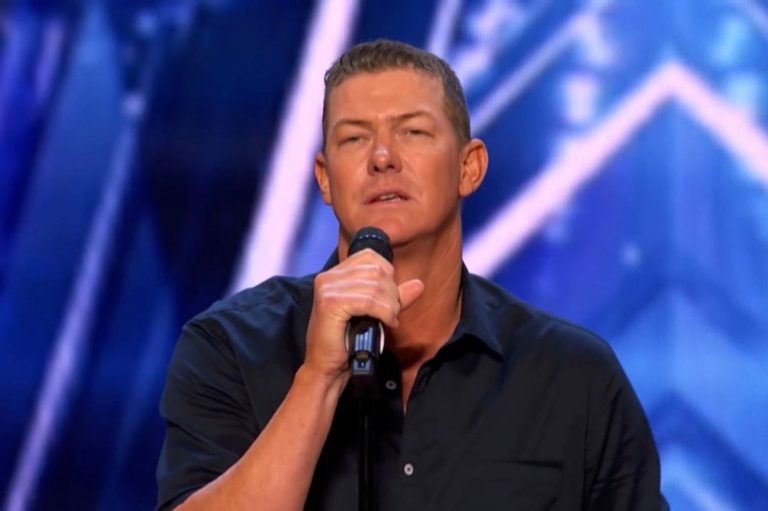
Matt Mauser delivered an emotional and unforgettable performance after opening up about the tragic loss of his wife in a helicopter crash. Standing on stage, he shared his deeply personal story with honesty and strength, allowing the audience to understand the pain he has carried since that heartbreaking day.
When Matt began singing “Against All Odds (Take a Look at Me Now)” by Phil Collins, every word felt deeply personal. His voice carried raw emotion, turning the song into a powerful tribute to love, loss, and resilience. Rather than simply performing, he poured his heart into every note, making the moment incredibly moving.
The song’s lyrics, which speak about heartbreak and longing, matched his story perfectly. As he sang, it was clear that music had become a way for him to heal and honor the memory of his wife. Many listeners were left visibly emotional, touched by his courage and honesty.
Matt Mauser’s performance was more than just a song—it was a reminder of the strength it takes to keep going after unimaginable loss. Through his voice and vulnerability, he showed that even in deep pain, music can offer comfort, connection, and hope.
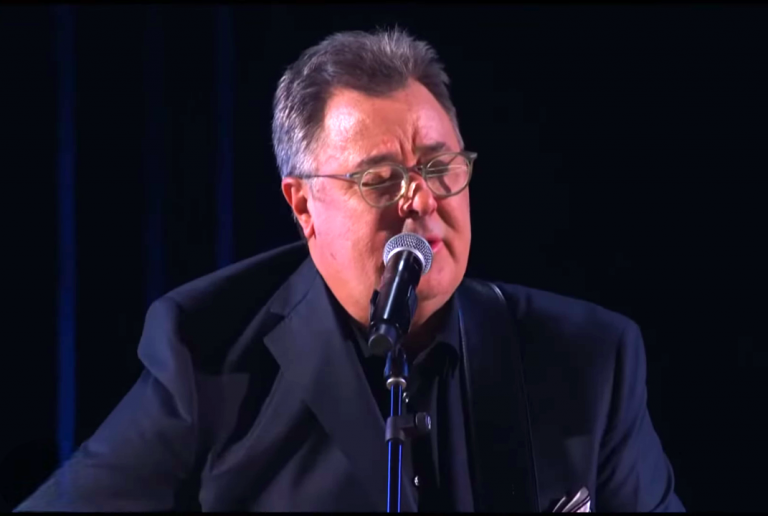
The air in the Grand Ole Opry House, already thick with a century’s worth of history and applause, grew still and sacred as Vince Gill gently rested his fingers on the strings of his acoustic guitar. It was a night celebrating the Opry’s 100th birthday, a milestone of entertainment, but what followed was a profound moment of shared humanity.
Gill, his voice a familiar instrument of both joy and ache, introduced his next song not as a setlist item, but as a personal offering. He dedicated his timeless ballad, “Go Rest High on That Mountain,” to his beloved mother, Jerene Gill, and his older brother, Bob Gill, who had passed just the year before—a grief still fresh and tender.
As the first, mournful notes of the dobro, often likened to a crying voice, wove through the silence, the song’s well-known purpose as a gospel-tinged eulogy transformed into something even more intimate. Gill’s performance was not a spectacle but a visitation; his eyes often closed, each line—“Your work on earth is done”—was sung with the weary gratitude of a son who had said goodbye, and “Go to heaven a-shoutin’” with the fragile hope of a believer.
You could hear the specific love for his mother’s guidance and his brother’s camaraderie in every strained, honest note. In that iconic circle of wood on the Opry stage, a space that has launched countless careers, Gill did something rarer: he bridged the earthly and the divine, using the public stage for a private sacrament.
He offered the audience not just a performance, but a window into the very heartache and faith that makes country music resonate—turning a celebration of an institution’s past into a timeless, tear-streaked reminder of the love that outlasts life itself.
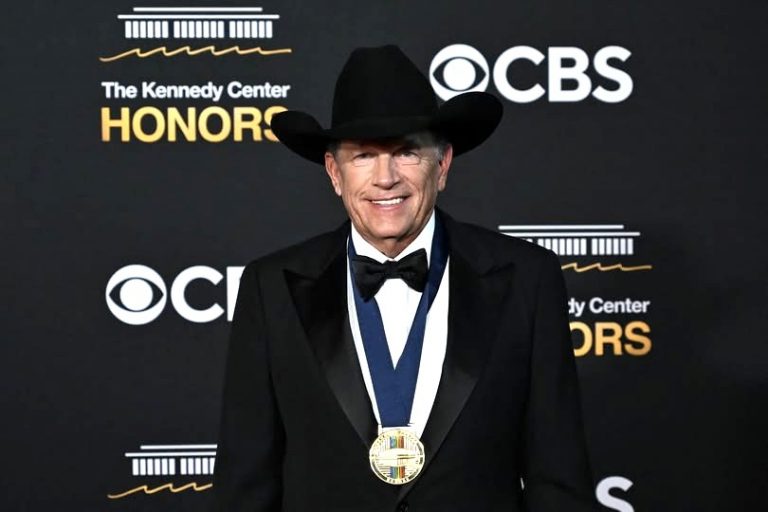
At the prestigious Kennedy Center Honors, country music’s biggest stars came together to celebrate one of the genre’s most beloved icons: George Strait, often called the “King of Country.” The tribute was filled with powerful performances, heartfelt speeches, and unforgettable moments that showed just how much Strait has influenced artists and fans around the world.
Artists from different generations performed some of George Strait’s most famous songs, each adding their own style while honoring his legacy. From emotional ballads to lively western classics, the music captured the spirit of Strait’s long and successful career. Many performers shared personal stories during the evening, recalling how his music shaped their own journeys in country music.
Country duo Brooks & Dunn kicked off the tribute to George Strait at the Kennedy Center Honors with a heartfelt performance of one of his most beloved songs, “Amarillo By Morning.” Their rendition captured the essence of Strait’s smooth vocals and timeless style, setting a powerful tone for the evening’s celebration.
https://www.facebook.com/reel/1398673321606845
As Brooks & Dunn sang, George Strait stood on stage watching, visibly moved and misty-eyed, showing just how much the music—and the tribute—meant to him. The moment highlighted the deep respect and admiration his fellow artists have for him, making it one of the most touching parts of the night.
Also contributing to the Kennedy Center Honors tribute to George Strait was Miranda Lambert, who delivered a stirring performance of “Run.” Known for her powerful voice and emotional delivery, Lambert brought new energy to the song while staying true to its heart and spirit.
Her performance added depth and passion to the tribute, showing her deep respect for Strait’s influence on country music. As she sang, the audience felt both the strength of her voice and the timeless quality of the song, making her contribution one of the night’s standout moments and a beautiful part of honoring the “King of Country.”
Few people expected George Strait to attend the CMA Awards, which made his presence even more memorable.
Before the Kennedy Center Honors, though, the secret was out when Vince Gill and Strait were spotted together on the red carpet, sparking excitement among fans.
Gill’s rendition of “Troubadour” was deeply moving and heartfelt, clearly reflecting his admiration and respect for Strait. Every note and lyric felt like a personal tribute to the country music legend.
You can watch the official music video for “Troubadour,” which features photos of Strait throughout his career, and stay tuned for a video of Gill performing the song live at the Kennedy Center Honors. We’ll share it as soon as it becomes available.
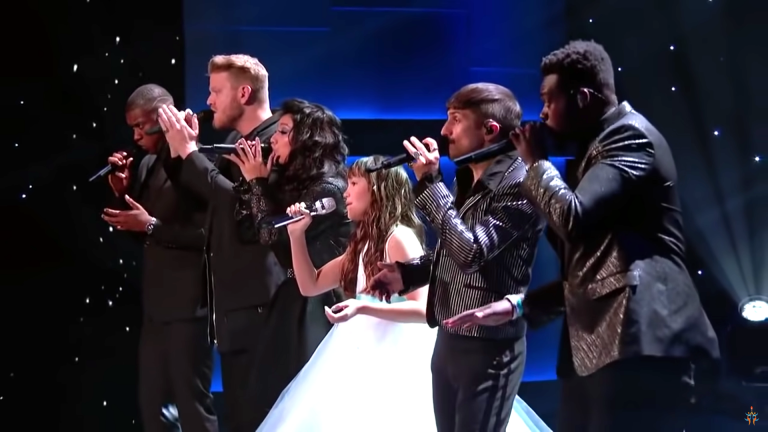
A young girl once believed to be non-verbal amazed the world with a powerful and emotional performance of a Leonard Cohen song alongside the famous vocal group Pentatonix. What began as a quiet moment quickly turned into something truly unforgettable, as her voice filled the room with confidence, emotion, and beauty.
Many people were moved not only by her singing, but by her journey. Being labeled as non-verbal made her performance even more meaningful, showing how music can unlock hidden voices and give people a powerful way to express themselves. Her clear tone and heartfelt delivery blended beautifully with Pentatonix’s rich harmonies, creating a moment full of hope and inspiration.
The performance reminded audiences that music has no limits. It can break barriers, build confidence, and give everyone a chance to be heard. This unforgettable rendition of a Leonard Cohen classic proved that talent can shine in the most unexpected and inspiring ways.
The official video of the Killard House Special School Choir performing “Hallelujah” is a deeply moving and inspiring moment that touched millions around the world. Led by young singer Kaylee Rodgers, the performance shows her confidently singing Leonard Cohen’s classic while supported by her classmates, creating a powerful sense of unity and emotion.
Recorded during a school Christmas event, the video became widely shared for its honesty, warmth, and the courage shown by the children involved. Kaylee’s clear voice and joyful expression, combined with the gentle harmonies of the choir, remind viewers of the power of music to uplift, connect, and give confidence to those who need it most.
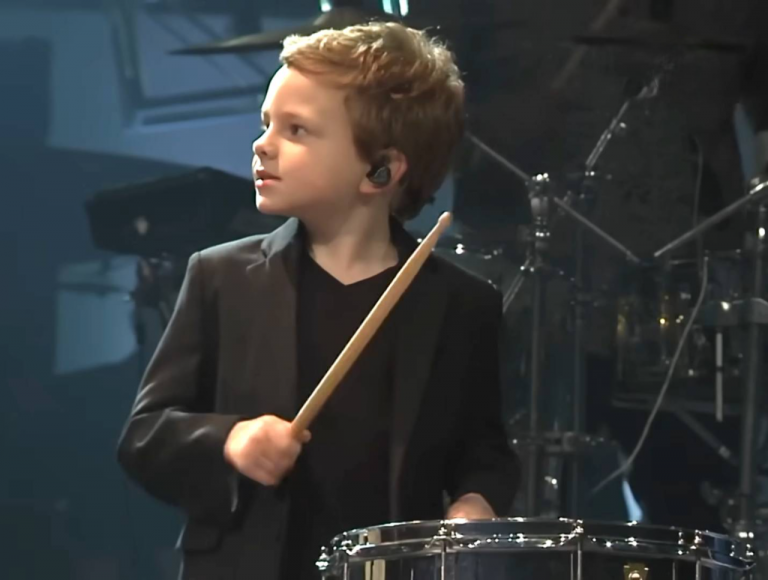
“Little Drummer Boy” comes to life in a beautiful and heartfelt way during the live performance at Hope Church. The familiar Christmas song is filled with warmth, emotion, and a peaceful spirit that instantly connects with the audience. From the first soft notes to the powerful ending, the performance creates a calm and meaningful atmosphere.
The singers and musicians deliver the song with sincerity, focusing on its simple message of giving what you can from the heart. The gentle rhythm, combined with strong vocals and uplifting harmonies, makes the performance both moving and memorable. The setting of Hope Church adds to the feeling of togetherness, making the song feel personal and inspiring.
This live version of “Little Drummer Boy” reminds listeners of the true meaning of the season—humility, faith, and hope. It’s a beautiful performance that touches the heart and leaves a lasting impression.
“Little Drummer Boy” was performed live at Christmas with Hope 2023, creating a truly heartwarming moment during the holiday celebration. This performance stood out not only for its beautiful music, but also for the spirit of joy and unity it brought to everyone watching and listening.
The song begins gently, with the soft sound of percussion that perfectly matches the story of the little drummer boy who plays his drum for the newborn king. The singers delivered the lyrics with emotion and sincerity, drawing the audience into the timeless message of giving and love. As the performance grew, so did the voices and instruments, creating a powerful and moving musical experience.
The setting of Christmas with Hope 2023 added even more meaning to the performance. Surrounded by festive lights, joyful faces, and the warmth of the season, the song shared a message of peace, hope, and togetherness. The audience responded with smiles and applause, connecting deeply with the performance’s emotion.
This live version of “Little Drummer Boy” at Christmas with Hope 2023 became more than just a musical moment—it became a reminder of the true meaning of Christmas: sharing joy, giving from the heart, and celebrating with loved ones.
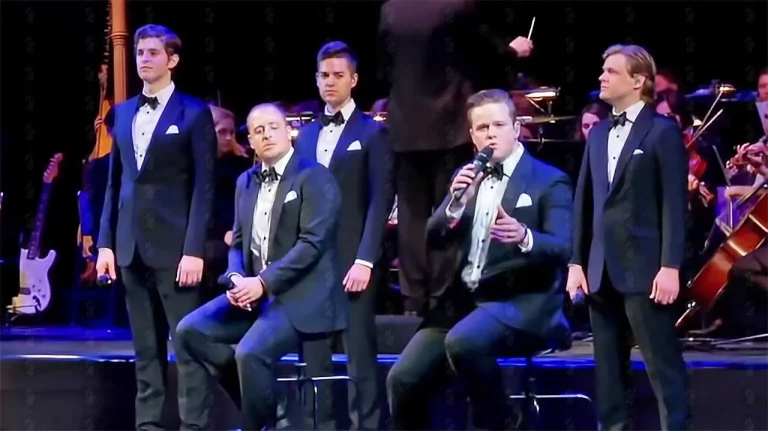
The Ten Tenors deliver a powerful and emotional version of Leonard Cohen’s famous song “Hallelujah.” Known for blending classical opera voices with popular music, the group brings a rich and moving sound to this timeless ballad. Their harmonies add depth and warmth, making the song feel both grand and deeply personal at the same time.
Each tenor brings his own tone and emotion, creating a beautiful balance between strength and softness. The performance builds gently, allowing the lyrics to shine while the voices rise together in a powerful climax. The Ten Tenors’ version of “Hallelujah” shows how a well-known song can feel fresh and meaningful again, touching listeners with its emotion, unity, and pure vocal beauty.
The Ten Tenors deliver an exciting and unforgettable live performance of “Bohemian Rhapsody,” paying tribute to Queen’s legendary masterpiece. Known for blending classical opera with modern pop and rock, the group brings a fresh and powerful twist to one of the most iconic songs in music history. Their rich harmonies and dramatic vocal range perfectly match the song’s emotional shifts—from soft ballad moments to explosive rock sections.
During the live performance, each tenor takes turns shining, showcasing strong solo vocals while the group’s harmonies add depth and intensity. The operatic section feels especially natural for The Ten Tenors, highlighting their classical training and theatrical stage presence. Backed by a dynamic arrangement, the performance captures both the grandeur of Queen’s original and the unique energy of a live concert.
This version of “Bohemian Rhapsody” proves why The Ten Tenors are loved worldwide. They honor Freddie Mercury’s legacy while adding their own powerful style, creating a performance that is thrilling, emotional, and unforgettable for audiences of all ages.
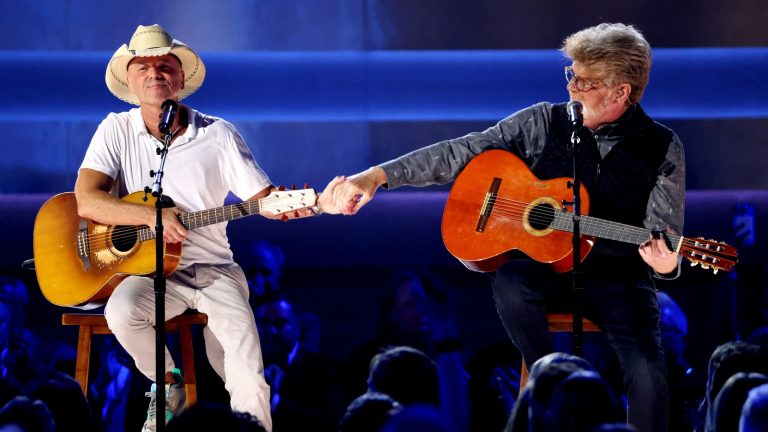
At the CMA Awards, a heartfelt tribute was held to honor the late Jimmy Buffett, one of country and pop music’s most beloved storytellers. The special performance brought together Kenny Chesney, Mac McAnally, Zac Brown Band, and Alan Jackson, all close friends and longtime admirers of Buffett’s music and spirit.
The tribute celebrated Jimmy Buffett’s joyful legacy, filled with beachside dreams, freedom, and storytelling that made millions feel at home. The artists performed with warmth and respect, capturing the relaxed, island-style feeling that made Buffett so unique. Each performer brought their own voice and emotion, while still staying true to the easygoing spirit that defined Buffett’s career.
Kenny Chesney, who often credited Buffett as a major influence, delivered his part with deep emotion. Mac McAnally, one of Buffett’s closest collaborators, added heartfelt authenticity to the moment. Zac Brown Band brought rich harmonies and energy, while Alan Jackson’s calm and timeless presence gave the tribute a powerful sense of tradition and respect.
The performance was more than just a song — it was a celebration of a life that brought happiness, escape, and meaning to generations of fans. The tribute reminded everyone why Jimmy Buffett’s music will continue to live on, long after the final note fades.
“Margaritaville – Live from Minneapolis 1993” is one of the most memorable performances in Jimmy Buffett’s long and joyful career. Recorded during one of his high-energy concert tours, the performance perfectly captures the carefree spirit that made Buffett a cultural icon. The Minneapolis crowd was fully engaged from the first note, singing along and turning the arena into a giant beach party, even in the middle of the Midwest.
In this live version, Buffett’s relaxed vocals and warm stage presence shine, showing why “Margaritaville” became more than just a song — it became a lifestyle. Backed by the Coral Reefer Band, he delivers the tune with playful humor, smooth rhythms, and the easygoing charm that defined his live shows. The audience’s loud sing-along during the famous chorus adds to the magic, making the performance feel personal and joyful.
The 1993 Minneapolis performance is often remembered as a perfect example of Buffett’s ability to bring people together. It captured the essence of escape, friendship, and simple happiness that his music stood for. Even decades later, this version of “Margaritaville” remains a fan favorite and a timeless reminder of Jimmy Buffett’s lasting influence on music and culture.
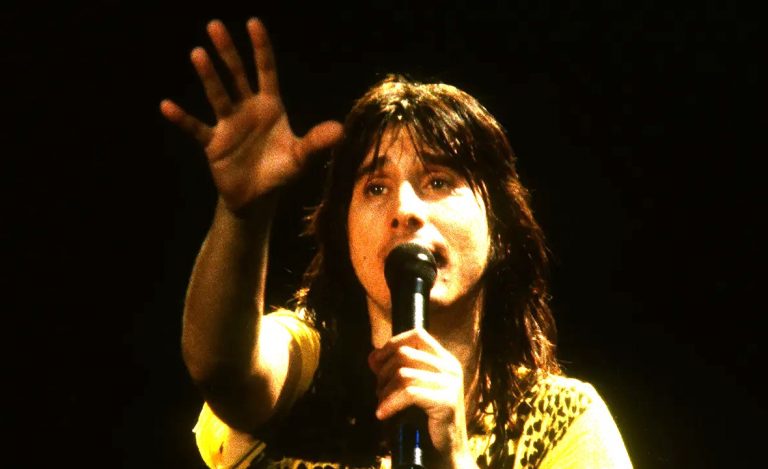
When Journey performed “Don’t Stop Believin’” live in 1981, the band delivered a moment that would go down in rock history — and at the center of it all was Steve Perry’s extraordinary voice. Even decades later, this performance is still remembered as one of the finest examples of live rock vocals ever recorded.
From the very first line, Perry’s voice sounds clear, powerful, and full of emotion. His control and range are remarkable, moving effortlessly from soft, emotional verses to soaring high notes in the chorus. What makes the performance even more impressive is how natural it feels — there’s no strain, no hesitation, just pure confidence and passion.
As the song builds, Perry’s voice cuts through the music with incredible precision. The way he holds long notes and delivers each lyric with feeling shows why he earned the nickname “The Voice.” Backed by Journey’s tight musicianship, especially Neal Schon’s soaring guitar and Jonathan Cain’s iconic keyboard intro, the performance becomes unforgettable.
This 1981 live version of “Don’t Stop Believin’” captures Journey at their absolute peak. It reminds fans why the song has stood the test of time and why Steve Perry remains one of the greatest rock vocalists of all time. Even today, his performance continues to inspire singers and move audiences around the world.
Another unforgettable highlight from Journey’s legendary Escape tour is “Who’s Crying Now,” captured live in 1981 and later restored in stunning 2022 HD quality. This performance shows the band at the absolute height of their powers, delivering a perfect blend of emotion, musicianship, and arena-filling energy.
Steve Perry’s vocals are the true centerpiece of the song. His smooth, soulful tone carries both heartbreak and strength, making every lyric feel deeply personal. He moves effortlessly between gentle phrasing and powerful high notes, proving once again why his voice remains one of the most admired in rock history.
The band’s chemistry is on full display during this performance. Neal Schon’s expressive guitar work adds emotional depth, while Jonathan Cain’s keyboard melodies create the song’s signature atmosphere. The rhythm section keeps everything tight and steady, allowing the song to build naturally toward its emotional peak.
The 2022 HD remaster brings new life to this classic performance, with clearer sound and sharper visuals that let fans fully appreciate the energy of Journey’s live show. “Who’s Crying Now” stands as a timeless reminder of the band’s greatness and the magic they created on stage during the Escape era.
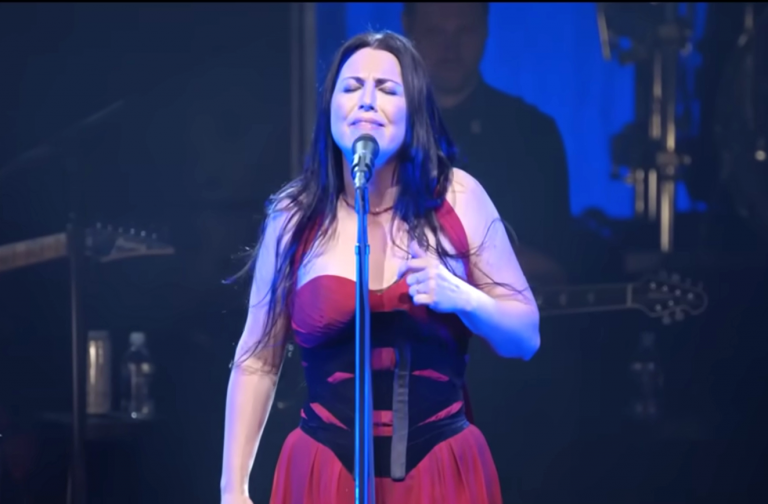
Amy Lee has once again reminded the world why she is one of the most powerful voices in modern rock. Her orchestral performance of “My Immortal” gave fans a fresh and deeply emotional version of the beloved Evanescence classic. With sweeping strings and a haunting atmosphere, the song felt more dramatic and personal than ever before.
Stripped of heavy guitars and driven by a full orchestra, Amy’s voice took center stage. Every note carried deep emotion, showing the pain, vulnerability, and beauty behind the lyrics. Her vocals sounded stronger and more mature, proving how much she has grown as an artist over the years.
The orchestral arrangement added a cinematic feeling to the song, turning it into something almost timeless. Fans were especially moved by how Amy allowed moments of silence and softness to speak just as loudly as the powerful crescendos. It felt less like a performance and more like a heartfelt confession.
For longtime Evanescence fans, this version of “My Immortal” was both nostalgic and refreshing. It honored the original while offering a new emotional depth. Amy Lee’s spellbinding performance once again proved why her voice continues to captivate audiences around the world.
Another standout moment from the Synthesis Live concert is Evanescence’s powerful performance of “Bring Me To Life.” In this special 4K remastered version, the iconic song is completely transformed through a grand orchestral arrangement. Instead of the heavy rock sound fans are used to, the song is reborn with sweeping strings, dramatic piano lines, and cinematic depth.
Amy Lee’s vocals shine brighter than ever in this performance. Her voice moves effortlessly between soft emotion and powerful intensity, showing her full vocal range and emotional control. Without relying on heavy guitars, the song feels more haunting and dramatic, allowing listeners to focus on the meaning behind the lyrics.
The orchestra adds a new layer of elegance and emotion, turning “Bring Me To Life” into a theatrical experience rather than just a rock anthem. The 4K remastered visuals make the performance even more stunning, capturing every expression and moment on stage.
This version proves that “Bring Me To Life” is not just a hit song, but a timeless piece of music that continues to evolve. Through the Synthesis project, Evanescence showed how powerful their music can be when blended with orchestral beauty and artistic maturity.
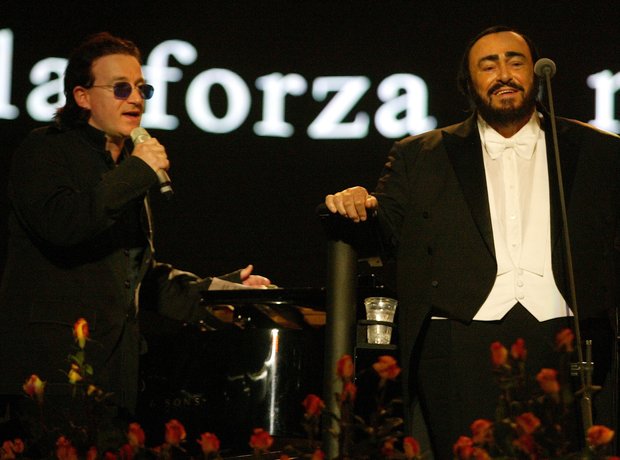
When Luciano Pavarotti joined forces with Bono for the song “Miss Sarajevo,” the result was a powerful musical moment that still touches hearts today. Released in 1995 by the band Passengers (a side project of U2), the song was created to highlight the suffering of people during the Bosnian War. What made it unforgettable, however, was the emotional contrast between Bono’s raw vocals and Pavarotti’s breathtaking operatic voice.
Pavarotti’s entrance in the song feels almost heavenly. His powerful tenor rises above the music with grace, control, and deep emotion, turning the track into something far more than a pop or rock song. Singing in Italian, he brings a sense of beauty and dignity to a story filled with pain and loss. Even listeners who do not understand the language can feel the emotion in every note he sings.
What truly proves Pavarotti’s greatness is how effortlessly he connected classical opera with modern music. He didn’t overpower the song — instead, he elevated it. His voice carried hope, sorrow, and humanity all at once, reminding the world why he was known as “The King of the High Cs.”
“Miss Sarajevo” remains one of the most powerful musical collaborations ever recorded. It shows that Pavarotti was not just an opera legend, but a global artist who could move people across genres, cultures, and generations. His performance stands as a timeless example of why he will always be remembered as one of the greatest singers of all time.
Another unforgettable collaboration between Luciano Pavarotti and Bono was their moving performance of “Ave Maria.” This sacred piece allowed Pavarotti’s legendary operatic voice to shine in its purest form, while Bono added a gentle, emotional presence that respected the song’s spiritual depth. The combination of classical and modern vocal styles created a powerful atmosphere of peace, reflection, and hope.
Pavarotti’s voice in Ave Maria is calm yet commanding, filled with warmth and control that only a true master could deliver. Every note feels effortless, showing his perfect technique and deep emotional understanding of the music. Bono, known for his expressive and heartfelt singing, complemented Pavarotti beautifully without overpowering the sacred tone of the piece.
Together, their performance of Ave Maria proved once again that music has no boundaries. It showed how a world-famous opera legend and a rock singer could unite to create something deeply spiritual and timeless. Just like Miss Sarajevo, this collaboration stands as a powerful reminder of why Luciano Pavarotti remains one of the greatest voices the world has ever known.