Author

Rebaika

Browsing

Lainey Wilson kicked off the 2025 CMA Awards with a powerful, star-studded medley that paid tribute to some of country music’s most iconic voices. She opened with Chris Stapleton’s soulful “White Horse,” backed by Charlie Worsham, then ripped into the high-energy “Hillbilly Deluxe” by Brooks & Dunn.

Moving through the crowd, she joined Ella Langley to sing “You Look Like You Love Me” (Langley & Riley Green), then performed Gretchen Wilson’s anthem “Redneck Woman” while standing beside the original artist. She shifted gears into the emotional strains of Lady A’s “Need You Now,” followed by Miranda Lambert’s fierce “Gunpowder & Lead,” with Lambert herself singing along.

Keeping the momentum going, Lainey covered Shaboozey’s “A Bar Song (Tipsy),” then brought out Little Big Town for a stirring rendition of their hit “Girl Crush.” The grand finale came when Keith Urban joined her on stage to play guitar and sing his classic “Where the Blacktop Ends,” bringing the whole medley home in spectacular fashion.

The Goo Goo Dolls brought warmth and nostalgia to their first-ever NPR Tiny Desk Concert, delivering a close-up, heartfelt four-song set that highlighted both their classic hits and their newer work.

John Rzeznik, joined by Robby Takac and their touring band, opened with the lively fan favorite “Slide” before shifting into the softer, emotional mood of “Feel the Silence.” Rzeznik admitted he felt intimidated by the intimate space, joking that everyone could be on a first-name basis, which made the moment even more personal.

They then performed the newer track “Not Goodbye (Close My Eyes)” from their Summer Anthem EP, showing that the band still has fresh stories to tell. Finally, they closed with their timeless ballad “Iris,” inviting the small audience to sing along in one of the concert’s most touching moments.

With warm acoustic arrangements, gentle harmonies, and Rzeznik’s slightly rough but honest vocals, the Goo Goo Dolls turned the Tiny Desk into a quiet celebration of their music, proving that their songs still carry deep emotion and connection after all these years.

Twenty One Pilots delivered a powerful and unforgettable moment at the Rock & Roll Hall of Fame 2025 Induction when they took the stage to honor The White Stripes with a bold cover of “Seven Nation Army.” Tyler Joseph and Josh Dun stepped into the spotlight with deep respect for Jack and Meg White, even posting beforehand that they hoped to “give it every bit of justice it deserves.”

Their performance kept the song’s famous, thundering riff but added their own creative touch, with Tyler shifting to the keys for a dramatic twist and both members wearing face coverings designed like white stripes—symbolizing that the tribute wasn’t about them, but about the band they were honoring.

The audience reacted immediately, with artists like Flea giving a standing ovation, while earlier in the night Iggy Pop had already hyped the room by chanting the song’s iconic riff as he inducted The White Stripes. Jack White accepted the honor with an emotional speech, mentioning Meg’s involvement in writing parts of it and encouraging young musicians to keep creating with passion.

The night also featured Olivia Rodrigo and Feist performing “We’re Going to Be Friends,” making the entire tribute a full-circle celebration of The White Stripes’ influence. Twenty One Pilots’ intense, stylish, and thoughtful take on “Seven Nation Army” became one of the most talked-about performances of the evening, blending respect, creativity, and pure musical energy into one standout moment.

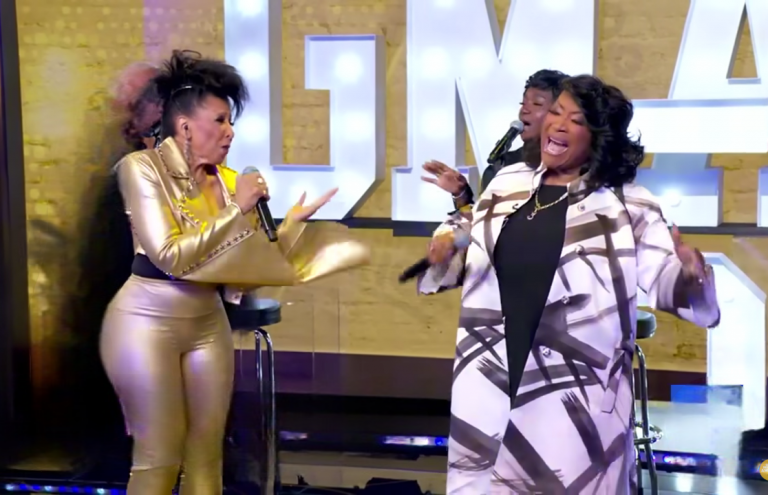
It was a moment made for history when Jazmine Sullivan, Ledisi, Cynthia Erivo, Stephanie Mills, and Yolanda Adams came together to celebrate the Queen of Soul, Aretha Franklin. Each singer brought her own tone, style, and emotion, creating a tribute that felt both deeply personal and wonderfully grand. The stage opened with soft, glowing lights, setting a warm, gospel-tinged mood that Aretha herself would have loved.

Jazmine Sullivan began with her rich, smoky voice, adding soulful runs that immediately pulled the audience in. Ledisi followed with her bold, powerful delivery, lifting the energy higher with every note. Cynthia Erivo stepped in next, bringing her theatrical strength and emotional control, carrying the song with quiet intensity. Stephanie Mills added a classic R&B sparkle, her warm tone filling the room with nostalgia.

Finally, Yolanda Adams closed the performance with her soaring gospel brilliance, hitting high notes that brought people to their feet. Together, they blended harmonies, exchanged smiles, and honored Aretha with respect, joy, and pure vocal fire.

Every moment—from the expressive hand motions to the heartfelt glances between the performers—showed their deep love for the legend who inspired them all. It was more than a performance; it was a glowing celebration of Aretha’s legacy, carried by five voices powerful enough to match her spirit.

Jeff “Skunk” Baxter, one of the most recognizable guitarists from the classic Steely Dan era, delivered a smooth and stylish performance of “Rikki Don’t Lose That Number,” reminding everyone why this song remains one of the band’s greatest gems. The moment he stepped onstage with his signature mustache, sunglasses, and relaxed confidence, the audience knew they were about to experience something special.

Baxter opened the performance with the song’s iconic, soft piano-like intro recreated on guitar, capturing that familiar Steely Dan vibe. Every note felt clean and warm, keeping the original groove alive while giving it a fresh, live energy. As the band settled into the song, the rhythm section kept a steady, laid-back beat, with the drums tapping out that classic shuffle and the bass sliding smoothly underneath.

Skunk’s guitar tone was crisp but silky, true to the jazz-rock flavor that made Steely Dan famous. He played each line with precision, adding little bends and flourishes that showed just how deeply he understands the song’s musical DNA. When the saxophone entered for its signature touches, it created that unmistakable Steely Dan atmosphere—cool, sophisticated, and full of subtle swing.

During the instrumental break, Baxter delivered a tasteful solo filled with bright, clean runs that echoed the original recording without copying it note for note. His hands moved effortlessly, and you could see him smiling at the band, clearly enjoying every moment onstage. The audience responded with cheers, soaking up the nostalgia.

Vocals were smooth and mellow, delivering the lyrics with clarity: the gentle warning, the emotional hesitation, and the friendly advice woven into the song. The harmony lines blended softly in the background, giving the performance a warm, rounded feel.

As the song reached its final chorus, Skunk Baxter brought the band to a tight and elegant finish. The last notes faded gently, just like in the classic version, leaving the crowd applauding loudly for a performance that honored the past while still feeling vibrant and alive.

Skunk Baxter’s take on “Rikki Don’t Lose That Number” was more than just a tribute—it was a reminder of the timeless sound he helped create, played with skill, heart, and that unmistakable Baxter charm.

Christopher Cross’s timeless classic “Sailing” is one of those rare songs that instantly makes you feel calm, free, and carried away to a quiet place far from everyday worries. Released in 1980 on his debut album, the song became the centerpiece of his early success, showcasing his smooth voice, gentle guitar work, and the dreamy atmosphere that would make him a household name.

“Sailing” opens with soft guitar chords that feel like ripples on water, soon joined by a warm, floating keyboard line that creates a feeling of endless horizon. Cross sings with a tender, almost whisper-like tone, inviting listeners to drift with him: “Well, it’s not far down to paradise…” Every line feels like a gentle breeze. The production is clean and silky, using delicate drums, light bass, and lush harmonies that rise and fall like ocean waves.

Cross has often said that sailing was his real-life escape, a peaceful retreat where he felt safe to dream. That feeling shines through in the song’s arrangement — every sound moves slowly and gracefully, as if nothing is in a rush. Even the famous guitar solo is soft and melodic, perfectly matching the song’s relaxing mood rather than trying to show off.

“Sailing” became a massive hit, reaching No. 1 on the Billboard Hot 100, and winning multiple Grammy Awards, including Record of the Year, Song of the Year, and Best Arrangement. Its success helped Christopher Cross become the first artist to win all four major Grammy categories in one night.

Over the years, “Sailing” has remained a symbol of peaceful music — a song people return to when they want to unwind, think, or simply breathe. Its gentle beauty, simple lyrics, and soothing melody make it feel almost magical. More than four decades later, Christopher Cross’s “Sailing” still carries listeners to a quiet paradise every time it plays.

Kris Kristofferson’s timeless classic “Me and Bobby McGee” came to life in a warm, emotional tribute as he shared the stage with an all-star lineup including Jewel, Lady A, Martina McBride, and several other beloved country artists. The performance began with Kristofferson stepping into the spotlight, guitar in hand, delivering the familiar opening lines with a calm, gravelly voice that carried decades of stories. Jewel stood beside him, adding soft harmonies that wrapped around his vocals like a gentle echo.

As the song moved forward, Lady A took turns singing verses—Hillary Scott’s clear, bright voice blending beautifully with Kristofferson’s rough, lived-in tone, while Charles Kelley added rich harmonies that lifted the chorus. Martina McBride joined next, her powerful voice soaring effortlessly, giving the classic song a burst of energy that made the entire crowd cheer.

Throughout the performance, each artist smiled at Kristofferson with clear admiration, creating a feeling of family onstage. The musicians behind them kept the arrangement simple and warm—light acoustic strumming, steady percussion, and a soft steel guitar in the background that added just the right touch of country soul. As the final chorus approached, all the artists gathered around Kristofferson, their voices blending into a beautiful, full harmony that filled the entire venue.

When the last note faded, Kristofferson gave a small, humble grin and nodded to the crowd, clearly touched by the love surrounding him. It wasn’t just a performance—it was a heartfelt celebration of an icon, a song, and the generations of artists he continues to inspire.

During an international flute competition in Japan, flutist Yukie Ota created one of the most unforgettable—and unexpectedly charming—moments in classical music. As she stood onstage, ready to deliver a precise and expressive performance, a small butterfly suddenly flew into view. It circled around her head, fluttered near her cheek, and then gently landed right on her face. The audience held their breath, expecting her to flinch, stop, or lose focus. But Yukie Ota did something extraordinary: she didn’t react at all.

Every little detail of the moment showed her incredible professionalism. She continued playing with perfect tone, smooth breath control, and steady rhythm, as if nothing unusual was happening. The butterfly slowly crawled across her cheek and toward her nose. Instead of brushing it away, she kept her posture tall, her hands steady on the flute, and her eyes calmly focused on the sheet music. Her expression stayed soft and concentrated, proving just how deeply she was connected to the music.

The judges watched with wide eyes, clearly impressed—not just by the unexpected visitor, but by Ota’s ability to stay completely composed. The audience tried not to laugh or gasp too loudly, but you could hear quiet murmurs of disbelief as the butterfly continued its gentle walk across her face. Remarkably, her sound never wavered. Each note remained clear, elegant, and controlled, even during the most delicate passages.

After a long minute, the butterfly lifted off and drifted away. Only then did Ota allow herself a tiny smile, but she still finished her performance with total focus and grace. When she played the final note, the audience finally released their laughter and applause, celebrating not just her musical skill but her unbelievable calm under such unusual pressure.

The moment quickly became famous around the world. Videos of the performance spread online, with people praising her composure, talent, and professionalism. For many, Yukie Ota’s “butterfly performance” became a symbol of grace under pressure—a reminder that even when life brings unexpected surprises, staying calm can turn the moment into something truly beautiful.

The Righteous Brothers’ performance of “Unchained Melody” is often called the most perfect moment ever captured on television, and it’s easy to see why. From the very first note, Bobby Hatfield’s voice rises with a soft, almost trembling purity that immediately pulls you in. Standing under warm studio lights, dressed in a simple suit with his hair neatly styled, he looks calm, focused, and completely connected to the music. Bill Medley stands beside him, offering quiet support, but the spotlight stays mostly on Hatfield as he takes on one of the most emotional vocal performances ever broadcast.

Every detail of the performance feels magical. The stage is simple—no flashing lights, no dancers, no special effects—just a classic microphone, a dimly lit background, and the powerful sound of Hatfield’s soaring tenor. As he sings “Oh, my love, my darling…,” you can see the emotion in his face: the slight tighten of his eyes, the subtle lift of his chin, and the gentle sway of his body as he pours everything into each note. The camera moves slowly, capturing close-ups that show just how effortless his control is. Not a single note wavers; every phrase is delivered with perfect clarity, strength, and heart.

Behind him, the orchestra adds a deep, warm backdrop—lush strings, steady percussion, and a smooth arrangement that lifts Hatfield’s voice even higher. When he reaches the big, iconic high notes—“I need your love”—the moment becomes electric. His voice rings out with incredible power yet remains smooth and steady, leaving the audience stunned. Even decades later, fans still talk about how he hit those notes with such ease, making one of the hardest vocal lines in pop music sound natural.

What makes this televised performance truly legendary is its sincerity. There’s no showmanship, no distractions—just pure vocal brilliance. Hatfield closes the song with a soft, heartfelt “to me…” letting the final word drift gently into silence. The audience sits still for a second, almost unsure how to respond to something so perfect, before erupting into applause.

Every little detail—from the simple staging to the flawless vocals—comes together to create a moment that feels timeless. “Unchained Melody” by The Righteous Brothers isn’t just a beautiful performance; it’s one of the greatest ever captured on television, a moment of musical perfection that still gives listeners chills today.

Norah Jones created one of her most touching musical moments when she honored her father’s close friend, George Harrison, with a quiet and emotional performance of “Let It Be” atop the Empire State Building. The setting itself felt magical—New York City glowing beneath her, the sky softly dimming, and the wind brushing past as she sat at a simple keyboard placed on the famous rooftop. There were no big lights, no crowd, and no dramatic staging. Just Norah, the open air, and a song filled with history and love.

Before beginning, Norah took a moment to reflect on how much Harrison meant to her father, Ravi Shankar, and how her own life had been touched by their longtime friendship. You could see a gentle smile on her face as she mentioned their bond, showing just how personal the moment was for her. When she started to play the first familiar chords of “Let It Be,” her voice floated softly into the night—warm, tender, and beautifully controlled. She didn’t try to imitate The Beatles; instead, she gave the song a peaceful, Norah-style glow, letting every line land gently, like a quiet message of comfort.

The details made the performance feel even more intimate: the camera circling slowly around her, capturing the lights of Manhattan shimmering in the background; the soft hum of the city rising between notes; and the way she closed her eyes during the chorus, as if singing directly to Harrison’s memory. Her piano tone was light and delicate, turning the classic into a soothing rooftop lullaby.

By the time she reached the final “let it be,” the moment felt almost spiritual—simple, honest, and filled with affection for a man who shaped so much of modern music and touched her family in a profound way. As she lifted her hands from the keys, the city continued to glow around her, making the tribute feel timeless.

Norah Jones’ rooftop performance wasn’t just a cover—it was a quiet gift, a heartfelt offering to George Harrison from someone who truly understood his gentle spirit.