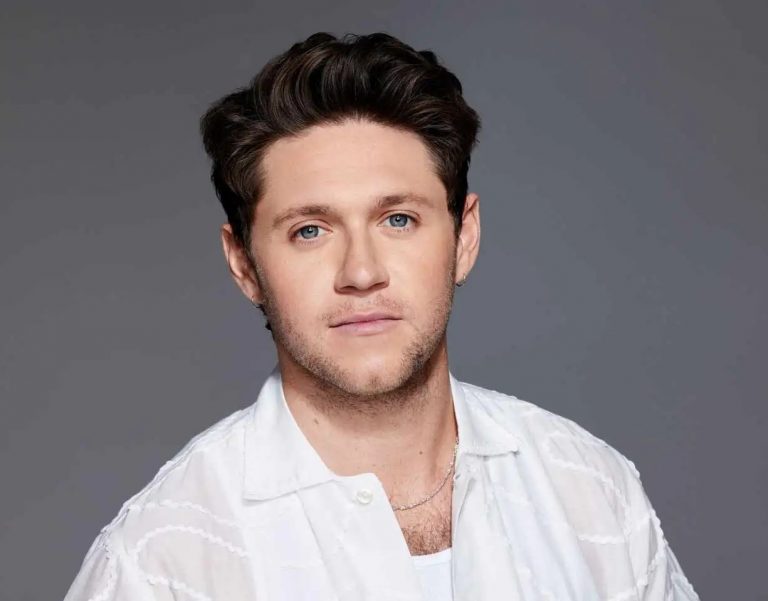
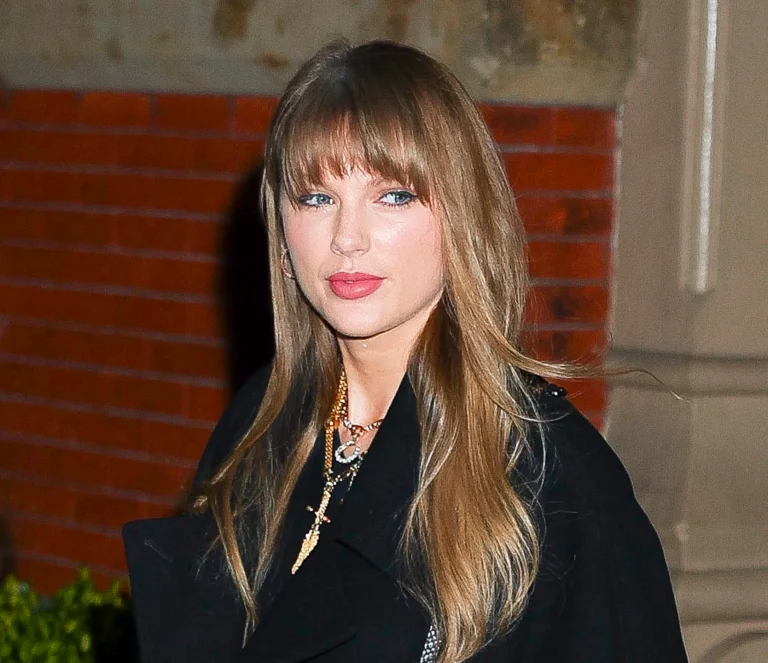
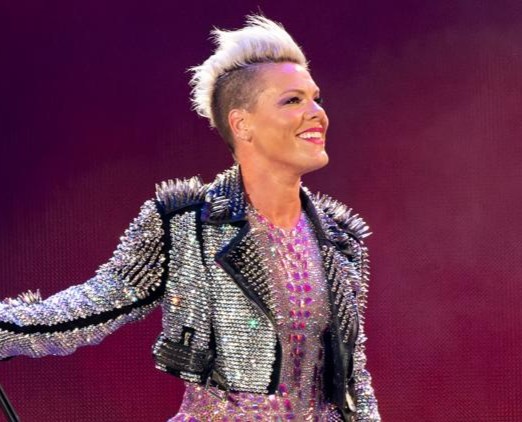
Niall Horan has finally reacted to the big question on fans’ minds: will he be attending the wedding of Taylor Swift and Travis Kelce?
During a recent interview, Horan was asked directly if he had received an invitation to the highly anticipated wedding. Instead of giving a clear “yes” or “no,” he responded in a playful and mysterious way. He joked that he has “loads of weddings” to attend and admitted he’s “been invited to a few weddings,” but stopped short of confirming whether Swift and Kelce’s celebration is one of them.
His lighthearted response quickly caught fans’ attention. Many believe he was subtly hinting that he has been invited—but simply chose not to reveal too much. Others think he was just having fun with the question and keeping the details private.
Horan and Swift have been friends for many years, dating back to his time in One Direction. Their close bond, including past collaborations and public support for each other, makes it very likely he would be on the guest list.
As for the wedding itself, details are being kept mostly secret. Reports suggest the couple is planning a more private and intimate ceremony, even though fans around the world are eagerly waiting for updates.
For now, Niall Horan isn’t giving a straight answer—but his teasing response has only made fans more excited about what could be one of the most talked-about celebrity weddings of the year.
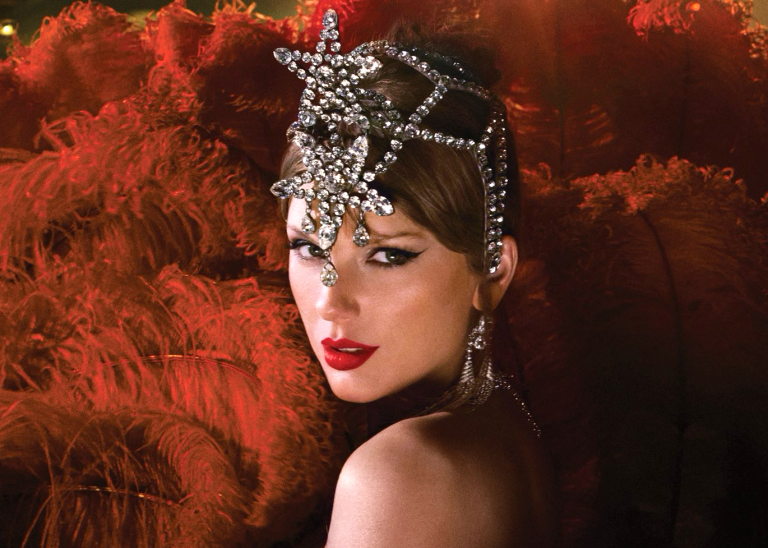
Taylor Swift is once again making headlines—but this time, it’s not about her music or record-breaking tours. The global superstar is reportedly facing a lawsuit over the phrase “Life of a Showgirl,” which has sparked a legal dispute over trademark rights.
According to reports, a company claims that the phrase “Life of a Showgirl” was already trademarked before Swift used it in connection with her projects. The lawsuit argues that using the phrase without permission could confuse the public and benefit from an identity that legally belongs to someone else.
The issue started gaining attention after Swift hinted at or used the phrase in her creative work, possibly tied to her storytelling style or future projects. Known for building strong themes around her albums and performances, Swift often creates phrases and visuals that fans quickly connect with her brand. However, this time, the phrase may not be entirely hers to use.
Trademark infringement cases like this usually focus on whether a phrase is unique enough to be protected and whether its use could mislead audiences. If the court finds that Swift’s use of “Life of a Showgirl” overlaps too closely with the existing trademark, she could be asked to stop using it or even pay damages.
Despite the legal challenge, fans of Taylor Swift remain supportive. Many believe this situation won’t slow her down, as she has successfully handled public scrutiny and industry challenges before.
For now, the case is still developing, and no final decision has been made. Whether it turns into a major legal battle or gets resolved quietly, one thing is certain—Taylor Swift knows how to stay at the center of attention, both on and off the stage.
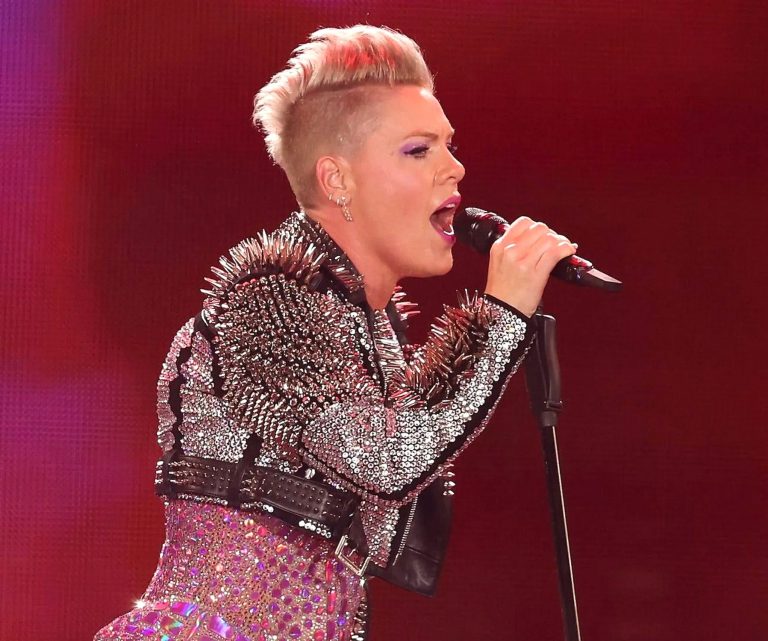
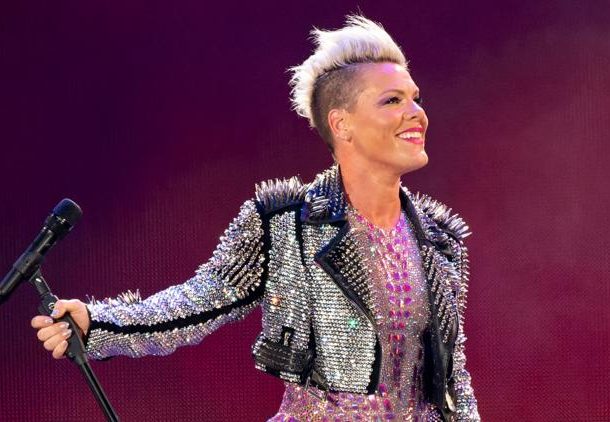
When P!NK decided to perform “Bohemian Rhapsody,” she took on one of the most famous and challenging songs in music history. Originally created by Queen and written by Freddie Mercury, the song is known for its unique style, dramatic changes, and powerful vocals.
P!NK’s version of “Bohemian Rhapsody” surprised many fans in a good way. Instead of trying to copy the original exactly, she added her own emotional touch. Her voice brought a raw and heartfelt feeling to the song, especially during the softer piano sections. As the performance built up, she showed her strong vocal range and control, handling the song’s difficult high notes with confidence.
What made her cover special was the balance she created. She respected the original version while still making it her own. The rock sections were energetic and bold, while the quieter moments felt personal and deep. This mix helped the audience connect with the performance in a new way.
Fans and critics praised P!NK for her bravery in covering such an iconic track. Many said she honored Freddie Mercury’s legacy while also proving her own talent as a live performer. Performing a song like “Bohemian Rhapsody” is never easy, but P!NK showed that with passion and skill, it can be reimagined successfully.
In the end, her cover became another memorable moment in her career. It reminded everyone why she is known as one of the most powerful and fearless voices in music today.
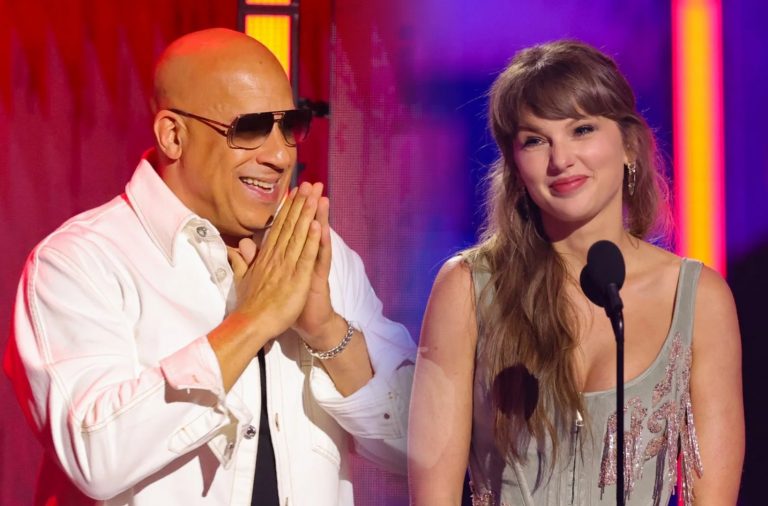
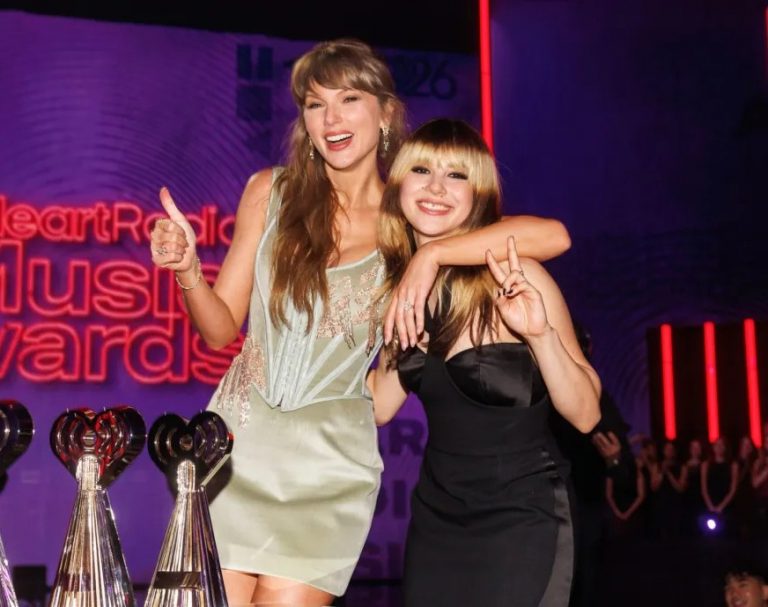
At the 2026 iHeartRadio Music Awards, what started as a slightly uncomfortable on-air moment quickly turned into one of the most talked-about highlights of the night—thanks to Taylor Swift.
The unexpected moment involved actor Vin Diesel, who took the stage to present an award. Known for his confident and tough on-screen persona, Vin seemed unusually nervous in front of the live audience. As he began speaking, he stumbled over his words and appeared to lose his place, creating a brief but noticeable pause that left the crowd unsure how to react.
For a few seconds, the atmosphere felt tense. Live television can be unforgiving, and moments like this often go viral for the wrong reasons. But before things could become more awkward, Taylor Swift—who was seated in the front row—stepped in with perfect timing.
With a warm smile and encouraging energy, Taylor subtly helped guide the moment back on track. Reports from attendees say she lightly prompted the audience to applaud and even mouthed supportive words toward Vin, helping him regain his confidence. Her calm and kind reaction instantly shifted the mood in the room.
Vin Diesel quickly recovered, laughing off the mistake and continuing his presentation with renewed ease. The audience followed Taylor’s lead, cheering loudly and turning what could have been an embarrassing slip into a shared, lighthearted moment.
Fans online were quick to praise Taylor for her quick thinking and empathy. Many pointed out that her actions showed not just professionalism, but genuine kindness—qualities that have long defined her public image. Instead of letting the moment spiral, she chose to lift someone up, and that didn’t go unnoticed.
The iHeartRadio Music Awards is known for big performances and major wins, but this simple, human interaction ended up stealing the spotlight. It reminded viewers that even celebrities can have vulnerable moments—and that a little support can go a long way.
In the end, it wasn’t just about saving a presentation. It was about showing grace under pressure. And once again, Taylor Swift proved why she’s admired not only for her music, but also for the way she treats others—both on and off the stage.
Pop superstar Taylor Swift recently had a delightful and unexpected moment when a viral Olympic figure skater gave her a public shoutout—and fans can’t stop talking about her adorable reaction.
The athlete behind the viral moment was Isabeau Levito, a talented young figure skater from the United States who has quickly made a name for herself in international competitions. Known for her graceful style, strong technique, and emotional performances, Levito has been seen as one of the rising stars of figure skating. She has competed at major events connected to the Olympic Games path and continues to gain global attention.
Her routine, which spread rapidly online, was inspired by Taylor Swift’s music. Levito has openly shared that she is a big fan of Swift and often connects deeply with the emotions in her songs. During this particular performance, she blended elegance with storytelling, making the tribute feel personal and powerful.
As the video gained millions of views, fans quickly tagged Taylor Swift, hoping she would see it—and she did. Instead of a simple like, Taylor responded warmly, praising the performance and expressing how honored she felt. Her genuine reaction added even more excitement to the moment, making it unforgettable for both the skater and fans around the world.
This heartwarming interaction shows how music and sports can come together in a beautiful way. For Isabeau Levito, it was a dream moment. And for Taylor Swift, it was another reminder of how her music continues to inspire people in every corner of the world.
P!nk has been officially named one of the most influential people in music by TIME Magazine, earning a place on its famous “100 Most Influential People” list. While this recognition celebrates her long and successful career, it’s the deeper story behind her journey that is surprising many in the music industry.
A Career Built on Honesty and Strength
P!nk has never followed the typical path of a pop star. From the beginning, she stood out for her bold personality, powerful voice, and fearless attitude. Instead of focusing only on fame, she built her career on honesty—writing songs about real-life struggles, relationships, and personal growth.
Over the years, she has delivered hit songs, unforgettable live performances, and a reputation for being one of the hardest-working artists in the business. Her concerts, often filled with high-flying acrobatics, show her dedication and passion for her craft.
The Untold Struggles Behind the Success
What many people don’t see is the difficult journey behind her success. P!nk has openly spoken about facing self-doubt, industry pressure, and the challenge of balancing fame with family life. At times, she stepped away from the spotlight to focus on her mental health and her children.
This behind-the-scenes reality is what makes her recent recognition even more meaningful. Rather than being an overnight success, her influence comes from years of persistence, resilience, and staying true to herself—even when it wasn’t easy.
Why This Recognition Matters
Being named to TIME’s list is not just about music sales or awards. It recognizes people who inspire change and impact others. P!nk has used her platform to speak about important issues like self-acceptance, equality, and mental health.
Her influence goes beyond entertainment—she connects with fans on a personal level, encouraging them to be confident and embrace who they are.
A Moment That’s Shaking the Industry
For many in the industry, P!nk’s inclusion on the list is a reminder that true influence is not just about popularity. It’s about authenticity, courage, and lasting impact. Her story shows that success doesn’t always come from following trends, but from staying real and pushing forward through challenges.
In the end, this honor is more than just a title. It’s a recognition of P!nk’s journey, her voice, and the powerful example she continues to set for artists and fans around the world.
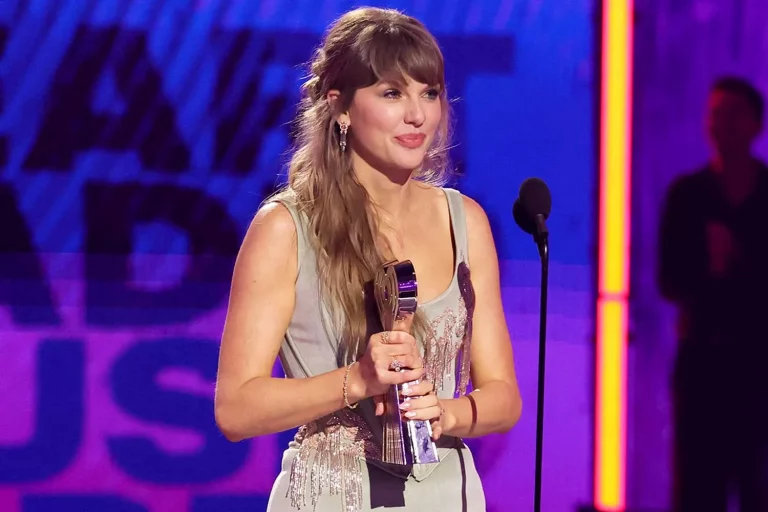
At the 2026 iHeartRadio Music Awards, Taylor Swift once again proved why she remains one of the most loved artists in the world. The global superstar took home the prestigious Artist of the Year award, celebrating another incredible year in her career.
During her acceptance speech, Taylor didn’t just thank her fans—she also shared a meaningful message. She encouraged everyone to “nurture your hobby,” reminding fans that the things they love doing in their free time can grow into something special. Her words felt personal and inspiring, especially for young people who look up to her journey.
Taylor spoke about how her own career started with a simple passion for songwriting. What began as a hobby eventually turned into a record-breaking music career. By sharing this, she showed that success often begins with small, consistent efforts.
The moment quickly became one of the highlights of the night. Fans across the world praised her not only for her music but also for staying grounded and thoughtful.
Winning Artist of the Year at the iHeartRadio Music Awards 2026 is yet another milestone for Taylor Swift. But beyond the award, it was her message that truly stood out—encouraging people everywhere to believe in their passions and never stop growing.
write in detail Taylor Swift Encourages Fans to ‘Nurture Your Hobby’ as She Wins Artist of the Year at the 2026 iHeartRadio Music Awards
“Give yourself time to make mistakes,” the pop megastar said in her speech at the awards ceremony on Thursday, March 26
Taylor Swift’s Powerful Message: “Nurture Your Hobby” After Big Win at iHeartRadio Awards 2026
At the 2026 iHeartRadio Music Awards, Taylor Swift once again captured global attention—not just for her music, but for her heartfelt and inspiring words. The pop superstar won the highly respected Artist of the Year award, marking another major achievement in her already legendary career.
While fans expected a gracious thank-you speech, Taylor delivered something deeper and more meaningful. Standing on stage, she encouraged everyone listening to embrace their passions and “nurture your hobby.” Her message was simple but powerful—reminding people that even the smallest interests can grow into something life-changing.
Taylor also shared an important piece of advice that resonated with many: “Give yourself time to make mistakes.” With this statement, she highlighted that success doesn’t happen overnight. Instead, it comes from patience, learning, and not being afraid to fail. She made it clear that mistakes are not something to fear, but something to learn from.
Reflecting on her own journey, Taylor explained how her career began as a love for writing songs. Long before the sold-out stadium tours and global fame, she was simply a young girl expressing her thoughts through music. By nurturing that hobby and staying dedicated, she eventually turned her passion into one of the most successful careers in the music industry.
The audience responded with loud applause, and fans online quickly praised her words. Many said her speech felt genuine and motivating, especially for those who are still discovering their own talents and dreams.
Winning Artist of the Year at the iHeartRadio Music Awards 2026 adds yet another milestone to Taylor Swift’s long list of achievements. However, it was her encouraging message that truly made the moment unforgettable.
In a world where people often feel pressure to succeed quickly, Taylor’s reminder to take things slowly, embrace mistakes, and stay committed to what you love struck a powerful chord. Once again, she proved that her influence goes far beyond music—she continues to inspire millions to believe in themselves and their passions.
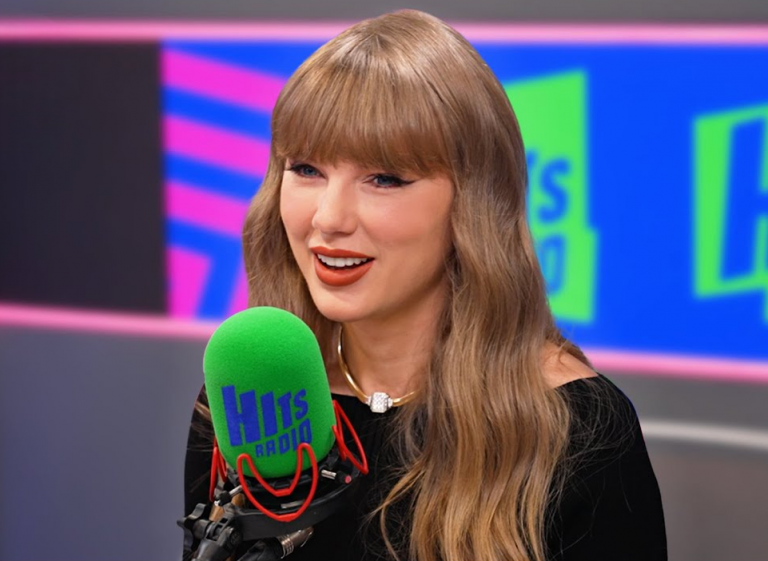
Taylor Swift recently opened up about her exciting life as a performer, her record-breaking Eras Tour, and the buzz around her rumored engagement. Fans are getting a closer look at how she balances her career and personal life.
Taylor described life as a “showgirl” as both thrilling and exhausting. Being on stage every night, performing for thousands of fans, and traveling from city to city is intense—but it’s also something she loves deeply. She says that performing allows her to connect with fans in a way that feels personal and unforgettable.
The Eras Tour, which celebrates all the different phases of her career, has been a massive success. Fans have been praising the show for its energy, storytelling, and elaborate production. Taylor said the tour is special because it lets her revisit her past albums while also sharing new music, giving the audience a full journey through her career.
On the personal side, speculation about her engagement has been a hot topic. While she hasn’t confirmed any details publicly, Taylor shared that her life has been full of love and exciting changes, hinting that her personal happiness is shining alongside her career achievements.
Despite the hectic schedule, Taylor says she tries to find balance and enjoy the little moments. For her, the thrill of performing, the joy of connecting with fans, and the excitement of personal milestones all come together to make her life as a pop superstar truly remarkable.
Whether on stage or in her private life, Taylor Swift continues to inspire millions by showing that hard work, passion, and love can coexist—even in the spotlight.
Recently, Taylor Swift has reportedly received some disappointing news just as excitement grows around her relationship with Travis Kelce and ongoing wedding rumors.
While fans have been eagerly speculating about a possible wedding between the global pop star and the NFL star, sources suggest that Taylor has been dealing with a setback behind the scenes. Although details remain limited, the news is said to be related to scheduling challenges and professional commitments that could affect her near-term plans.
Taylor Swift has been incredibly busy over the past few years, especially with her record-breaking Eras Tour and multiple music projects. Balancing such a demanding career with personal milestones is never easy, and this latest development is a reminder of how complex her schedule can be.
Despite the “bad news,” there is no indication that it will have a lasting impact on her relationship with Travis Kelce. In fact, the couple has continued to appear strong and supportive of each other, often seen celebrating each other’s achievements both publicly and privately.
Fans have reacted with a mix of concern and understanding. Many believe that, given Taylor’s history of overcoming challenges, she will handle this situation with the same strength and grace she has shown throughout her career.
It’s also important to note that neither Taylor Swift nor Travis Kelce has officially confirmed any wedding plans. Much of the excitement has been driven by speculation and media reports rather than confirmed announcements.
In the end, while the news may be disappointing, it seems to be more of a temporary hurdle than a major problem. For now, both Taylor Swift and Travis Kelce remain focused on their careers and their relationship—taking things one step at a time.
More than a decade after it was first recorded, a simple performance by P!nk is finding a brand-new audience. Her casual cover of the classic song “Me & Bobby McGee” has recently started trending again, especially among Gen Z listeners—and many are asking why.
Originally written by Kris Kristofferson and made famous by Janis Joplin, “Me & Bobby McGee” is a song about freedom, love, and loss. It has always carried a deep emotional weight. But when P!nk performed it around 16 years ago, she gave it a fresh and very personal feel.
The performance itself is simple—no flashy stage, no big production. Just P!nk, her voice, and the music. That simplicity is one of the main reasons it connects so strongly with younger listeners today. In a time where many performances are highly produced and edited, this raw and honest style feels real.
Gen Z, in particular, values authenticity. They are drawn to moments that feel unfiltered and genuine. P!nk’s voice in this cover is not perfect in a polished way—it’s emotional, slightly rough at times, and full of feeling. That honesty makes the song more relatable.
Social media has also played a big role in the song’s revival. Clips of the performance have been shared widely, with many users commenting things like “gives me chills every time.” For a generation discovering older music through short videos and viral moments, this performance stands out because it feels timeless.
Another reason for its renewed popularity is the message of the song itself. Themes of freedom and heartbreak still resonate strongly today. Even though the song is decades old, its meaning hasn’t changed, and P!nk’s version helps bridge the gap between generations.
In the end, this isn’t just about nostalgia—it’s about connection. P!nk’s four-minute cover proves that sometimes the simplest performances can have the biggest impact. And now, years later, a whole new generation is discovering just how powerful that moment really was.