Category

Rock

Category

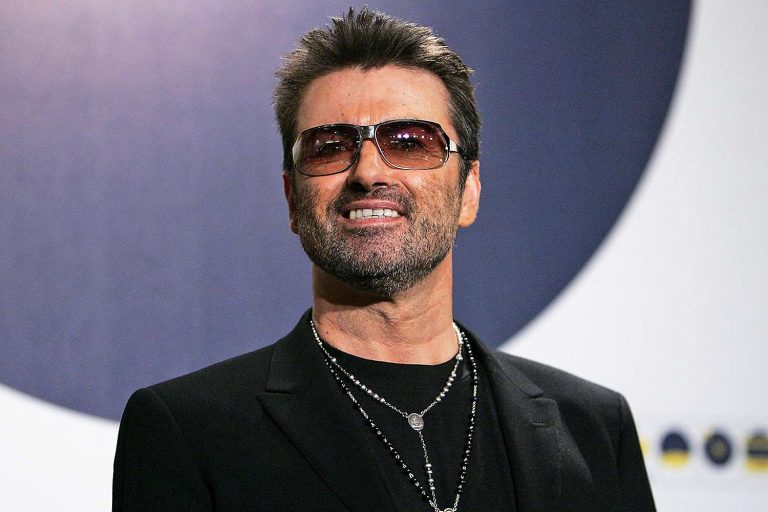
Few Christmas songs have achieved the eternal status of “Last Christmas” by Wham!. Written and produced by George Michael in 1984, the song has become more than a festive hit — it’s a seasonal tradition, replayed year after year across generations. But while the original studio version remains iconic, the live performance at Wembley Arena in December 2006 offers something rare and deeply emotional: a mature, reflective return to a song that defined an era.

A Special Night at Wembley Arena

The performance took place on December 17, 2006, during George Michael’s celebrated 25 Live Tour. Although Wham! had long since disbanded, George Michael regularly honored the duo’s legacy during his solo shows. When the opening notes of Last Christmas rang out at Wembley Arena, the crowd instantly understood they were witnessing something special.

This was not a flashy reinvention. Instead, it was a respectful, heartfelt rendition that allowed the song’s melody and lyrics to breathe. The audience sang along word for word, transforming the arena into a shared memory — one fueled by nostalgia, warmth, and unmistakable holiday spirit.

A Different Emotional Weight

By 2006, George Michael was no longer the fresh-faced pop star of the 1980s. His voice carried more depth, more lived experience. That maturity gives this live version of Last Christmas a different emotional texture. The heartbreak in the lyrics feels less youthful and more reflective, almost like a quiet conversation with the past.

Unlike the polished studio version, the live performance embraces subtle vocal variations, natural pauses, and the energy of thousands of fans singing in unison. It’s intimate despite the scale — a rare balance that only great performers achieve.

The 40th Anniversary Release

For years, this Wembley performance remained largely unheard outside fan recordings. That changed in December 2024, when it was officially released as part of the “Last Christmas – 40th Anniversary EP.” The release marked four decades since the song first debuted, giving fans something both nostalgic and new.

Why This Live Version Matters

This performance matters because it captures time itself. It shows how a song can grow with its creator and its audience. Last Christmas is no longer just about a holiday heartbreak; it’s about memory, endurance, and the power of music to stay relevant across decades.

The Wembley Arena version also stands as one of the last major live holiday performances of the song by George Michael before his passing in 2016, adding another layer of significance for fans worldwide.

A Christmas Classic, Reimagined Live

Last Christmas (Live at Wembley Arena, December 2006) isn’t meant to replace the original — it complements it. It’s a reminder that great songs don’t fade; they evolve. Every December, as the familiar melody returns, this live version offers listeners a chance to hear it through a different lens: warmer, wiser, and deeply human.

For fans of Wham!, George Michael, or timeless Christmas music, this performance is more than a recording — it’s a gift from the past that still shines brightly today. 🎄✨

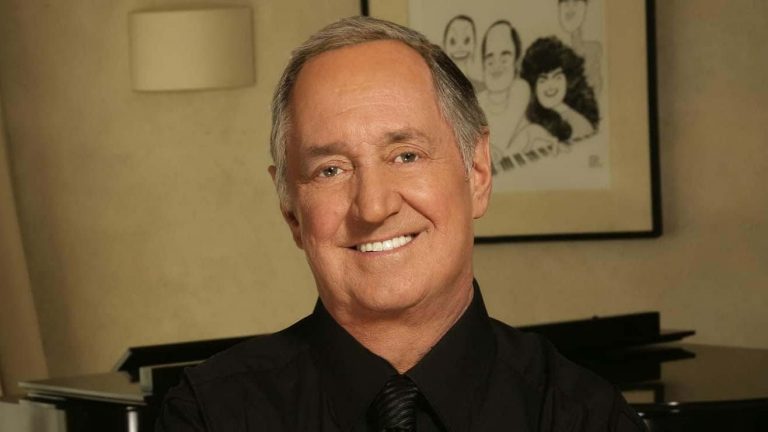
Released in 1959, Oh! Carol was co-written by Neil Sedaka and his longtime songwriting partner Howard Greenfield. At the time, Sedaka was a young artist trying to establish himself in a rapidly changing pop landscape dominated by rock ’n’ roll and teen idols.

The inspiration behind the song is one of pop music’s most famous footnotes: Carol Klein, Sedaka’s former high-school classmate at New York’s High School of Music & Art. Klein would later become world-famous as Carole King, one of the most influential songwriters in music history. While Oh! Carol is not autobiographical in a literal sense, its emotional sincerity feels deeply personal — a plea from a young heart afraid of losing love.

Few pop songs from the late 1950s have aged as gracefully as “Oh! Carol”, the breakout hit that helped define Neil Sedaka’s early career. More than six decades after its release, the song continues to resonate across generations and borders — most recently through a heartfelt performance by Otto Nilsen on the Brazilian television program Silvio Brito em Família.

This journey from a teenage love song to an international TV revival is a testament to the timeless power of melody, emotion, and nostalgia.

Otto Nilsen on Silvio Brito em Família

In late 2023, the song found new life when Otto Nilsen performed Oh! Carol on the Brazilian TV program Silvio Brito em Família. Known for celebrating classic music in a warm, family-oriented setting, the show provided the perfect stage for a nostalgic revival.

Nilsen’s rendition stays respectful to the original while adding his own vocal character. Rather than trying to modernize the song aggressively, he leans into its emotional core — allowing the melody and lyrics to speak for themselves. The performance quickly gained traction online, introducing Oh! Carol to viewers who may never have encountered Neil Sedaka’s original recording.

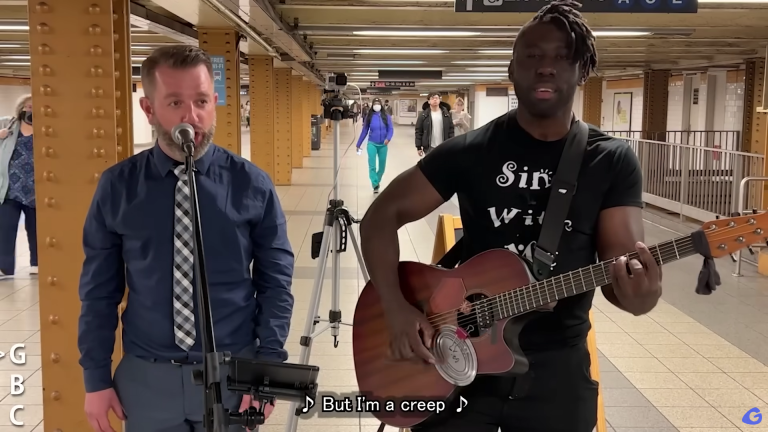
Some performances don’t just reinterpret a song — they redefine it. Prince’s cover of Radiohead’s “Creep” at Coachella 2008 is one of those rare, almost mythical moments in live music history. It wasn’t just a cover. It was a transformation, a reclamation, and a reminder of what happens when a singular artist touches a song and bends it entirely to his will.

A Surprise No One Saw Coming

Coachella 2008 was already stacked with anticipation. Prince was headlining — a fact that alone felt monumental. Known for his strict control over his music and an almost mysterious relationship with the internet, Prince wasn’t an obvious “festival artist” in the modern sense. And yet, when he walked onto that desert stage, it became clear this wouldn’t be a nostalgia set. It would be a statement.

Midway through his performance, Prince launched into “Creep.” For many in the crowd, it took a moment to recognize it. The familiar chord progression was there, but the mood was entirely different. Gone was the fragile self-loathing of Radiohead’s original version. In its place was something darker, more seductive, and infinitely more dangerous.

From Alienation to Authority

Radiohead’s “Creep” is built on insecurity — a song about not belonging, about wanting from a distance. Prince flipped that emotional core upside down.

Where Thom Yorke’s vocals feel exposed and vulnerable, Prince sounded controlled and commanding. He didn’t beg the song for permission. He owned it. The lyrics “I’m a creep, I’m a weirdo” no longer sounded like a confession — they sounded like a challenge.

Prince slowed the song down, stretching it into a slow-burning groove. The arrangement leaned heavily into funk and blues, with shimmering guitar lines and dramatic pauses that kept the audience hanging on every note. Each scream of “Run!” felt less like panic and more like power.

The Guitar Took Over

As with many legendary Prince performances, the guitar became the final word.

The solo during “Creep” at Coachella wasn’t flashy for the sake of it — it was emotional storytelling. Prince’s guitar wept, snarled, and screamed, adding layers of meaning the original version never explored. It was sensual, angry, and transcendent all at once.

This was Prince reminding the world that he wasn’t just a pop icon or a hitmaker — he was one of the greatest guitarists to ever step on a stage.

A Performance That Lived in the Shadows

For years, footage of this performance circulated quietly online, often removed as quickly as it appeared. That scarcity only added to its legend. Fans spoke about it in hushed, reverent tones — “You had to be there,” or “You have to see it to believe it.”

Even Radiohead themselves reportedly admired Prince’s interpretation, recognizing that he didn’t simply cover “Creep” — he reinvented it.

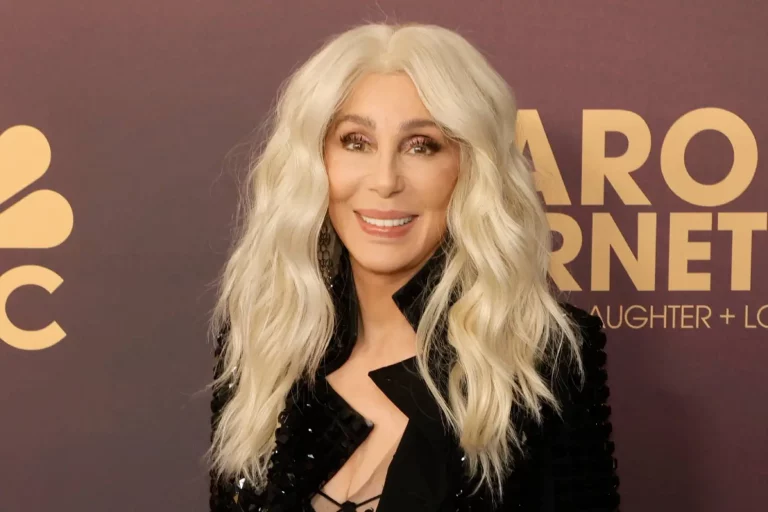
Cher brought the curtain down on Saturday Night Live’s final episode of 2025 with a festive two-song showcase drawn from her 2023 holiday album, reminding viewers why her presence still feels larger than life.

Despite a career spanning more than six decades, Cher has rarely appeared on SNL as a musical guest, making this performance especially notable. She kicked off her set with the energetic “DJ Play a Christmas Song,” one of the original tracks from the album and a clear departure from traditional holiday standards. The song’s modern pop pulse set the tone for a performance that felt celebratory rather than nostalgic.

Her Christmas record — her first ever holiday release and 27th studio album overall — stands out for its star-studded collaborations. The project features a powerful duet with Darlene Love on the seasonal classic “Christmas (Baby Please Come Home),” along with guest appearances from Stevie Wonder, Michael Bublé, Tyga, and Cyndi Lauper, blending generations and genres into one festive collection.

Speaking to Billboard at the time of the album’s release, Cher was characteristically candid about the project. She emphasized that the songs weren’t meant to be traditional yuletide fare. “They’re not ‘Christmas-Christmas’ songs,” she explained, describing them instead as simply strong, well-crafted tracks. Known for being her own toughest critic, Cher admitted that she rarely praises her own work — but made an exception here, noting how much audiences responded to the music and how proud she felt of the result.

For her second SNL performance of the night, Cher leaned into rock-and-roll history with “Run Rudolph Run,” the high-octane holiday classic written by Chuck Berry in 1958. The song, also associated with songwriter Johnny Marks, has long been a staple of seasonal playlists, and Cher’s rendition gave it a bold, veteran-rocker edge that suited her persona perfectly.

The appearance comes at a significant moment in Cher’s career. At 79, she is enjoying renewed recognition following a recent legal victory involving royalties for iconic Sonny & Cher recordings, including the timeless 1965 hit “I Got You Babe.” Adding to the milestone year, Cher has also been named a recipient of the Grammy Lifetime Achievement Award — a fitting honor for an artist first nominated for a Grammy six decades ago.

Closing out SNL’s year with confidence and unmistakable star power, Cher proved once again that longevity, reinvention, and relevance can coexist — even under the bright holiday lights of Studio 8H.

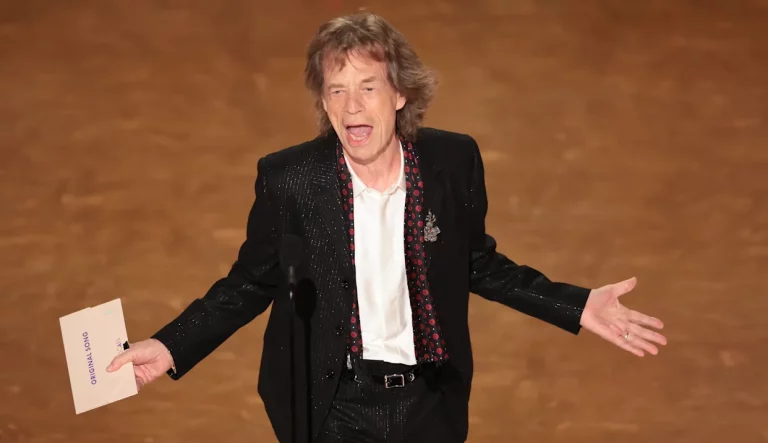
Mick Jagger once shared a funny and cheeky reason why Bob Dylan turned down the chance to present the Best Original Song award. According to Jagger, the legendary singer-songwriter simply wasn’t interested in standing on a big stage and reading from a script. Dylan, known for doing things his own way, preferred to stay true to his independent spirit rather than follow Hollywood traditions.

Jagger explained that Dylan felt the whole awards-show process was not really his style. Even though Dylan had the respect of the music and film worlds, he never seemed comfortable with the spotlight of formal ceremonies. This choice fit perfectly with Dylan’s long-standing reputation as an artist who avoids expectations and rules.

The story amused fans because it highlighted the difference between the two music icons. While Mick Jagger is known for enjoying the stage and public moments, Bob Dylan has always walked his own quiet, mysterious path. Jagger’s lighthearted comment reminded everyone that even music legends have very personal reasons for saying “no.”

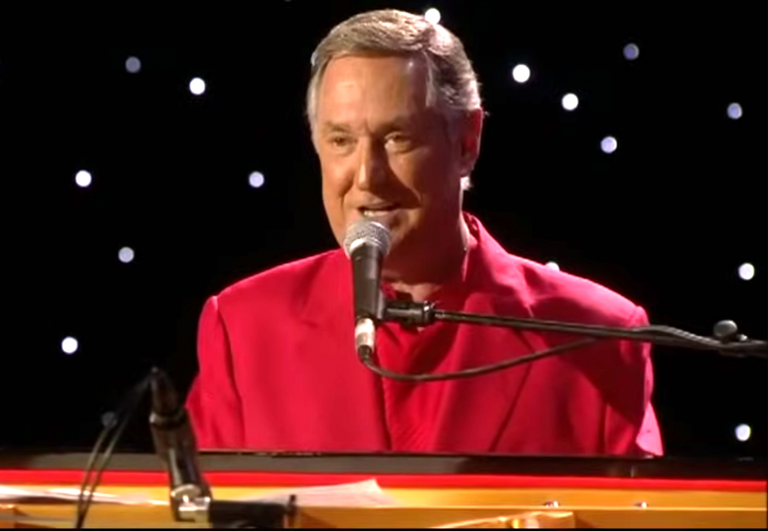
“Oh! Carol” is one of the most famous songs by Neil Sedaka and a true classic of early pop music. Released in 1959, the song quickly became a big hit and helped Sedaka rise to international fame. With its bright melody and emotional lyrics, it perfectly captures the feelings of young love and heartbreak.

The song was written by Neil Sedaka along with his longtime songwriting partner Howard Greenfield. “Oh! Carol” is about a young man pleading with his love not to leave him. Its simple words and catchy tune made it easy for listeners to relate to, especially teenagers of that era. The song’s energetic piano sound also became one of Sedaka’s musical trademarks.

More than six decades later, “Oh! Carol” is still loved around the world. It continues to be played on oldies radio stations and performed by many artists. The song’s lasting popularity proves that great music never grows old, and Neil Sedaka’s “Oh! Carol” remains a timeless reminder of the innocence and emotion of early love.


“Breaking Up Is Hard to Do” is one of Neil Sedaka’s most iconic and successful songs. Originally released in 1962, it became a number-one hit in the United States and is often considered his signature song. Written with his longtime partner Howard Greenfield, the track perfectly captures the pain and confusion of a young breakup through simple lyrics and an upbeat, catchy melody.

The version featured in The Show Goes On highlights Sedaka’s strong vocal control and natural charm as a performer. On stage, he brings emotion and energy to the song, making the audience feel both the sadness of the lyrics and the joy of the music. This balance between heartbreak and catchy pop sound is a big reason why the song connected so strongly with listeners.

Interestingly, Neil Sedaka later recorded a slower, more emotional version of “Breaking Up Is Hard to Do” in 1975, showing how the song could work in a completely different style. Both versions were major hits, proving Sedaka’s versatility as an artist. Decades later, the song remains a pop classic and a key part of Neil Sedaka’s legacy in music history.

Andrea Bocelli created an unforgettable moment when he performed “Nessun Dorma” and “Time To Say Goodbye” to celebrate Leicester City’s incredible Premier League title win. Known around the world for his powerful and emotional voice, Bocelli brought a sense of grandeur and beauty to a football achievement that shocked and inspired fans everywhere.

As the music filled the stadium, Bocelli’s performance turned the celebration into something truly special. “Nessun Dorma” added drama and pride to the moment, while “Time To Say Goodbye” felt like a graceful tribute to Leicester’s amazing journey—from underdogs to champions. Fans stood in awe as classical music and football came together in perfect harmony.

This performance was more than just a concert. It symbolized belief, hard work, and dreams coming true—exactly what Leicester City’s title win represented. Andrea Bocelli’s stunning vocals made the celebration timeless, proving that music can elevate even the greatest sporting moments into history.

Country music fans witnessed a special and emotional moment when Craig Morgan invited Jelly Roll to become the newest member of the Grand Ole Opry. The surprise invitation took place on the Opry stage, making it even more meaningful, as the Grand Ole Opry is one of the highest honors in country music.

Craig Morgan shared kind words about Jelly Roll’s journey, praising his honesty, hard work, and connection with fans. Clearly shocked and emotional, Jelly Roll accepted the invitation with gratitude, thanking his family, fans, and everyone who believed in him. The moment showed how far he has come and how his music has touched people from all walks of life.

This invitation marked a major milestone in Jelly Roll’s career. Joining the Grand Ole Opry placed him among country music legends and highlighted how the genre continues to grow and welcome new voices. For many fans, it was a powerful reminder that authenticity and heart still matter most in country music.


My Opry Debut marked one of the most meaningful nights in Jelly Roll’s career. Stepping onto the Grand Ole Opry stage for the first time, Jelly Roll delivered a heartfelt performance that reflected his personal journey, struggles, and growth as an artist. The moment was emotional, not only for him, but for the audience that had followed his story from the beginning.

During his debut, Jelly Roll spoke openly about how much the Opry meant to him, calling it a dream he never imagined would come true. His performance was raw and honest, blending country, soul, and personal storytelling—qualities that have made him stand out in modern country music. Fans and fellow artists welcomed him warmly, showing respect for his authenticity and passion.

The Opry debut helped solidify Jelly Roll’s place in country music. It showed that the Grand Ole Opry continues to embrace artists with real-life stories and genuine emotion. For Jelly Roll, the night was more than a performance—it was proof that perseverance, faith, and truth in music can lead to extraordinary moments.

The Ralph Stanley Memorial featured a deeply moving performance of “Go Rest High On That Mountain” by Vince Gill, joined by Ricky Skaggs and Patty Loveless. The song, already known for its powerful message about loss and peace, became even more emotional as it honored the life of bluegrass legend Ralph Stanley.

Vince Gill led the performance with gentle vocals and heartfelt emotion, clearly feeling the weight of the moment. Ricky Skaggs added beautiful harmony and mandolin playing, while Patty Loveless’s pure, soulful voice brought warmth and grace to the tribute. Together, their voices blended perfectly, creating a quiet and respectful atmosphere that touched everyone listening.

This memorial performance was not just about music, but about respect, friendship, and tradition. It reflected Ralph Stanley’s lasting influence on bluegrass and gospel music, and it reminded audiences why “Go Rest High On That Mountain” remains one of the most meaningful tribute songs ever written.

At The Freddie Mercury Tribute Concert in 1992, Bohemian Rhapsody became one of the most unforgettable moments in rock history. Queen were joined by Elton John and Axl Rose to honor the life and legacy of Freddie Mercury, who had passed away just months earlier.

The performance began with the familiar piano intro, played by Elton John, whose calm and emotional style set a respectful tone. As the song moved into its powerful rock section, Axl Rose took over the lead vocals. His raw energy and wide vocal range brought a new intensity to the song, while still showing deep respect for Freddie’s original performance. Brian May, Roger Taylor, and John Deacon stood strong on stage, reminding everyone of Queen’s lasting power as a band.

This version of Bohemian Rhapsody was not about replacing Freddie Mercury, but celebrating him. The combination of Elton John’s elegance and Axl Rose’s fire made the tribute unique and deeply moving. For fans around the world, it was a powerful reminder of Freddie Mercury’s influence and why Bohemian Rhapsody remains one of the greatest songs ever performed.


Another standout moment from The Freddie Mercury Tribute Concert at Wembley Stadium in 1992 was Guns N’ Roses’ explosive performance of “Paradise City.” Taking the stage in front of a massive global audience, the band delivered a high-energy set that brought a hard-rock edge to the tribute.

Axl Rose led the performance with his signature powerful vocals, while Slash electrified the crowd with his iconic guitar solos. The song’s fast pace and anthemic chorus turned Wembley into a sea of singing fans, creating one of the loudest and most exciting moments of the night. Even though Paradise City was a Guns N’ Roses classic and not a Queen song, its inclusion added intensity and showed the wide influence Freddie Mercury had across different rock styles.

Presented today in 4K at 60 fps, the performance looks sharper and more alive than ever, allowing fans to fully feel the energy of that historic night. It remains a thrilling reminder of how the concert balanced emotional tributes with powerful rock celebrations in honor of Freddie Mercury’s legendary spirit.