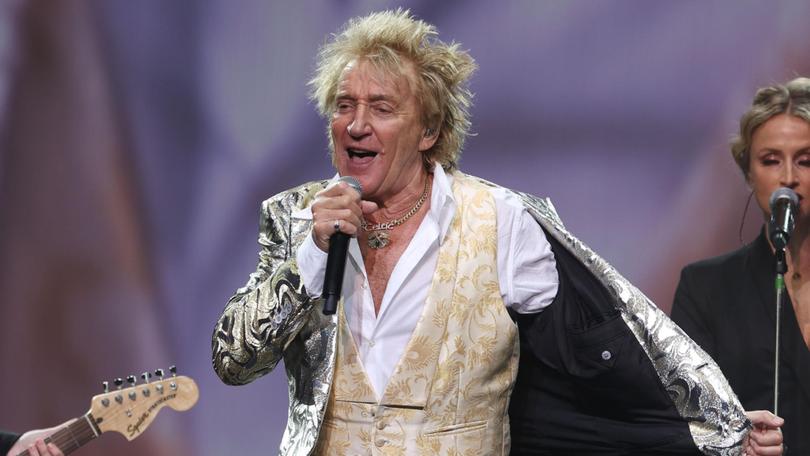
Sir Rod Stewart and his daughter Ruby turned the stage into a glowing tribute to music, family, and timeless talent with their electrifying performance of Ooh La La. More than just a song, this moment was a heartfelt exchange—where the raw power of Rod’s legendary voice met the fresh, soulful energy of Ruby, creating an unforgettable synergy.
Their chemistry was undeniable, their voices weaving together in perfect harmony, igniting a wave of pure joy that swept through the audience. The crowd wasn’t just watching—they were part of the magic, singing, dancing, and celebrating the infectious energy radiating from the father-daughter duo.
As their voices soared, so did the emotions in the room. This wasn’t just a performance; it was a living, breathing moment of musical history—a powerful reminder of how music connects generations and hearts alike.
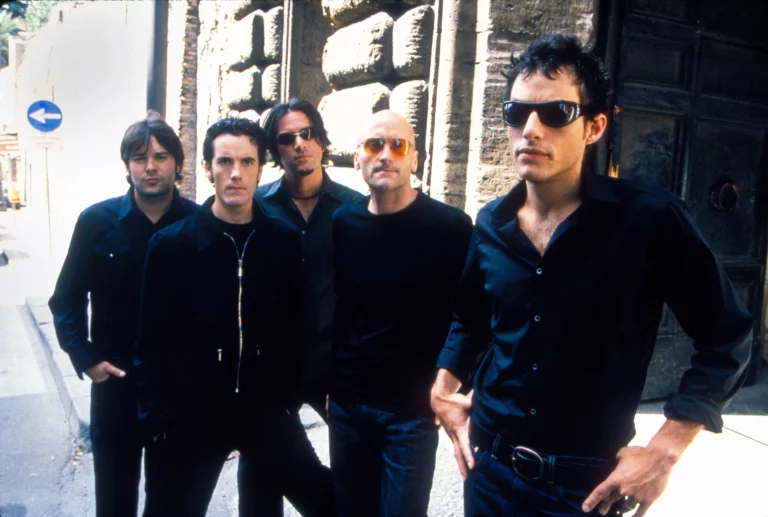
“One Headlight” by The Wallflowers stands as an enduring anthem, capturing the essence of rock with its evocative lyrics and memorable melody. Released in the late 1990s, the song has resonated with fans across generations, thanks to its relatable themes and infectious sound.
At its core, “One Headlight” is a tale of navigating life’s uncertainties. The imagery of driving with only one headlight on symbolizes the struggle for clarity in a world filled with doubt and confusion. It’s a metaphor for pushing forward despite the odds, finding your way even when the path is unclear.
With Jakob Dylan’s distinctive vocals leading the charge, the song blends introspective lyrics with a driving, guitar-heavy arrangement. The band’s tight rhythm section elevates the track, creating a mood that is both reflective and empowering. The melody hooks listeners, while the poignant words encourage deep reflection on their own journeys through life’s challenges.
Though “One Headlight” became an alternative rock staple in the late ’90s, its message of resilience and hope continues to resonate. It’s a song about perseverance and holding onto hope, reminding us that even in the darkest of times, there’s always the possibility of a new dawn.
Whether blasting through the speakers on a road trip or quietly playing at home, “One Headlight” speaks to the shared human experience. It’s a timeless reminder that no matter how difficult the road ahead may seem, the light of hope is always within reach.
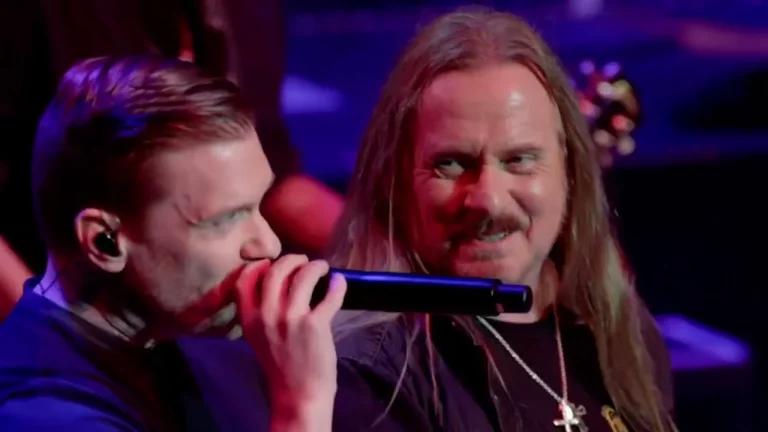
In a remarkable evening at the Ryman Auditorium in 2022, the legendary Southern rock band Lynyrd Skynyrd came together with Brent Smith, the commanding lead vocalist of Shinedown, for an unforgettable rendition of the band’s timeless anthem “Simple Man.” This powerful collaboration fused the classic Southern rock sound of Lynyrd Skynyrd with Brent Smith’s modern rock energy, leaving a lasting impression on the audience.
Known as the “Mother Church of Country Music,” the Ryman Auditorium in Nashville has witnessed countless iconic performances, making it the ideal setting for such an electrifying event. Its rich history and intimate ambiance amplified the emotional weight of the performance, providing a space where both the artists and audience could connect deeply.
Originally released in 1973 on their debut album, “Simple Man” remains one of Lynyrd Skynyrd’s most cherished songs. Its heartfelt lyrics, offering wise counsel from a mother to her son, resonate with listeners across generations. The song’s timeless wisdom and soulful melody have ensured its place as a fan favorite, often featured in the band’s live sets.
As the opening chords of “Simple Man” echoed through the venue, the crowd’s anticipation was palpable. When Brent Smith stepped on stage to join the band, the audience erupted in applause. Known for his powerful voice and raw emotion, Smith was the perfect counterpart to the legendary Southern rockers.
The collaboration between Johnny Van Zant and Brent Smith was nothing short of magical. Van Zant’s distinctive Southern rasp set the stage, while Smith’s soaring vocals added a fresh intensity to the classic tune. The blend of their voices, each with its own unique power, brought a new depth to the song, creating a dynamic fusion of old and new.
With Gary Rossington’s signature guitar riffs weaving through the performance, the energy in the room reached a fever pitch. The two vocalists harmonized seamlessly, and the crowd, united in their shared love for the song, joined in for a chorus that reverberated through the historic auditorium.
As the song built to its powerful climax, the emotional weight of “Simple Man” took on new significance. With Smith’s voice rising with passion, it was clear that this collaboration was more than just a performance—it was a tribute to Lynyrd Skynyrd’s enduring legacy, as well as the timeless wisdom and emotion carried in their music. The night was a testament to the bond between the band and their fans, a shared experience that will be remembered for years to come.
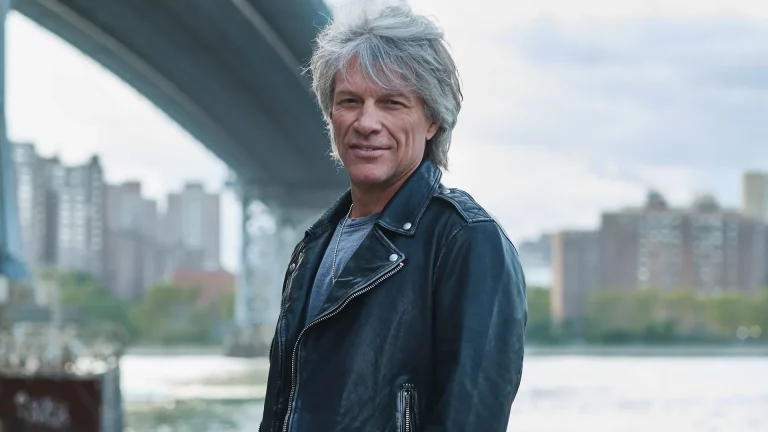
Few songs embody the spirit of defiance and self-determination quite like “It’s My Life.” Released in 2000 as the lead single from Bon Jovi’s album Crush, the track became an instant classic, marking a triumphant return for the legendary rock band. Co-written by Jon Bon Jovi, Richie Sambora, and Max Martin, the song’s bold message and electrifying sound cemented its place as a defining anthem of the new millennium.
At its heart, “It’s My Life” is a declaration of independence—a rallying cry for those unwilling to let others dictate their future. With lyrics urging listeners to live unapologetically and take control of their destiny, the song became a powerful symbol of resilience. Lines like “I just want to live while I’m alive” struck a chord with fans of all ages, reinforcing the idea that life is meant to be lived on your own terms.
The track’s pulsating guitar riffs, pounding drums, and Jon Bon Jovi’s commanding vocals give it an explosive energy that’s impossible to ignore. The unforgettable chorus, coupled with a subtle nod to Frank Sinatra’s “My Way,” further solidified its message of standing firm and embracing individuality. This infectious blend of classic rock power and modern production helped “It’s My Life” dominate the airwaves and become a staple in Bon Jovi’s live performances.
Beyond the music, the high-octane music video played a crucial role in the song’s success. Featuring a young protagonist racing against time to catch a live Bon Jovi performance, the video captured the adrenaline-fueled essence of the track. It also reflected the song’s message—breaking free from routine and chasing what matters most.
The impact of “It’s My Life” was undeniable. It climbed the charts worldwide, earned Grammy nominations, and introduced Bon Jovi to a new generation of fans. Even years after its release, the song continues to resonate, serving as a motivational anthem for anyone ready to take charge of their life.
More than two decades later, “It’s My Life” remains a defining moment in Bon Jovi’s storied career. Its powerful message of self-empowerment and its electrifying sound ensure that it will always be more than just a song—it’s a timeless reminder that life is yours to live.
Tom Petty’s “Free Fallin'” is more than just a classic rock anthem—it’s a cultural touchstone that captures the spirit of freedom and self-exploration. Released in 1989 as part of Petty’s debut solo album, Full Moon Fever, the track was co-written with Jeff Lynne and quickly became a defining piece of Petty’s illustrious career.
What makes “Free Fallin'” unforgettable is its simple yet captivating blend of melody and storytelling. From the opening guitar chords, the song pulls listeners into a world where breaking free from expectations feels both exhilarating and bittersweet. Petty’s distinctive voice, paired with the track’s reflective lyrics, paints a vivid picture of rebellion, longing, and the complexities of freedom.
At its heart, “Free Fallin'” speaks to the universal desire to escape and find one’s true self. The chorus, with its iconic refrain—”I’m free, free fallin'”—has become a rallying cry for those yearning to embrace life without constraints. The lyrics chronicle both the allure and the consequences of living on one’s own terms, striking a chord with anyone who’s ever felt torn between independence and responsibility.
Upon its release, the song became an instant sensation, climbing the charts and earning a permanent place in the rock music pantheon. The music video, featuring scenes of Los Angeles and Petty’s laid-back presence, further cemented the song’s status as an enduring classic. It wasn’t just a hit; it became a symbol of a generation seeking freedom and authenticity.
Decades later, “Free Fallin'” remains as powerful as ever. Its timeless message continues to resonate across audiences of all ages, inspiring countless covers and appearing in movies, TV shows, and commercials. Whether it’s blasting from a car stereo on a road trip or echoing through a crowded concert venue, the song carries an emotional weight that refuses to fade.
More than just a track on an album, “Free Fallin'” is a testament to Tom Petty’s legacy and his ability to capture the complexities of the human experience. It stands as a reminder that the pursuit of freedom is both a personal journey and a universal longing—a sentiment that will continue to echo for generations to come
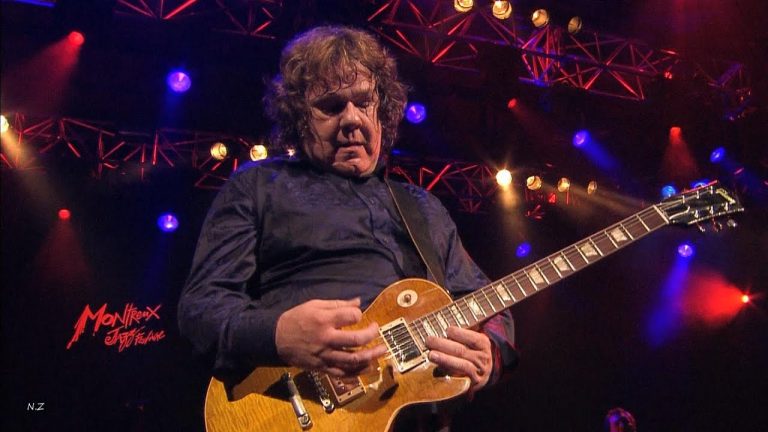
In an unforgettable display of blues brilliance, guitar legend Gary Moore delivered a spellbinding performance of “Still Got The Blues” in crystal-clear high definition in 1997. This live rendition captures Moore at his finest, blending raw emotion with technical mastery to create a performance that still echoes through the hearts of fans worldwide.
From the first soul-piercing notes, Moore draws listeners in with his evocative guitar work, weaving a tale of heartache and longing. Every bend, slide, and riff reflects his profound connection to the blues—a genre he not only honored but also elevated throughout his illustrious career.
When his rugged, soulful voice cuts through the music, it adds an intimate and authentic dimension to the song’s deeply emotional lyrics. With each line, Moore conveys the ache of lost love and the resilience that lingers in its wake, delivering every word with a sincerity that resonates on a personal level.
Supported by a stellar ensemble of keyboards, bass, and drums, Moore’s performance becomes a rich, textured musical experience. Each instrument enhances the song’s emotional depth, providing the perfect backdrop for his soaring guitar lines. The interplay between Moore and his band adds layers of complexity, highlighting his ability to balance power with subtlety.
The true magic unfolds during Moore’s electrifying guitar solos. His fingers glide effortlessly across the fretboard, unleashing a cascade of notes that burn with passion and precision. Each phrase carries both fire and finesse, leaving audiences captivated by his unmatched skill and emotional intensity.
As the performance builds to its climactic conclusion, Moore channels every ounce of feeling into his guitar, crafting a moment of pure musical catharsis. His final, soaring notes linger in the air, a testament to his ability to translate human emotion into sound with unparalleled grace.
Gary Moore’s 1997 live performance of “Still Got The Blues” is more than just a showcase of technical prowess—it’s a timeless reminder of music’s power to touch the soul. With his extraordinary talent and heartfelt delivery, Moore reaffirms his place among the greatest guitarists in history, leaving an indelible mark on all who experience his artistry.
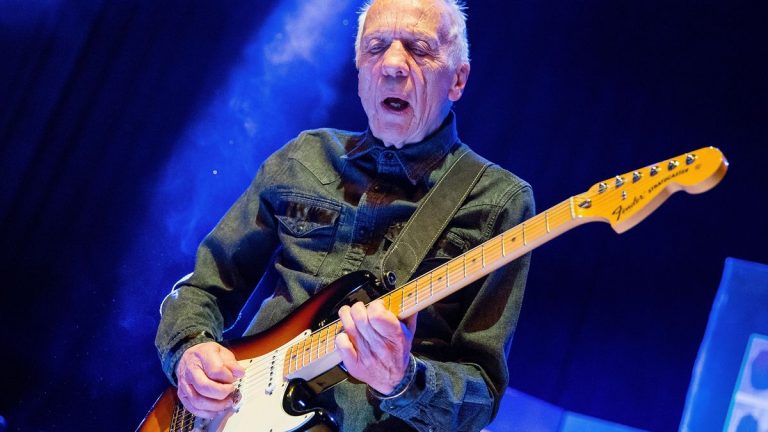
Robin Trower’s “Bridge of Sighs” stands as a monumental achievement in blues-rock, a testament to his exceptional guitar craftsmanship and emotive depth. Released in 1974 as the title track of his second solo album, the song quickly became a defining piece of Trower’s career, captivating audiences with its moody atmosphere and soulful guitar work.
From the opening notes, “Bridge of Sighs” draws listeners into a world of sonic melancholy. Trower’s guitar tone is rich and ethereal, blending smooth, expressive bends with haunting sustain. His playing echoes the emotional intensity of the blues while pushing into the realm of psychedelic rock. The synergy between Trower’s fluid guitar lines and James Dewar’s soulful, resonant vocals adds a profound layer of emotional depth, while Reg Isidore’s understated drumming anchors the composition with a steady, hypnotic rhythm.
Lyrically, the song touches on themes of sorrow and existential reflection. The “Bridge of Sighs” serves as a powerful metaphor for emotional struggle and isolation, inviting listeners to navigate the complexities of heartache and longing. Each verse resonates with a haunting poignancy, further enhanced by the song’s immersive musical landscape.
Live performances of “Bridge of Sighs” have only deepened its legacy. Notable renditions, such as the 1974 BBC session and the 1975 Winterland concert, showcase Trower’s remarkable ability to channel raw emotion through his guitar. Decades later, his 2025 performance at The Walker Theater reaffirmed the song’s enduring power, with Trower’s artistry as vital and mesmerizing as ever.
In 2024, the release of the “Bridge of Sighs” 50th Anniversary Deluxe Edition offered fans an even closer look at the song’s evolution. This special release included newly remastered versions, unedited studio mixes, and rare live recordings, providing a comprehensive exploration of the track’s creation and impact.
The influence of “Bridge of Sighs” extends far beyond its initial release. It remains a cornerstone of blues-rock, celebrated for its atmospheric brilliance and emotional authenticity. Each note and lyric reflects Trower’s singular ability to transform deep personal expression into a universal musical experience, ensuring the song’s place as a timeless classic in the annals of rock history.
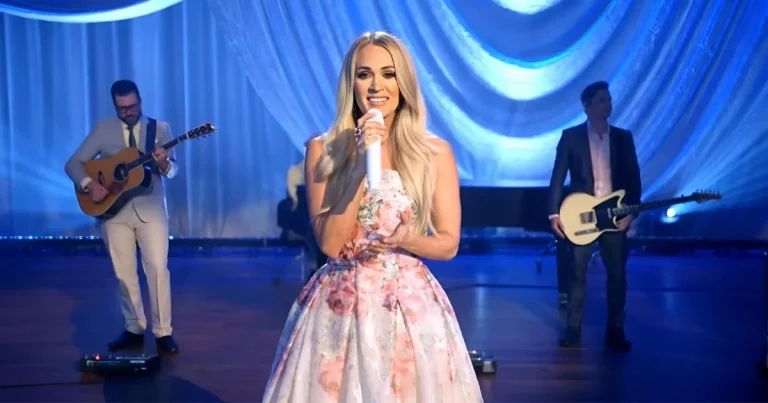
Carrie Underwood stepped onto the Grand Ole Opry stage for the first time, fresh from her groundbreaking American Idol season 4 win. As the first country artist to claim the Idol crown, her performance marked the beginning of an extraordinary career. Just three years later, her dreams reached new heights when Randy Travis surprised her with an invitation to join the Opry cast—a moment that solidified her place in country music history. So, it was only fitting to see Underwood back on stage for NBC’s “Opry 100: A Live Celebration,” honoring the legendary venue’s centennial.
One of the most touching moments of the evening came when Underwood, mid-performance, walked to where Travis was seated in the audience. With warmth and reverence, she handed him the microphone for the song’s final “Amen.” As the crowd erupted in applause, she proudly declared, “Randy Travis, everybody!”
For Travis—who has made limited public appearances since suffering a near-fatal stroke in 2013 that left him with aphasia, a condition affecting speech—the gesture was especially meaningful. Though words eluded him, his beaming smile spoke volumes, capturing the hearts of everyone watching.
While Underwood now exudes confidence on stage, the 16-time ACM Award winner admits it wasn’t always that way. Reflecting on her early days, she once shared with country music journalist Nancy Brooks, “I just wish I was smoother. I never know what to say. I’m the worst person in social situations. I’m always nervous, and I’m such a quiet watcher. I love to go places and just sit and watch other people.”
But on the Opry 100 stage, those insecurities were nowhere to be seen. Her powerful vocals and emotional connection to the music were a testament to how far she’s come—transforming from a shy small-town girl to a country music powerhouse.
The Grand Ole Opry traces its roots back to 1925, when the National Life and Accident Insurance Company launched radio station WSM—named after their slogan, “We Shield Millions.” A month later, famed announcer George D. Hay debuted the WSM Barn Dance, featuring 77-year-old fiddler Uncle Jimmy Thompson. This humble broadcast became the foundation for what would soon be known as the Grand Ole Opry, a stage that has since welcomed the biggest names in country music.
As Carrie Underwood continues to carry that legacy forward, her performance at Opry 100 was more than just a tribute—it was a full-circle moment for an artist who has become one of the Opry’s most celebrated stars.
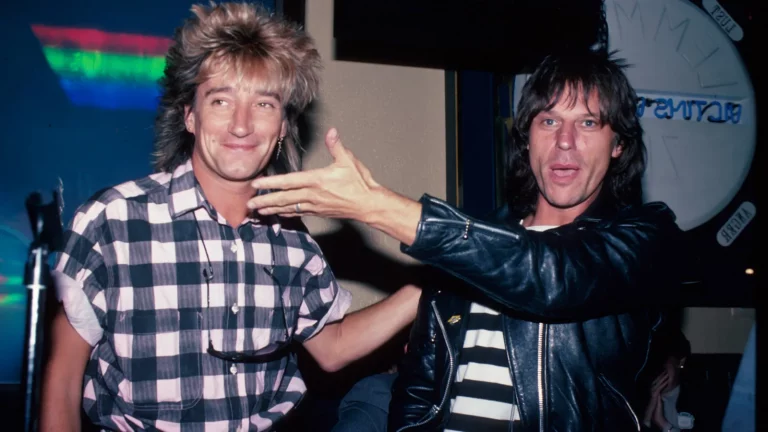
Jeff Beck and Rod Stewart’s rendition of “People Get Ready” is more than a song — it’s a deeply emotional journey. Beck’s guitar doesn’t merely play notes; it speaks the unspoken, each strum a breath of longing and defiance, carrying the weight of untold sorrow and distant dreams.
Rod Stewart’s voice, weathered by time and experience, enters like a trusted companion sharing his heart. It’s far from perfect — it’s raw, unpolished, and full of life’s scars. He doesn’t just sing the words; he lives them, with every note feeling like a prayer from a soul that’s been bruised but still finds hope.
Together, they craft something extraordinary. This isn’t simply music — it’s a dialogue between sorrow and hope, a whisper to the weary that redemption is closer than they think. Beck’s final, soaring guitar lines don’t feel like a conclusion; they feel like a promise — a reminder that even in our darkest moments, faith and music can lead us back home.
Music legends Robert Plant and Donovan shared the stage in a surprise collaboration during the Wexford Spiegeltent Festival in Ireland. The pair delivered a mesmerizing performance of “Season of the Witch,” delighting fans with a rare live duet.
Plant, currently on tour across Ireland and Scotland with his band Saving Grace, has made “Season of the Witch” a staple in his recent setlists. This time, however, the song took on new magic as Donovan himself joined the band, adding an authentic touch to the 1966 classic.
Dave Lewis, editor of Tight But Loose magazine, attended the show and shared his experience on his website. “Robert introduced the legendary Donovan,” he wrote. “With long flowing hair, the sprightly 76-year-old sparred with Suzi Dian on the timelessly brilliant ‘Season of the Witch’—even slipping in a few lines from his 1969 hit ‘Goo Goo Barabajagal.’”
The unexpected duet was a highlight of the evening, showcasing the enduring charisma and musical chemistry between two icons. Plant’s ongoing tour with Saving Grace continues to draw fans eager to witness his exploration of folk and blues traditions—now with a touch of psychedelic nostalgia thanks to Donovan’s guest appearance.